Xuzhou Museum Review
Archaeology Museums · Xuzhou, China. Xuzhou Museum is located in Xuzhou, a city in Jiangsu province, China, with a rich historical and cultural background. As a significant hub in ancient China, Xuzhou has been a key site for the…
Archaeology Museums · Xuzhou, China. Xuzhou Museum is located in Xuzhou, a city in Jiangsu province, China, with a rich historical and cultural background. As a significant hub in ancient China, Xuzhou has been a key site for the…
Best forMuseum lovers, culture travelers, first-time visitors
Review focusCollections, visitor experience, and practical planning
Historical Context
Xuzhou Museum is located in Xuzhou, a city in Jiangsu province, China, with a rich historical and cultural background. As a significant hub in ancient China, Xuzhou has been a key site for the intersection of various dynasties and ethnic groups, notably during the Han dynasty and periods of the Eastern Zhou and Three Kingdoms era. The museum itself was established to preserve and present the archaeological finds and cultural heritage uncovered in this region, reflecting the city’s long history dating back thousands of years.
The museum’s collections have benefited from extensive excavations conducted in and around Xuzhou, especially since the 20th century. These digs have unearthed artifacts that provide insight into early Chinese civilization, including the lifestyles, beliefs, and artistic achievements of ancient peoples. This historical context positions the Xuzhou Museum as a repository not only for local heritage but also for objects of broader national and regional significance in understanding China’s past.
What You See on Arrival
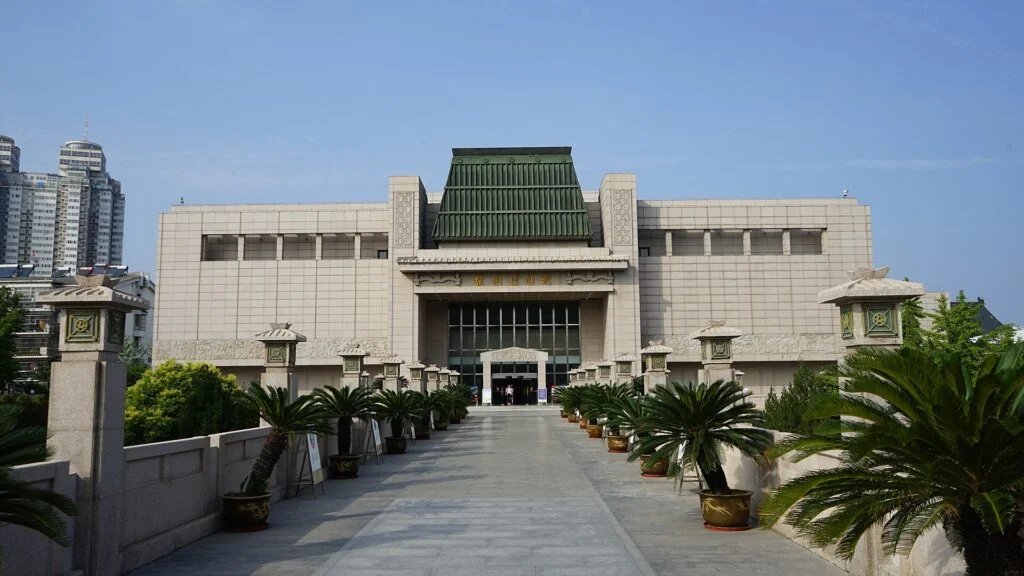
Approaching the Xuzhou Museum, visitors are met with a complex that combines modern architectural design with elements nodding to traditional Chinese aesthetics. The museum’s layout suggests an intention to frame the visitor experience as a journey through time, starting from the city’s earliest settlements to more recent historical developments.
The entrance area sets a tone of cultural depth and archaeological importance. Rather than overwhelming with grandiosity, the museum presents itself with signage and design elements that emphasize scholarship and preservation. The surrounding grounds and external facets of the building reinforce a connection with the local environment and historical landscape, providing a quiet space that anticipates the exhibits inside.
Visitors can expect to encounter clear directional cues and introductory panels outlining the museum’s mission and its regional importance. These front-of-house elements are crafted to situate the visitor in the broader story of Xuzhou before engaging with the more detailed and artifact-focused galleries.
Highlights and Key Exhibitions
The core strength of Xuzhou Museum lies in its extensive archaeological collections, which form the backbone of its permanent exhibitions. Among the most noteworthy themes is the display of Han dynasty relics. This includes funerary objects, ceramics, bronze ware, and jade artifacts, many of which were excavated from local tombs and burial sites. Such items provide valuable insight into the funerary customs, social hierarchy, and artistry of that era.
A particular highlight is the collection related to the Chu Kingdom, which flourished during the Warring States period. Exhibits here include weaponry, chariots, and elaborately decorated bronze vessels. These pieces underscore the military and ritual practices that shaped the region’s history and demonstrate high levels of technical skill and artistic creativity.
The museum also dedicates space to showcasing the cultural exchanges that took place in ancient Xuzhou. Because of its location as a strategic link between northern and southern China, the collection reflects influences from diverse ethnic groups and neighboring states. For instance, some exhibits display artifacts suggestive of trade and contact with non-Han peoples, illustrated with unique pottery types and burial customs.
Beyond the archaeological focus, the museum includes sections devoted to more recent periods, including artifacts from the Han through to the Ming and Qing dynasties. These pieces offer a continuum of material culture, illustrating changes in daily life, governance, and local traditions over centuries.
Several galleries feature large-scale archaeological findings such as model chariots and reconstructed tomb scenes. These displays allow visitors to visualize ancient life in a three-dimensional way that textual descriptions alone cannot provide. The inclusion of explanatory panels and sometimes comparative photographs or drawings aid in understanding the significance of these discoveries.
The museum’s curation tends to be methodical, organized chronologically and thematically, guiding the visitor through Xuzhou’s layered past in a measured fashion. This structure supports both casual visitors and those with a more detailed interest in Chinese archaeology.
Visitor Experience
Xuzhou Museum’s layout and exhibit design are intended to support a contemplative and educational visit. The pacing is generally unhurried, as artifacts are closely grouped by period and theme, encouraging viewers to examine objects in detail. The lighting and display cases are designed to protect delicate materials while making inscriptions and craftsmanship visible.
Signage and interpretative materials predominantly use Chinese, with some bilingual information available in English, particularly for major objects and gallery introductions. Readers should be prepared that explanations might not always be comprehensive or extensive by international museum standards but are adequate for general understanding.
The museum’s focus on archaeological material, rather than interactive or multimedia experiences, suits visitors with a particular interest in history, anthropology, or Chinese culture. Those expecting more technological engagement might find the galleries lean toward traditional display methods. However, this emphasis on direct engagement with physical objects has its own strengths.
For visitors not deeply familiar with Chinese history, the museum offers context through timelines and introductory panels connecting specific objects to larger historical narratives. The exhibition style favors steady learning over rapid consumption, making it well suited to those willing to spend time absorbing the material.
The museum’s arrangement may not prioritize a direct narrative flow for visitors with limited time; deciding which sections to focus on in advance could be helpful. In this sense, the experience benefits those who approach it as a scholarly or cultural visit rather than a quick outing.
Tickets, Access, and Planning
Detailed practical information about ticketing, admission fees, and guided services at Xuzhou Museum is best confirmed through the museum’s official channels prior to planning a visit. While some basic visitor facilities are presumed to be available, specifics such as opening hours, visitor capacity limits, and temporary closures can vary and should be checked.
Xuzhou city itself is accessible via multiple transport options, including rail and road connections. Visitors should verify how close public transit or parking facilities are in relation to the museum. Understanding local infrastructure can help avoid logistical challenges.
In terms of accessibility, available data does not specify the museum’s accommodations for visitors with disabilities. Those requiring assistance or specific access provisions are advised to consult the museum directly or through official resources before arrival.
Final Verdict
Xuzhou Museum stands out as a thoughtful institution focused on the rich archaeological heritage of Xuzhou and the surrounding region. Its strength lies in the depth and quality of its collections, particularly the detailed presentation of artifacts from the Han dynasty and related historical periods. This makes it a valuable resource for anyone interested in ancient Chinese history, material culture, and the development of regional identity.
The museum’s approach favors a steady, object-based exploration rather than high-tech, participatory experiences, which may limit its appeal for some casual visitors but deepens its value for students, researchers, and informed tourists. Interpretive materials provide helpful context, though they may not always reach the level of explanatory depth expected in larger national institutions.
Planning ahead is advisable to accommodate potential limitations in visitor services and to align a visit with current opening conditions. The Xuzhou Museum’s balance of archaeological richness and carefully curated exhibitions offers a significant perspective on China’s past, especially for those with a specific interest in the history of this provincial city and its ancient cultural landscape. It provides a solid, well-organized presentation of local history that connects to wider patterns in Chinese civilization without overreach or exaggeration.