Xuzhou Museum
Archaeology Museums · Xuzhou, China. The Xuzhou Museum, located in the city of Xuzhou in eastern China’s Jiangsu Province, serves as a significant regional institution for archaeology and local history. It is often categorized as an archaeological and local…
Best forMuseum lovers, culture travelers, first-time visitors
Setting / nearbyXuzhou, China
Overview
The Xuzhou Museum, located in the city of Xuzhou in eastern China’s Jiangsu Province, serves as a significant regional institution for archaeology and local history. It is often categorized as an archaeological and local history museum, focusing on the rich cultural heritage of Xuzhou and its surroundings. The museum aims to document and display artifacts that reflect the area’s long-standing human presence and historical importance, particularly from periods spanning the Neolithic era through major dynasties such as the Han. This focus aligns with Xuzhou’s historical status as a crossroads of ancient Chinese civilization and a hub of cultural exchange.
This institution offers visitors the opportunity to observe how the development of this region played a role in broader Chinese history. With collections deeply rooted in archaeology, the museum attracts those interested in the material culture uncovered during excavations in and around Xuzhou. It also provides context for local historical narratives that are connected to the larger story of Chinese political and cultural development.
Collection Highlights
The Xuzhou Museum’s collection is notable for its extensive archaeological finds, many of which came from local excavation sites. A substantial portion of the exhibits centers on artifacts from the Han Dynasty, as the city was once the capital of the ancient Chu Kingdom and an important seat during Han times. This includes pottery, bronzes, jade objects, and tools that illuminate daily life, funerary practices, and artisanal skills of the past.
Visitors can expect to see well-preserved relics from tomb sites that provide insights into early state formation and the region's social structure. One highlight often referenced in discussions about the museum is the display of Han Dynasty burial goods, which illustrate funerary customs as well as the symbolic and aesthetic qualities of that era’s material culture.
In addition to Han artifacts, the museum features archaeological material representing earlier periods, such as the Neolithic Longshan culture, which is significant for its early developments in agriculture and settlement patterns. Stone tools, pottery, and other implements from prehistoric contexts offer a more chronological perspective on human habitation and technological progress in the region.
Though primarily focused on archaeology, the museum also presents items related to Xuzhou’s role in subsequent historical phases, such as the Six Dynasties period and beyond. Sculptures, ceramics, calligraphic relics, and inscriptions appear in varying quantities, providing a layered historical sampling rather than an exhaustive survey of Chinese art history.
Building and Setting
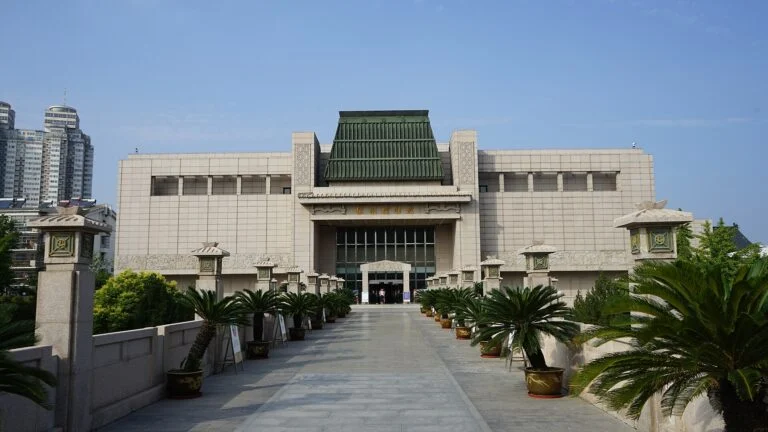
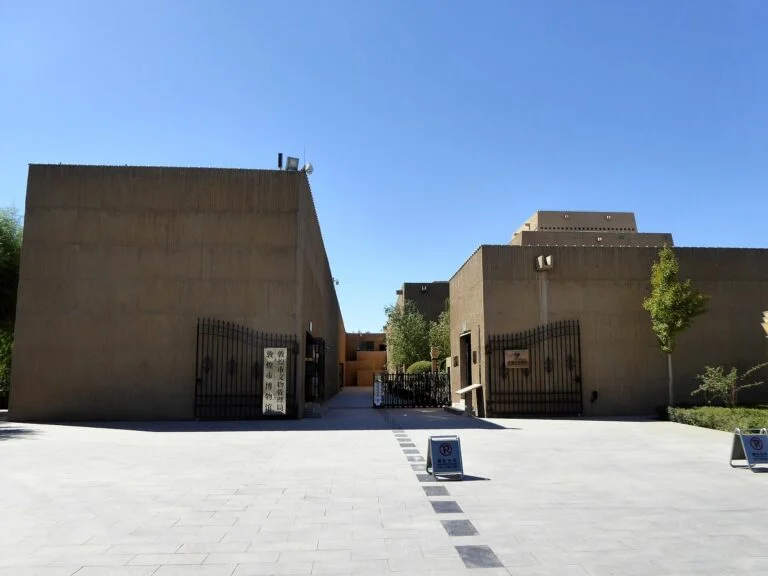
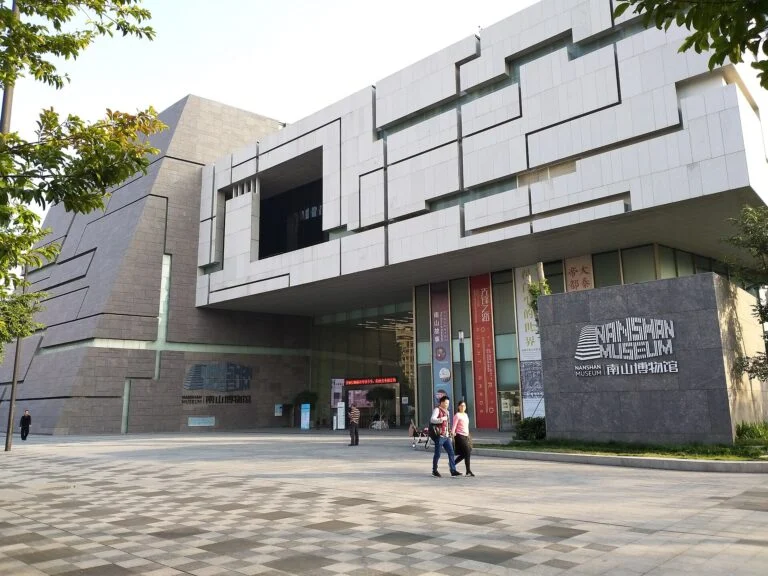
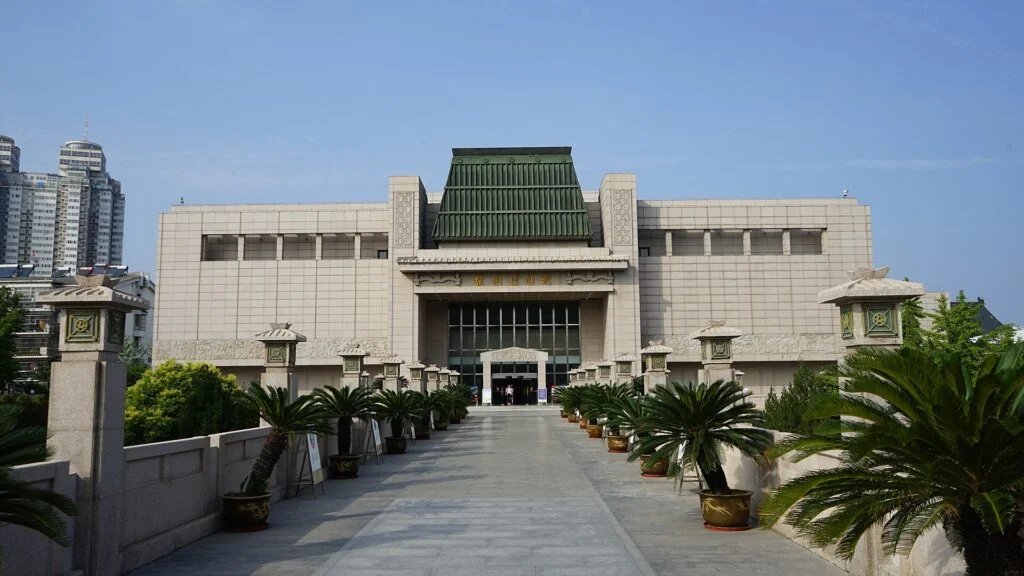
Situated within the city of Xuzhou, the museum’s location reflects its connection to the area's archaeological sites and cultural landscape. The setting itself is appropriate for a museum dedicated to regional history, allowing visitors to connect nearby urban development with the deep past showcased inside.
The building design and layout typically contribute to how the collection is experienced, often including galleries arranged thematically or chronologically to guide visitors through the region’s history. Although detailed architectural descriptions are not widely highlighted in available sources, the museum premises are presumed to cater to the exhibition of delicate archaeological items with controlled environments suitable for preservation.
Because the museum emphasises local discoveries, the spatial relationship between the institution and the city it represents can enhance a visit by providing physical context. The museum sometimes serves as a resource for those interested in the archaeological sites around Xuzhou, which visitors can explore separately if they wish to extend their understanding of the area’s past beyond the museum walls.
Practical Information
Before planning a visit to the Xuzhou Museum, prospective visitors should verify current practical details through official channels. This includes checking the museum’s official website or contacting local tourism offices regarding opening hours, admission fees, and any special arrangements for tours or educational programs. Practical aspects such as parking, signage in languages other than Chinese, and accessibility accommodations are likewise best confirmed beforehand, as specific information might not be consistently available or may vary.
Potential visitors should be aware that, like many museums focusing on archaeological material, the Xuzhou Museum might have strict rules about photography or the handling of exhibits. Additionally, quiet reflection is commonly encouraged due to the nature of the artifacts and the format of display. Since the museum has an academic and regional focus, general tourist services such as extensive cafes or large gift shops might be modest.
Why Visit
Choosing to include the Xuzhou Museum in a travel itinerary or study plan offers a chance to better understand an area of China with deep archaeological roots and historical significance that may not be as familiar to international audiences as other Chinese cultural centers. It complements visits to better-known cultural sites by focusing on a distinct locality’s contributions to the development of early Chinese civilization.
The museum’s collection highlights the Han Dynasty’s influence in ways that underline Xuzhou’s political and cultural weight during that era. For those interested in ancient burial customs, state formation, or early technologies, the artifacts provide a tangible link to the past that goes beyond narrative history alone.
At the same time, this museum may not suit visitors looking for comprehensive overviews of Chinese art history or contemporary cultural presentations. Its concentration on archaeological and historical objects necessitates a degree of interest in those subjects to fully appreciate the exhibits.
Overall, the Xuzhou Museum is a valuable resource for those wanting a focused view of archaeological work in a specific part of China and those interested in the artifacts that shaped the historical identity of Jiangsu Province. It offers solid educational value within its thematic scope and is an informative stop for anyone keen on exploring Chinese history through local discoveries rather than broad national collections.
In conclusion, the Xuzhou Museum stands as an institution dedicated to preserving and explaining the material culture of a historically rich city with archaeological significance. It functions well as a specialized museum that appeals to history enthusiasts, researchers, and visitors open to discovering lesser-known facets of China’s past. For accurate and updated visitor information, checking the museum’s official website is advisable.