National Museum Bangkok Review
Bangkok, Thailand. National Museum Bangkok stands out as a pivotal institution for anyone aiming to understand the art and history of Thailand in depth and context. Unlike museums that might scatter regional artifacts or historical objects…
Bangkok, Thailand. National Museum Bangkok stands out as a pivotal institution for anyone aiming to understand the art and history of Thailand in depth and context. Unlike museums that might scatter regional artifacts or historical objects…
Best forMuseum lovers, culture travelers, first-time visitors
Review focusCollections, visitor experience, and practical planning
Why This Museum Matters
National Museum Bangkok stands out as a pivotal institution for anyone aiming to understand the art and history of Thailand in depth and context. Unlike museums that might scatter regional artifacts or historical objects across disparate locations or a broad thematic canvas, this museum consolidates the narrative of the Thai nation through material culture and art. It does not simply serve as a repository of antiquities; rather, it brings Thai identity, monarchy, religion, and everyday life into sharp focus through its collection. This focus gives the museum a distinct national gravitas: it traces a coherent story not merely about artifacts, but about the development of Thai society and its values through centuries.
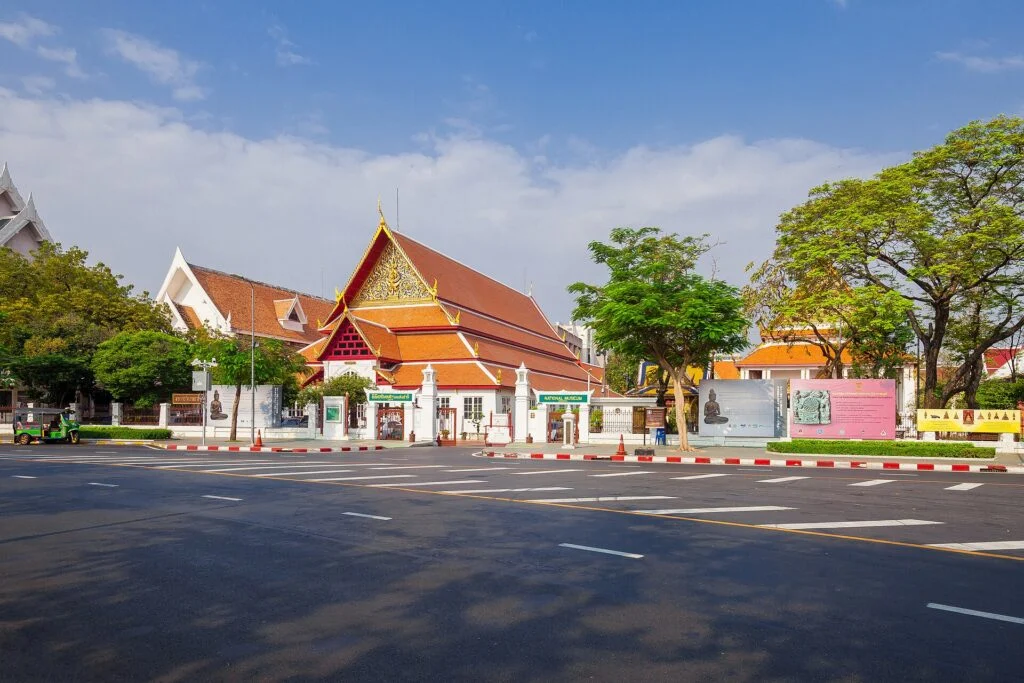
By positioning itself squarely within the historical heart of Bangkok and housing many of its collections in buildings that are themselves significant—former palaces and government offices—the museum underscores its role as a custodian of the Thai state’s heritage. The linkage between the material on display and the historical authority of its setting heightens the sense that it is a space where the nation’s past is actively curated and presented to the public. It matters because it assembles, preserves, and interprets objects that otherwise could remain fragmented or inaccessible, creating a structured narrative of Thailand’s cultural and political evolution.
The Collection in Focus
The museum’s collection revolves around Thai history and art spanning several key periods, with objects dating from prehistoric times through the Ayutthaya and Rattanakosin eras, and even into the contemporary period. A substantial portion of the collection relates to Buddhist art, which reflects the religion’s central role in Thai culture. The display of Buddha images, each stylistically connected to different dynasties or regions, offers tangible evidence of stylistic and devotional shifts over centuries.
The museum’s holdings extend beyond religious objects to include ceramics, weapons, royal regalia, traditional costumes, and even early European-influenced paintings linked to court life. The strength here lies in the breadth of objects that illuminate the daily, spiritual, and political lives of Thai people. The ceramics collection, for instance, includes pieces that reveal past trade routes or aesthetic tastes, connecting Thai history to regional and global contexts.
Noteworthy is the presentation of artifacts from the Ramakien, Thailand’s national epic derived from the Indian Ramayana, which is both a literary and visual theme deeply embedded in Thai arts. The display of related murals, manuscripts, and traditional puppets or masks demonstrates the enduring narrative influence of such tales in Thai culture.
While the museum’s concentration is national, the collection also places Thai art within a broader Southeast Asian framework, with neighboring objects from Cambodia, Laos, and Burma helping to highlight cross-cultural influences and distinctions. However, the Asian art component tends to be smaller in scale and secondary to the core Thai focus.
How the Story Is Told
The historical narrative unfolds across galleries grouped largely in chronological order. This linear approach helps visitors track changes in style, function, and political power over time without confusion. The selection of objects is largely guided by their national historical significance, meaning the story privileges themes of monarchy, religion, and state formation. For instance, the transition from Ayutthaya’s ancient kingdom to the more modern Rattanakosin era is marked by artifacts that reflect political centralization as well as artistic shifts.
Explanatory panels and object labels provide historical context and sometimes cultural interpretation, although the amount of text varies. Some labels connect artifacts to broader historical events or societal practices, aiding understanding beyond object-based description. Nevertheless, the interpretation generally assumes some prior interest or basic knowledge of Thai history or Buddhism, which can be daunting to absolute beginners unfamiliar with these subjects.
The museum’s setting in former royal buildings contributes to the interpretive framework, especially in galleries dedicated to kings and queens or royal ceremonies, where the physical spaces enhance comprehension of power and prestige. Occasionally, this closeness to official narrative risks an overemphasis on royal and elite culture at the expense of ordinary people’s stories, but the range of materials does extend somewhat to folk arts and popular traditions, avoiding an exclusively top-down picture.
The Visitor Experience
Visitors can expect a traditional museum layout, focused on object display with supporting text panels and some multimedia elements. The extensive use of period architecture gives the museum a certain atmosphere of historical weight and formality. This works well for those interested in history from a cultural or political angle but might feel dry or conventional for visitors more keen on interactive, experimental, or highly thematic design.
Interpretation is solid in factual terms but has been known not to engage with more critical or alternative perspectives on Thai history, such as colonial encounters or the dynamics of cultural change outside of elite narratives. This conservative approach may disappoint those looking for a more nuanced or challenging read of the past.
While the museum houses many objects, it is not set up as a timed or guided experience by default, so visitors move at their own pace. Visitors unfamiliar with Thai social or religious concepts may struggle somewhat with the significance or function of certain artifacts without external guidance or prior study.
The physical condition and maintenance of the museum and its collections receive positive remarks in secondary reports, with clean environments and good display cases. However, some areas show inevitable signs of wear given the historical buildings and volume of visiting public. Readers should check the museum website in advance for the latest information on access, services, and any required booking arrangements.
Who Will Enjoy It Most
Anyone with an interest in Thai culture, history, religion, or art would find this museum highly relevant. Scholars or students focused on Southeast Asian studies will appreciate the depth and official stature of the collection as a basic reference point. Devotees of Buddhist art and iconography will find especially rich material here, given the varied examples of religious sculpture and ritual objects.
The museum’s concentration on monarchy and the nation will also appeal to readers wanting to understand how Thailand has shaped and seen itself historically. Folk arts appear but are not the dominant theme, so those seeking an anthropology-focused or ethnographic approach should be aware that this museum frames such artifacts more in relation to the dominant culture than as standalone subjects.
Tourists aiming for a general introduction to Thai history will find this museum useful as a baseline but should be prepared for a traditional presentation style that relies on reading and some background knowledge. Families or casual visitors who prefer interactive or lively exhibits may find parts of the museum slow or dense. The museum does not prioritize hands-on or multimedia interpretation, which limits certain types of engagement.
Planning the Visit
The museum sits near Bangkok’s historic district, simplifying logistical arrangements for those who want to explore multiple nearby sites. Access from public transport and proximity to other cultural landmarks help consolidate a day in the area.
Since detailed, current information about opening hours, entrance fees, tours, discounts, and accessibility are not stated here, prospective visitors should consult official channels for the latest updates. It is reasonable to expect a midrange admission fee common to national museums in Thailand. Booking requirements or group visit arrangements are best clarified on the museum’s website before arrival.
Visitors should allow at least a couple of hours to see the main galleries without rushing. Given the textual density and focus on historical context, those with limited time might select specific sections related to their interests rather than attempting to cover everything in one visit.
Editorial Verdict
National Museum Bangkok carries considerable weight as a custodian of Thai cultural and historical artifacts and narratives. Its strength lies in the comprehensive range of objects that construct a specifically Thai story, articulated through courtly, religious, and national lenses. The museum refuses to dilute this narrative with an equally sized focus on other themes or regions, preferring instead to deepen knowledge in selected areas. That makes it a valuable resource for those who want to study Thailand’s development as a distinct cultural and historical entity.
However, this focus comes with limitations. The presentation style is traditional and factual, not probing contested histories or offering interpretive innovations that challenge visitors’ assumptions. The museum is not a broad ethnographic or cultural studies institution but rather a focused historical collection centered on dominant narratives. Visitors without some grounding in Southeast Asian history or Buddhism may find parts of the story elusive.
The museum’s physical setting in former royal buildings lends the collection an undeniable gravity and historical authenticity but also reinforces an official tone that might feel formal or distant. Its role is more to inform and affirm national heritage than to provoke or entertain through modern museological methods.
For those seeking depth in Thai history and art, especially Buddhist sculpture and royal artifacts, it remains an essential reference. For casual browsing or interactive exploration, other venues might better meet those needs. National Museum Bangkok does exactly what it sets out to do, with a confident focus that helps maintain the coherence of the Thai historical narrative at the heart of its mission.