Viking Ship Museum Roskilde Review
Maritime Archaeology · Roskilde, Denmark Wood Before Myth The Viking Ship Museum does not open with legend. It opens with timber. Inside the central.
Maritime Archaeology · Roskilde, Denmark Wood Before Myth The Viking Ship Museum does not open with legend. It opens with timber. Inside the central.
Best forMaritime history, ships, harbour heritage
Review focusCollection, setting, visitor experience
Historical Context
The Viking Ship Museum in Roskilde is rooted in one of Denmark’s most important archaeological discoveries. In 1962, five Viking ships were excavated from the Roskilde Fjord, where they had been deliberately sunk around the 11th century to block a navigational channel and protect the city from seaborne attack. These ships, now known as the Skuldelev ships, form the foundation of the museum’s collection and provide direct insight into Viking maritime technology, trade, and warfare.
The Vikings were not only raiders but also skilled shipbuilders and navigators. Their ships enabled long-distance travel across open seas and rivers, connecting Scandinavia to the British Isles, continental Europe, and even as far as North America. The vessels discovered in Roskilde represent different ship types, including warships, cargo vessels, and coastal boats, illustrating the versatility of Viking ship design.
The museum opened in 1969 and has since developed into a center for maritime archaeology and experimental archaeology. Reconstruction projects, where full-scale Viking ships are built using traditional methods, play a key role in understanding how these vessels were originally constructed and used.
Today, the museum combines historical artifacts with hands-on activities and research, offering a comprehensive view of Viking seafaring culture.
What You See on Arrival
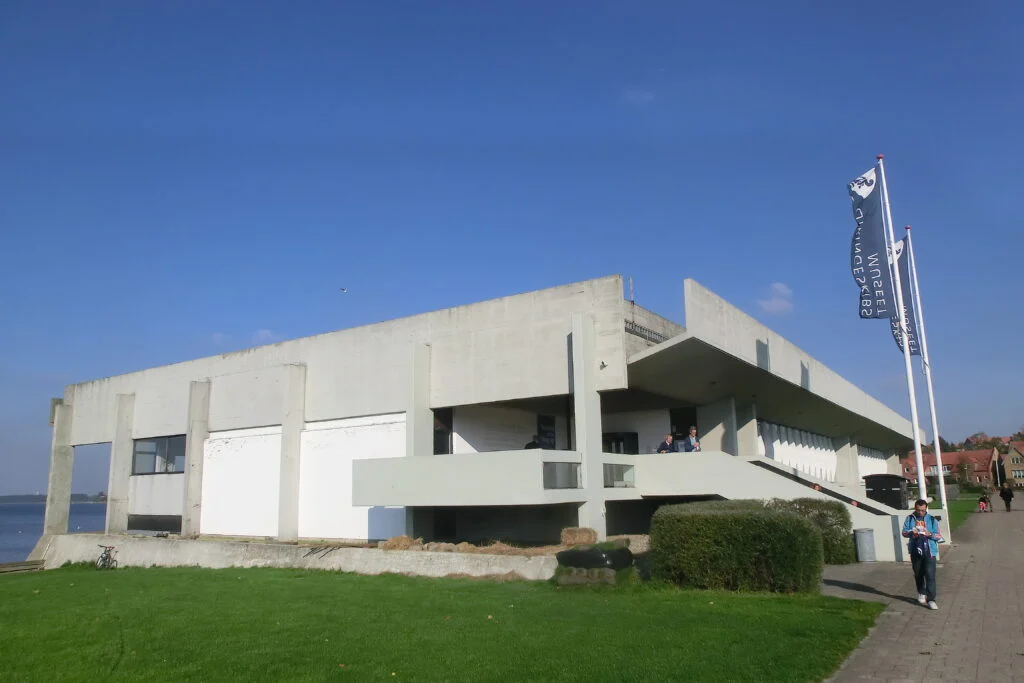
Arriving at the Viking Ship Museum in Roskilde, the setting immediately establishes a strong connection to the sea. Located directly on the fjord, the museum’s modern glass-fronted building allows natural light to fill the exhibition spaces while offering views of the water beyond.
The first impression is both open and atmospheric. The main hall houses the original Viking ships, displayed in a way that emphasizes their scale and craftsmanship. The skeletal remains of the vessels are mounted against the backdrop of the fjord, creating a powerful visual link between the ships and the environment in which they once sailed.
The layout is clear and intuitive. Visitors are guided through the main exhibition space before moving into additional galleries and outdoor areas. The museum extends beyond the indoor displays, with workshops, boatyards, and harbor spaces forming an integral part of the experience.
The atmosphere is calm but engaging. Unlike more crowded urban museums, the setting allows for a slower pace, encouraging visitors to observe details and take in the broader context of Viking maritime life.
Highlights and Key Exhibitions
The central highlight of the museum is the display of the five original Skuldelev ships. Each vessel tells a different story. Some were built for warfare, long and narrow for speed and maneuverability, while others were designed for transporting goods across long distances. The preservation of these ships allows visitors to see construction techniques up close, including the use of overlapping planks and iron rivets.
Another major feature is the reconstruction of Viking ships in the museum’s boatyard. These full-scale replicas are built using traditional tools and materials, providing valuable insights into the skills required to construct seaworthy vessels. Some of these ships are launched and sailed, demonstrating their capabilities in real conditions.
The museum also offers interactive exhibits that explain navigation, shipbuilding, and daily life at sea. These displays help contextualize the ships within the broader framework of Viking society.
Outdoor activities are a key part of the experience. Visitors can see craftsmen at work, watch boats being constructed, and, in some cases, participate in sailing experiences on reconstructed vessels. This hands-on approach distinguishes the museum from more static institutions.
Temporary exhibitions and educational programs further expand the scope of the museum, often focusing on specific aspects of maritime history or archaeological research.
Visitor Experience
The visitor experience at the Viking Ship Museum is both educational and immersive. The combination of indoor exhibitions and outdoor activities creates a varied and engaging visit.
Pacing is flexible. Visitors can spend time studying the ships in detail or move more quickly through the galleries before heading outside. The transition between indoor and outdoor spaces adds variety and prevents fatigue.
Signage is clear and informative, providing context without overwhelming the visitor. Information is presented in multiple formats, including text, models, and interactive displays, making it accessible to a wide audience.
Crowds can vary depending on the season, but the spacious layout and outdoor areas help distribute visitors effectively. Even during busier periods, it is possible to find quieter areas within the museum.
The atmosphere is particularly appealing for families and visitors interested in hands-on learning. The opportunity to see and experience Viking ships in action adds a dynamic element that goes beyond traditional museum displays.
Tickets, Access, and Planning
The Viking Ship Museum is located in Roskilde, approximately 30 minutes from Copenhagen, and is easily accessible by train, car, or bus. Its waterfront location makes it a prominent and well-signposted destination.
Visitors should allow at least two to three hours to fully explore both the indoor exhibitions and the outdoor areas. Additional time may be needed for those who wish to participate in activities such as sailing or workshops.
Tickets can be purchased on-site or in advance. Seasonal variations may affect opening hours and available activities, so checking current information before visiting is recommended.
Facilities include a café, shop, and rest areas, making it suitable for longer visits. The outdoor nature of part of the museum means that weather conditions can influence the experience, so planning accordingly is advisable.
Final Verdict
The Viking Ship Museum in Roskilde offers a compelling and well-rounded exploration of Viking maritime culture. By combining original artifacts with reconstruction, experimentation, and hands-on activities, it provides a deeper understanding of how Viking ships were built and used.
Who should visit? This museum is ideal for visitors interested in history, archaeology, and maritime culture. It is particularly well suited to families and those who enjoy interactive and outdoor experiences.
Why visit? Because it brings Viking history to life in a way that is both informative and engaging. The opportunity to see original ships, observe traditional craftsmanship, and experience the maritime environment makes it one of Denmark’s most distinctive museum experiences.