Ulster Museum Review
Belfast, United Kingdom. The Ulster Museum in Belfast serves as one of Northern Ireland’s principal cultural institutions. Established in the early 20th century as part of the broader movement to preserve and showcase the region’s art, history,…
Belfast, United Kingdom. The Ulster Museum in Belfast serves as one of Northern Ireland’s principal cultural institutions. Established in the early 20th century as part of the broader movement to preserve and showcase the region’s art, history,…
Best forMuseum lovers, culture travelers, first-time visitors
Review focusCollections, visitor experience, and practical planning
Historical Context
The Ulster Museum in Belfast serves as one of Northern Ireland’s principal cultural institutions. Established in the early 20th century as part of the broader movement to preserve and showcase the region’s art, history, and natural heritage, it has evolved significantly over time. Originally housed in smaller premises, the museum moved to its current site in Botanic Gardens in the early 1970s, a period marked by political and social turbulence in Northern Ireland. This context shaped the museum’s development, reflecting a commitment to foster a sense of shared heritage in a divided society. Funded and managed by the National Museums Northern Ireland, the Ulster Museum was part of a wave of institution-building designed to modernize collections and public engagement.
The architectural transition to the current building, which blends modernist design with functional exhibition spaces, allowed the museum to expand its remit. Its collections cover an extensive range from art and archaeology to natural sciences and ethnography. Across decades, the museum’s role has been multifaceted—educating local residents while also appealing to tourists interested in the distinct cultural narratives of Belfast and Ulster at large. As a repository of Northern Irish identity, the Ulster Museum straddles regional specificity and broader British and European contexts. Its curatorial efforts reflect these layered histories and a commitment to presenting diverse perspectives from the region’s complex past.
What You See on Arrival
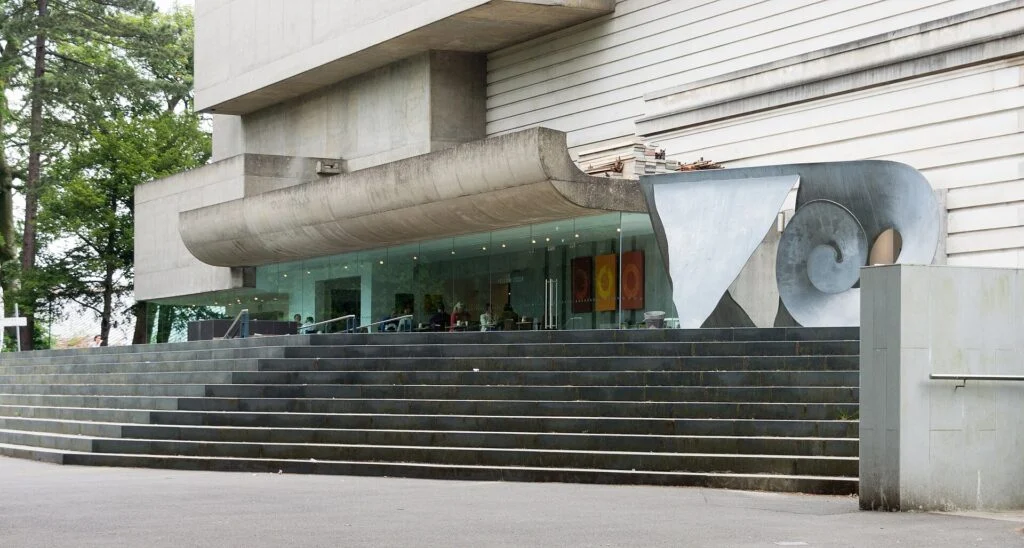
Upon approaching the Ulster Museum, visitors are met by a building that stands apart from Belfast’s Victorian and Edwardian surroundings, notable for its 1970s Brutalist architecture. The exterior can appear, depending on one’s taste, somewhat stark and institutional. This aesthetic signals a functional focus suited more to the display of collections than decorative frontispieces. The entrance faces the lush greenery of Botanic Gardens, offering a quieter urban setting that immediately contrasts with the busy city centre just beyond. This positioning creates a small buffer, preparing visitors for a transition into a space dedicated to reflection and learning.
Inside, the museum is open and spacious with a layout that encourages visitors to move through different domains of knowledge. The entry level presents general orientation with information desks and introductory displays. Museum branding is clear but understated, emphasizing its institutional authority rather than overt marketing. Signage prioritizes clarity over flourish, helping to guide visitors efficiently without disorienting them. The initial impression is that this is a museum that invites serious engagement with content rather than distraction by gimmicks. It is a place where diverse collections come together under one roof, with the visitor’s experience shaped by the museum’s role as a comprehensive resource on the natural world, local history, and art.
Highlights and Key Exhibitions
The Ulster Museum’s collection covers several fields, making it a composite cultural and natural history institution. The archaeology section includes significant finds from Northern Ireland’s prehistoric and early medieval periods. Stone Age and Bronze Age artefacts, including tools and ceremonial objects, articulate the region’s early human activity. The display of the Iron Age wheel from the nearby Lough Lene and evidence of ancient settlement provides a tangible link to local heritage. Of particular note is the early medieval metalwork, such as intricately decorated brooches, which reflect craftsmanship known across Britain and Ireland.
The natural sciences collection is one of the museum’s cornerstones. It offers a comprehensive look at regional biodiversity and geology, with specimens ranging from local flora and fauna to rare fossil collections. This section includes taxidermy exhibits and detailed dioramas, which help contextualize Northern Ireland’s environmental history. Visitors interested in the evolution of life and ecological shifts will find this resource informative, though the presentation tends toward traditional display styles rather than contemporary multimedia interpretation.
Artworks within the Ulster Museum represent both local and wider British art histories. The modern and contemporary art collection includes paintings, prints, and sculpture by Northern Irish artists alongside key works from the British Isles. While the museum’s emphasis is not exclusively on celebrated names, it provides a useful overview of regional artistic developments, including the Troubles’ influence on northern artistic expression. The art section also addresses 19th-century European painting, featuring landscapes and portraiture that situate Belfast within broader cultural currents.
Ethnographic and decorative arts collections convey Northern Ireland’s historic connections to global trade and empire. Crafts, textiles, ceramics, and glass reflect imported as well as locally made items, with some collections tracing patterns of migration and cultural exchange. Although smaller in scale compared to other departments, this section adds color and variety to the overall museum narrative.
The museum's strong point lies in combining these diverse collections in a way that underscores both unique regional identity and participation in wider historical and natural processes. The displays are generally well-organized, clearly labeled, and supported by written explanations designed to aid understanding without overwhelming visitors with specialist jargon. Where the museum does not feature extensive interactive or digital components, it compensates by presenting objects that engage through materiality and provenance.
Visitor Experience
The Ulster Museum’s configuration allows visitors to browse through domains flexibly, making it suitable for varied interests — from children and families to academics and casual observers. The experience tends toward slow, focused study rather than rapid walkthroughs. Spatially, the museum is straightforward, with exhibits arranged primarily by discipline but encouraging cross-connections. The atmosphere caters well to those seeking concentration and reflection. However, for visitors expecting high-tech interactivity, soundscapes, or large-scale immersive installations, the museum’s offerings might feel somewhat traditional.
Interpretative materials are solid, providing context through text panels and occasional multimedia elements. The tone is informative and measured, avoiding sensationalism or political entanglement. Given Northern Ireland’s complex history, the museum notably treats sensitive material with care, promoting understanding without overt partisanship. This approach may sometimes feel cautious or neutral, but it enhances the educational purpose by foregrounding evidence.
The museum generally accommodates a wide demographic but might demand more attention from younger children or those less familiar with museum conventions. The clear signage helps orientation, but the labyrinthine nature of parts of the building and the intersection of varied collections may require some patience. Appreciators of natural history, archaeology, and fine art find plenty to engage with, though visitors seeking highly curated, narrative-led exhibitions might find the experience more segmented.
Tickets, Access, and Planning
Information about tickets, opening hours, and visitor services should be confirmed directly from the official Ulster Museum website. Admission policies may vary, and updates regarding accessibility, booking, or available guided tours are best verified through the museum’s own communications. While the museum is located near Belfast city centre and accessible through public transportation, visitors should plan journeys accordingly. The grounds of Botanic Gardens offer a pleasant approach, but parking and peak-time congestion may be factors to consider.
The Ulster Museum’s facilities aim to comply with contemporary standards, though specific details on wheelchair access, facilities for sensory impairments, or family amenities should be checked individually to ensure they meet personal needs. Given the museum’s layered content and relatively extensive footprint, visitors might want to allocate time for a paced visit that balances their areas of interest.
Final Verdict
The Ulster Museum stands out as a substantial public institution that reflects Northern Ireland’s cultural, historical, and natural wealth. It is not a single-theme gallery or a site focused on blockbuster exhibitions but a multifaceted repository whose strength lies in breadth and curated coherence. Its holdings allow an exploration of topics from prehistoric archaeology to modern art, natural history, and ethnography, framed within a region with a distinctive social and political backdrop.
Its presentation is steady, clear, and respectful, supporting an engaged but low-key visitor experience. The museum is well-suited to those with patience and curiosity, including students, local residents, and visitors seeking foundational knowledge about Ulster and its surroundings. However, it does not cater as strongly to those looking for dynamic or interactive spectacle or fast-paced entertainment. Its architectural style and layout might challenge some visitors’ expectations for a modern museum environment, but those prepared for a more traditional museum encounter will find rich content to explore.
As with many institutions of its type, a visitor’s satisfaction depends partly on personal interests and preferences. The Ulster Museum offers substantial collections worthy of study and reflection, presented in a manner that encourages understanding grounded in objects and research rather than theatricality. For travelers and locals alike, it remains a key stop for appreciating Northern Ireland’s heritage from multiple angles, with a scope and scale reflecting the complexities of its community and history.