National Art Gallery of The Bahamas Review
Art Museums · Nassau, Bahamas. The National Art Gallery of The Bahamas, situated in Nassau, serves as a crucial cultural institution in a nation where visual arts are deeply intertwined with its history, identity, and multicultural heritage. Established with…
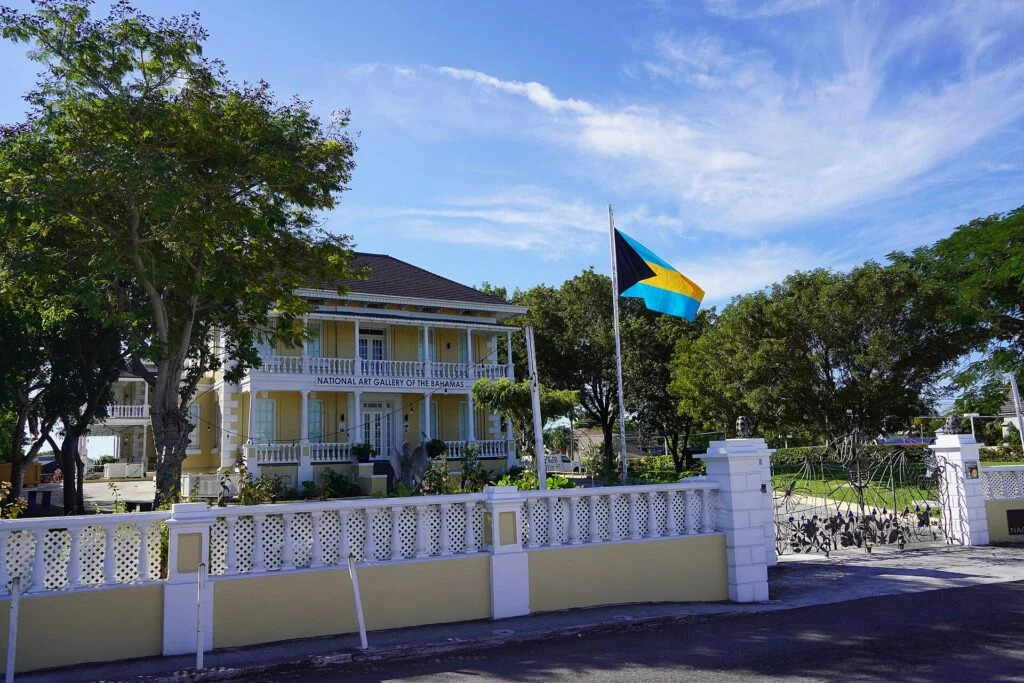
Art Museums · Nassau, Bahamas. The National Art Gallery of The Bahamas, situated in Nassau, serves as a crucial cultural institution in a nation where visual arts are deeply intertwined with its history, identity, and multicultural heritage. Established with…
Best forArt lovers, visual culture, architecture
Review focusCollections, curatorial focus, and visitor planning
Context and Identity
The National Art Gallery of The Bahamas, situated in Nassau, serves as a crucial cultural institution in a nation where visual arts are deeply intertwined with its history, identity, and multicultural heritage. Established with the aim of preserving and promoting Bahamian art, the gallery has evolved to represent not only the work of individual Bahamian artists but also the changing social and political realities of the islands. Its role extends beyond that of a mere repository; it is a space where local narratives, Caribbean aesthetics, and diasporic connections converge.
This gallery reflects the vision of constructing a national identity through art. The Bahamas’ unique blend of African, European, and indigenous influences emerges distinctly in the styles, themes, and media represented. Against a backdrop of post-colonial cultural assertion, the institution acts as a focal point for Bahamian artistic dialogue, highlighting themes such as landscape, community, folklore, and contemporary social issues. For visitors interested in Caribbean cultural production or island histories, this contextual grounding is fundamental.
Inside the Collection
The core strength of the National Art Gallery lies in its collection, which spans historical and modern works crafted by Bahamian artists from the 20th century to the present. Visitors should expect to see a varied mix of painting, sculpture, photography, and installation art. Early works often engage with colonial legacies and depict everyday life in The Bahamas through a prism of documentary realism and folk traditions. Modern and contemporary pieces tend to explore themes of identity, migration, and globalization, reflecting the dynamics of the broader Caribbean region.
Among the collection, one finds substantial representation of artists who have been instrumental in defining Bahamian art. Paintings that capture the vivid landscapes and seascapes evoke a strong sense of place, while portraiture and figurative works frequently explore questions of race, gender, and community. The collection also includes works that employ experimental approaches, including mixed media and printmaking, demonstrating the gallery’s commitment to embracing evolving art practices.
While the collection offers a comprehensive look at Bahamian art, some visitors may note a relative scarcity of internationally recognized names when compared with larger regional institutions. However, this reflects a deliberate focus on nation-building and celebration of local artistry. For those interested in tracing artistic developments in The Bahamas specifically, the collection remains unmatched in its breadth and depth.
Architecture and Display
Housed within a building that merges historical character with functionality, the gallery’s physical space helps set the tone for the visitor experience. The architectural design balances the need for adequate light, climate control, and wall space for works on paper and canvas, while allowing natural light to enhance certain exhibition areas. This creates a calm atmosphere conducive to close visual engagement.
The exhibition layout typically follows a thematic or chronological sequence, with interpretive panels that provide useful context without overwhelming the viewer. The display strategies emphasize clarity, giving the art room to breathe rather than overcrowding. This is advantageous for appreciating details in more delicate or complex pieces.
Occasionally, the lighting can feel uneven in parts of the gallery, particularly in interiors with less natural illumination. This does not severely detract from the experience but may affect how some colors and textures are perceived. The spatial arrangement is generally straightforward, promoting an accessible flow between rooms while enabling visitors to engage with focal points in each gallery. Signage is clear, although a stronger graphic design cohesion might improve the overall navigation and visual identity.
For Families, Specialists, and First-Time Visitors
The National Art Gallery offers a different appeal depending on the visitor’s background and interests. Families with children will find spaces that allow for exploration, but the venue is not specifically geared for very young or restless visitors. Educational programs and workshops, which the gallery hosts periodically, enrich its family orientation, though checking the official website is necessary for up-to-date information.
Specialists and art historians will appreciate the gallery’s focused collection of Bahamian works and its active role in local art scholarship. Research facilities, such as archives or artist files, may be limited compared to larger metropolitan institutions but are valuable for regional studies. The curatorial approach tends to foreground national artistic narratives rather than global art history, which specialists will find both a strength in terms of depth and a boundary in terms of scope.
First-time visitors to The Bahamas or to Caribbean art will find the gallery accessible and informative, with enough interpretive resources to situate the works within cultural and historical frameworks. However, a basic familiarity with Bahamian history or Caribbean art could enhance appreciation, as some pieces engage with nuanced social issues or artistic references that assume prior knowledge.
What Works Best
One of the standout features of the National Art Gallery of The Bahamas is its commitment to prioritizing voices and themes central to Bahamian identity. The collection shines in its ability to represent diverse artistic expressions — from realism to abstraction — demonstrating the evolution of local art over decades. The presentation style generally allows visitors clear visual and intellectual access to the works without heavy-handed interpretation.
The gallery manages to be serene rather than theatrical, permitting contemplation of artworks without sensory overload. This suits those who prefer a quiet, thoughtful museum environment rather than a highly interactive or multimedia-heavy experience. Certain thematic exhibitions or permanent displays show a mature curatorial hand that supports narrative coherence without reducing works to mere illustration.
Conversely, the gallery’s modest scale and predominantly national focus align it more with regional specialists or culturally minded visitors than those seeking blockbuster international exhibitions or comprehensive Caribbean art surveys spanning multiple countries.
Practical Considerations
Those planning a visit should consult the official website for the latest details on opening times, ticketing, guided tours, educational programs, and accessibility accommodations. Current information about seasonality or any temporary public health measures is also best confirmed directly.
While often included as part of a broader cultural itinerary of Nassau, the gallery can be experienced independently for anyone with an interest in art tied to island culture. The museum’s location in the city center makes it accessible, though potential visitors should factor in traffic or transportation options within Nassau.
As a modestly sized institution, the gallery’s pacing allows for a visit that can be comfortably done without rush, but those with limited time might prioritize particular galleries or exhibitions. Layout and signage support straightforward self-guided exploration.
Verdict
The National Art Gallery of The Bahamas occupies a distinct and valued place in the cultural landscape of Nassau and the Caribbean region. Its concentration on Bahamian artists and themes is its core strength, which it delivers with a clear, measured curatorial approach and a collection that reflects important cultural narratives. Visitors seeking a focused examination of Bahamian art — from early 20th-century works to contemporary expressions — will find great value here.
However, expectations should be calibrated in terms of scale and international reach, as the gallery does not operate as a large-scale regional hub nor does it offer sweeping Caribbean art histories. The physical space is functional and generally welcoming, though minor issues with lighting and graphic cohesiveness are present. Educational and research resources are present but relatively limited.
In sum, this is a museum best appreciated by those with specific interest in The Bahamas or Caribbean art culture, as well as by scholars and dedicated regional visitors. It is an institution whose strength lies in its focus and authenticity rather than breadth or spectacle. For a museum that deals primarily with the art of a single island nation, it performs its role competently and thoughtfully, contributing a necessary cultural dimension to the understanding of the Bahamas.