Lee Kong Chian Natural History Museum Review
Natural History Museums · Singapore, Singapore. The Lee Kong Chian Natural History Museum in Singapore occupies a precise niche: it preserves and presents the biological heritage of Southeast Asia, a region that remains underrepresented in global natural history displays. Unlike…
Natural History Museums · Singapore, Singapore. The Lee Kong Chian Natural History Museum in Singapore occupies a precise niche: it preserves and presents the biological heritage of Southeast Asia, a region that remains underrepresented in global natural history displays. Unlike…
Best forFamilies, nature lovers, science travelers
Review focusNatural history collections and visitor planning
Why This Museum Matters
The Lee Kong Chian Natural History Museum in Singapore occupies a precise niche: it preserves and presents the biological heritage of Southeast Asia, a region that remains underrepresented in global natural history displays. Unlike many large natural history museums with sprawling, global collections, this institution channels focus towards the biodiversity of its local environment and the broader Indo-Pacific realm. That regional emphasis matters because Southeast Asia is one of the world’s most complex ecosystems, showcasing megadiverse habitats ranging from tropical rainforests to coral reefs. The museum concentrates on this biological wealth at a moment when rapid urbanisation and environmental pressures threaten regional ecosystems. By assembling and managing key natural history specimens, the museum functions as a repository not just for public display, but as an important resource for scientific study and conservation efforts.
Additionally, the museum upholds the legacy of Singapore’s own historical engagement with natural science. The collection began with the Raffles Museum of Biodiversity Research, founded in the early 20th century. Its continuation under the Lee Kong Chian name ensures ongoing stewardship of a century-old natural history focus in the city-state. The museum thus represents a bridge between colonial scientific collection practices, modern biodiversity research, and public education in a distinctly Southeast Asian context. Its raison d’être lies in this curatorial and cultural specificity, distinguishing it from generalized natural history museums that might dilute focus across global fauna and flora.
The Collection in Focus
The museum’s collection numbers around 560,000 specimens, spanning paleontology, zoology, botany, and entomology, although the emphasis is strongest on animal biodiversity, particularly vertebrates. Among the highlights is the mounted skeleton of a female Raffles’ banded langur, an endemic primate species that underlines Singapore’s role within its regional ecosystem. Another unique specimen is the nearly complete skeleton of a dugong, a sea mammal close to extinction in the region’s waters. This is not just a curiosity but a concrete example of the conservation challenges facing Southeast Asian marine environments.
Fossil specimens are also part of the offering, notably from the Pleistocene era, with examples such as the skull of a fossil pangolin. Though fossil displays are less extensive compared to large Western museums, the collection’s regionally specific paleontological finds provide valuable context to the evolutionary history of Southeast Asia’s fauna. Taxidermied birds, reptiles, and insects fill the galleries, featuring local species with notes on habitat and ecological roles. The botanical specimens, while not the museum’s primary focus, provide a basis for understanding the environmental relationships of the region.
This narrowly framed collection gains depth from its scientific pedigree. Many specimens were collected through academic fieldwork by the National University of Singapore and allied institutions. This has prevented the “cabinet of curiosities” feel that can plague some natural history museums. Instead, it builds a coherent biological narrative strongly tied to research and conservation priorities in the region.
How the Story Is Told
The museum situates its displays by intertwining scientific information with natural history. Exhibits rely heavily on physical specimens rather than extensive digital or multimedia layering. Labels and panels provide species descriptions, ecological roles, conservation status, and links to regional environmental challenges. This direct approach keeps the museum focused and avoids overwhelming visitors with overly technical or theatrical effects.
Exhibition themes are arranged to reflect the diversity of habitats spanning the region. For example, marine and coastal ecosystems receive focused sections, with specimens like corals, fishes, and the dugong skeleton explaining ecological interdependences. Rainforest and urban habitat displays introduce endemic wildlife, highlighting species adaptation and environmental pressures in a rapidly developing landscape.
Interpretation benefits from the museum’s integration with the National University of Singapore, ensuring up-to-date scientific input and an educational thrust. Some panels discuss broader issues such as human impact on biodiversity and conservation initiatives, maintaining relevance beyond pure natural history. The museum does not crowd galleries with reconstructions or dioramas, which might detract from specimen visibility. The plain presentation suits the scientific focus and those who appreciate detailed study of real specimens.
The Visitor Experience
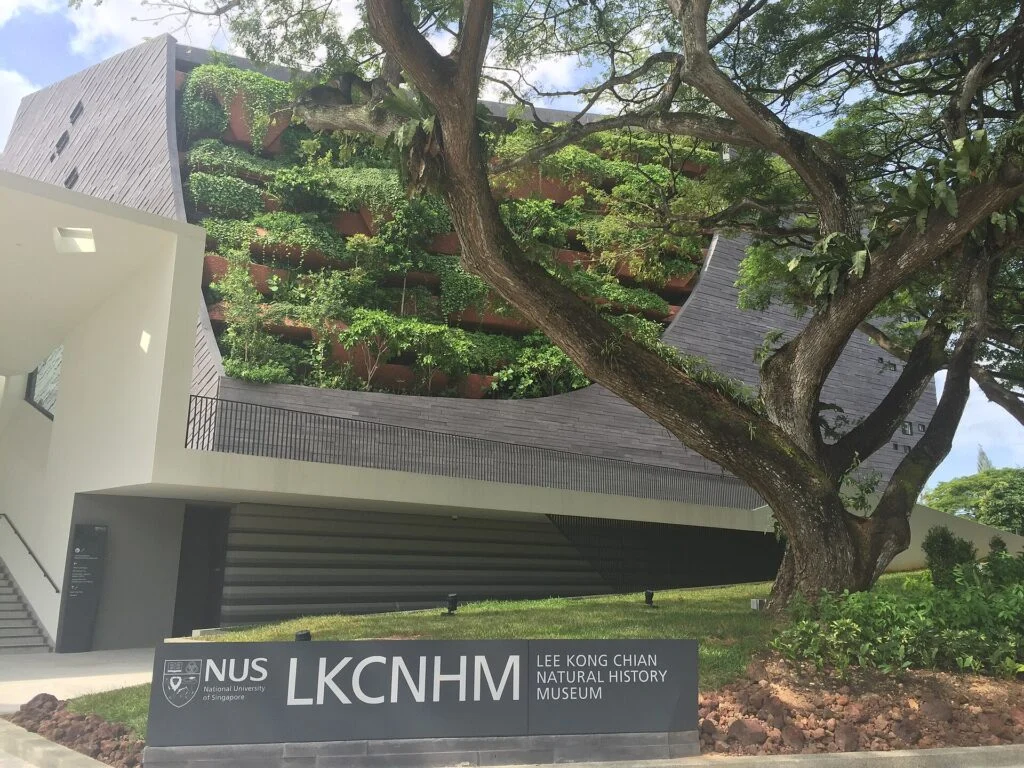
The Lee Kong Chian Natural History Museum occupies the Raffles Museum building on the National University of Singapore’s Kent Ridge campus. The historic colonial-era structure itself offers a sense of continuity with Singapore’s scientific past. Interiors have been refurbished to modern standards but retain a measured and scholarly atmosphere rather than a wholly commercial or tourist-driven one.
From known visitor information, the layout comprises several smaller halls that avoid imposing a grand narrative arc, concentrating instead on thematically arranged collections. This can be both a strength and a limitation; it allows visitors to engage deeply with specific fauna or ecological zones but may feel fragmented for those hoping for a sweeping natural history journey. The museum’s scale, relative to major global natural history museums, keeps crowds lower and experiences quieter, suiting focused engagement.
There are no reported exceptional visitor amenities such as cafés or extensive interactive zones, aligning with the museum’s research and educational mission rather than leisure appeal. The absence of such facilities may be a drawback for visitors expecting a tourist-oriented museum experience. Practical details including visiting hours and ticketing are best checked on the official website for up-to-date accuracy.
Who Will Enjoy It Most
Interest in this museum will be strongest among those with a genuine curiosity about Southeast Asian biodiversity and natural history. Academics, students, conservationists, and naturalists will find much to value given the precise, well-maintained collections relevant to local ecosystems. The museum supports a deeper understanding of how the region’s wildlife fits into broader environmental and scientific contexts.
Families and casual tourists may appreciate certain charismatic specimens such as the langur or dugong skeleton but should moderate expectations about extensive hands-on or interactive experiences common in other natural history venues. The focus on physical specimens and scientific rationale rather than entertainment limits its appeal for visitors who favour more immersive storytelling or dramatic displays.
For residents or visitors interested in the intersection of science and Southeast Asian habitats, the museum provides essential grounding in the organisms and environmental conditions specific to the region. Anyone dealing with conservation issues or regional ecology professionally or academically will regard the museum as a vital reference point.
Planning the Visit
Located in the Kent Ridge area on the National University of Singapore campus, the museum’s geographic position places it somewhat outside core tourist circuits. This makes it particularly accessible to Singapore residents or university visitors rather than transient tourists constrained by itineraries. Parking and public transportation information, along with visitor access policies, are best obtained from the museum’s official online resources.
Admission pricing and any concessions should likewise be confirmed beforehand. The museum’s relatively quiet presence on the tourism map means that group tours or guided visits may be limited; independent exploration is therefore the norm. Visitors interested in supporting educational outreach or research connections might inquire directly about current programs or special events.
Since the museum selects specimens and themes focused on Southeast Asian biota, a visit can be productively combined with ecological excursions or studies of Singapore’s natural parks and reserves. Preparing with some background reading on regional species and habitats will enhance appreciation of the material on display.
Editorial Verdict
The Lee Kong Chian Natural History Museum stands as a specialist institution prioritising Southeast Asia’s rich but vulnerable biological heritage. Its strength lies in a substantial collection assembled through academic rigor, which supports both public education and ongoing scientific endeavors. Unlike larger natural history museums with broad global scope, its regional focus allows for detailed exploration of local fauna and ecosystems often overlooked elsewhere.
The restrained presentation style—favoring authentic specimens and straightforward interpretation—serves this objective well, even if it limits theatrical appeal for casual visitors. The museum’s location on a university campus reflects its priority on research and teaching rather than mass tourism or entertainment. This focus narrows its audience somewhat but makes it an indispensable resource for those interested in how natural history and biodiversity shape Southeast Asia’s environment.
In the balance, this museum fills a distinct gap within Singapore’s cultural and scientific landscape. It is a place for careful study rather than spectacle, where biological heritage is conserved not only for knowledge but for the urgent work of understanding and protecting a fast-changing region.