Jordan Archaeological Museum Review
Archaeology Museums · Amman, Jordan. The Jordan Archaeological Museum, situated within the grounds of the Citadel in Amman, offers visitors a focused and concentrated overview of Jordan’s long and varied archeological heritage. Unlike broader national museums that blend natural…
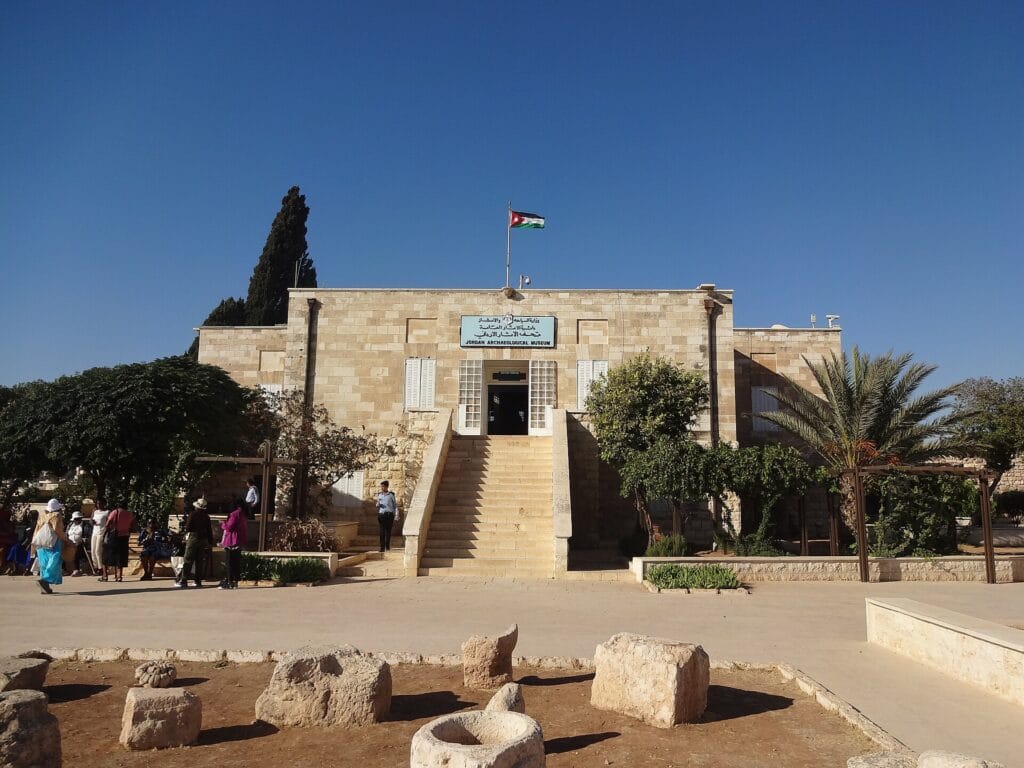
Archaeology Museums · Amman, Jordan. The Jordan Archaeological Museum, situated within the grounds of the Citadel in Amman, offers visitors a focused and concentrated overview of Jordan’s long and varied archeological heritage. Unlike broader national museums that blend natural…
Best forAncient history, artefacts, cultural heritage
Review focusArchaeological collections, context, and visitor planning
What Sets It Apart
The Jordan Archaeological Museum, situated within the grounds of the Citadel in Amman, offers visitors a focused and concentrated overview of Jordan’s long and varied archeological heritage. Unlike broader national museums that blend natural history or fine arts, this institution is dedicated squarely to artifacts unearthed within Jordan’s borders, presenting a continuous narrative that stretches from prehistory through to the early Islamic period. Its placement at one of Amman’s oldest historic sites enhances its contextual resonance, allowing visitors to connect the objects on display with the wider archaeological landscape that surrounds it.
This museum’s strength lies in its role as a custodian of some of Jordan’s most important ancient finds, including materials recovered through pioneering excavations as well as ongoing research projects. It serves primarily as a repository for scholars and serious enthusiasts who seek substantive insights into Jordan’s past civilizations rather than a broad entertainment venue or interactive experience. The museum’s emphasis on archaeological context rather than purely aesthetic display offers a distinct form of engagement for informed audiences.
Collection Depth and Significance
The Jordan Archaeological Museum’s collection is compact but rich with significant artifacts that illustrate key phases of Jordan’s human history. Among the highlights are important prehistoric tools, such as Paleolithic and Neolithic stone implements, which demonstrate early human occupation and technological developments. These collections provide a basis for understanding the origins of settled life and early farming practices in the Levant.
From the Bronze and Iron Ages, the museum holds pottery, statues, and inscriptions that shed light on the Ammonite, Moabite, and Edomite kingdoms, entities less frequently represented in regional museums. Important examples of ancient scripts and stelae give valuable evidence of political and religious practices. Visitors interested in biblical archaeology will find this context helpful, as many of the inscriptions and reliefs correspond with historical references from that era.
One of the collection’s pillars is material from the Nabataean culture — notably pottery, sculptures, tools, and religious artifacts — which highlights the unique contributions of this Arab kingdom, famous for its capital Petra some distance to the south. These items complement the larger landscape of Nabataean influence across Jordan and surrounding areas, revealing everyday life and religious customs.
Additionally, there are Greco-Roman statues, mosaics, and coins documenting the region’s integration into successive empires, illustrating continuity and change over centuries. The museum also houses early Islamic artifacts that mark the transition to newer cultural paradigms.
While the museum is not vast, its dense display of well-documented pieces provides a coherent linear progression through Jordan’s archaeological epochs. This quality of focused curation is particularly beneficial to researchers or visitors who wish to grasp the archaeological importance of specific periods.
Design, Displays, and Atmosphere
The museum, housed in a modest building near the Amman Citadel’s main archaeological ruins, presents its collections in a series of small galleries organized mostly by period. The design emphasizes practicality over spectacle, with cases that prioritize clear visibility of objects rather than theatrical lighting or elaborate thematic installations. Labels and captions tend to be straightforward and factual, aimed at informing rather than entertaining.
One strength in the display approach is the integration of artifacts with descriptive panels that provide historical and archaeological context grounded in current scholarship. However, the museum stops short of extensive multimedia or interactive components, which may disappoint visitors expecting more modern interpretive aids.
The atmosphere is quietly contemplative. Visitor numbers vary but the relatively small scale means the museum generally does not feel crowded, allowing for purposeful examination of artifacts without distraction. The proximity to the Citadel excavations provides a genuine archaeological ambiance, though the interior spaces themselves remain somewhat utilitarian.
A challenge for the museum lies in its limited exhibition space, which constrains how much it can showcase at one time. Some important objects may rotate or be kept in storage, meaning repeat visitors could find a slightly different experience on return visits. Overall, the museum design suits visitors who come with a focused interest in archaeology rather than those seeking broad cultural spectacle or family-oriented activities.
A Visit for Different Audiences
This museum is best suited to those with an existing or developing interest in archaeology, history, or Middle Eastern studies. Scholars, students, and heritage professionals will find the collection and its straightforward presentation valuable for understanding Jordan’s material culture across millennia.
Casual tourists curious about the ancient Near East can gain useful insights, especially if paired with visits to the surrounding Citadel ruins. However, those expecting a more interactive or multimedia-rich experience might feel that the museum’s approach is somewhat dated and static.
Families with children should consider whether the focus on text-heavy panels and artifact display cases aligns with younger visitors’ interests; there are few elements designed specifically for younger audiences. Visitors with limited time in Amman might prioritize more expansive museums or archaeological sites offering larger or more visually stimulating collections.
For repeat visitors or those visiting as part of a thematic exploration of Jordan’s archaeology, the museum remains an important resource, but it depends heavily on prior knowledge or accompanying literature to unlock the full depth of the displays.
The Strongest Reasons to Go
From a cultural and educational standpoint, the Jordan Archaeological Museum stands out because it brings together some of the country’s key archaeological finds in a central, accessible location. Visitors interested in deepening their understanding of Jordan’s role in ancient regional networks will find objects here that are not often seen elsewhere, or that are presented in a focused archaeological narrative.
Its collection of inscriptions and rare artifacts from lesser-known kingdoms such as Ammon and Moab offers a specialized insight that supplements more famous sites and museums, which tend to emphasize Petra or Roman-era history.
The setting on the Citadel hill also adds a dimension of authenticity, incorporating the museum visit into a broader experience of Jordan’s historical landscape. For those interested in the origins of settled life and early urbanism, the prehistoric and Bronze Age material provide a tangible connection to humans’ earliest ventures in the region.
Planning Notes
Visitors should approach the museum primarily as a site concerned with archaeological preservation and research. Its practical facilities and exhibition design are intended to serve this mission, rather than tourist-oriented entertainment.
Before planning a visit, checking the museum’s official website or contacting local heritage authorities is recommended for up-to-date information on opening hours, admission policies, and any restrictions. Information on guided tours or educational programs may not always be readily available or regularly updated.
The museum’s location within the Amman Citadel compound means that some aspects of access depend on broader site arrangements, including ticketing or security procedures that apply to the entire complex. Visitors should keep in mind that the museum’s modest size means that visits are usually not lengthy but can be dense with information.
Editorial Conclusion
The Jordan Archaeological Museum occupies a distinctive niche within Amman’s cultural offerings as a focused repository of archaeological finds that document the country’s deep historical roots. It is especially valuable for those prepared to engage with the material in a scholarly or academically interested manner. The strength of the collection lies in its concentration on artifacts not just from the famous sites but also from lesser-known ancient kingdoms, presenting a more nuanced picture of the region’s archaeological heritage.
While the museum’s display methods and visitor amenities do not match those of larger, more invested institutions in the region, its straightforward approach allows artifacts and inscriptions to speak for themselves. This can be a refreshing change for some visitors, though it may feel sparse or less accessible to casual tourists or visitors unfamiliar with archaeology.
In essence, the Jordan Archaeological Museum delivers on its promise as a specialized cultural institution, providing serious insight into Jordan’s past. Prospective visitors benefit most when they complement the museum visit with external reading or a trip to nearby archaeological sites. It is a place where substance and academic rigor lead the experience rather than spectacle or entertainment, and for that reason, it deserves a place on the itinerary of those truly interested in Jordan’s ancient history.