Triennale Milano Review
Design Museums · Milan, Italy. Triennale Milano stands as a pivotal institution in the cultural landscape of Milan, Italy, deeply rooted in the city’s rich heritage of design, art, and architecture. Founded in 1923 as the Milan Triennial Exhibition…
Design Museums · Milan, Italy. Triennale Milano stands as a pivotal institution in the cultural landscape of Milan, Italy, deeply rooted in the city’s rich heritage of design, art, and architecture. Founded in 1923 as the Milan Triennial Exhibition…
Best forScience, technology, hands-on learning
Review focusExhibits, interpretation, visitor flow
Historical Context
Triennale Milano stands as a pivotal institution in the cultural landscape of Milan, Italy, deeply rooted in the city’s rich heritage of design, art, and architecture. Founded in 1923 as the Milan Triennial Exhibition of Decorative Arts and Modern Architecture, it was originally conceived as a platform to showcase innovative contributions in the decorative arts, bringing together leading designers and artists on an international stage. Over the years, its scope expanded beyond decorative arts to embrace a multidisciplinary approach that includes contemporary art, design, fashion, architecture, and urban planning. This evolution reflects Milan’s stature as a global design capital and its ongoing commitment to fostering creativity and cultural dialogue. Today, Triennale Milano is housed in the Palazzo dell’Arte, a building designed in the 1930s by Giovanni Muzio, symbolizing a blend of modernist architecture and Italian tradition. As a museum and cultural institution, it continues to be a vital hub for exhibitions, educational programs, and research, cementing its role in shaping contemporary cultural discourse on an international scale.
What You See on Arrival
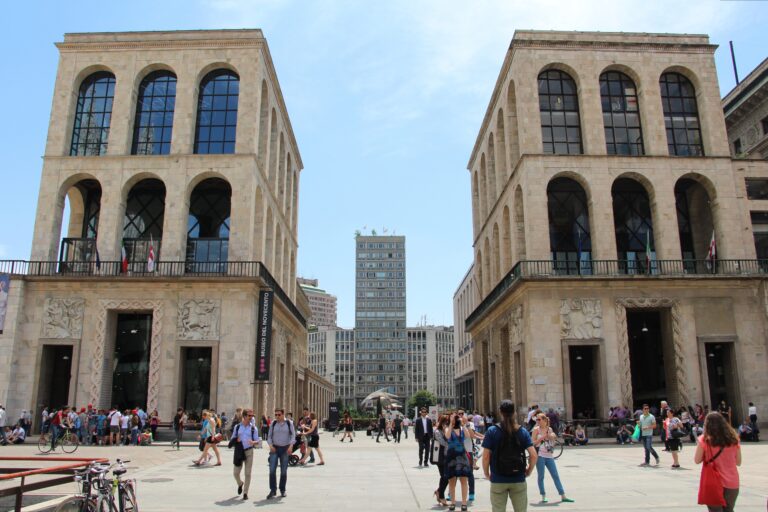
Upon approaching Triennale Milano, visitors are greeted by the striking façade of the Palazzo dell’Arte, a testament to early 20th-century modernist architecture that combines clean lines with classical elements. The museum’s location in Parco Sempione places it within a picturesque urban green space, creating an inviting and serene atmosphere that contrasts with the bustling streets of Milan. The entrance area serves as a gateway, offering a spacious lobby where visitors can orient themselves with the help of clear signage and reception staff. The design of the building’s exterior and entrance space sets an anticipatory tone for those about to explore its rich contents, featuring an understated elegance that hints at the institution’s focus on design and aesthetics. Nearby, the iconic Torre Branca, which once formed part of the Triennale experience, reinforces the museum’s integration into Milan’s urban and cultural fabric. Overall, the arrival experience primes visitors for a journey through diverse fields of creativity and innovation.
Highlights and Key Exhibitions
Triennale Milano’s offerings are characterized by their interdisciplinary nature. The permanent collection provides a comprehensive journey through the history of 20th and 21st-century Italian design and architecture, featuring works from renowned creators that have shaped the fields of product design, furniture, graphic arts, and urban planning. These collections are thoughtfully curated to illustrate the evolution of design philosophies and the socio-cultural contexts in which they emerged. Among the highlights are landmark pieces that resonate with Milan’s legacy as a hub for innovation and craftsmanship.
In addition to the permanent displays, the museum’s temporary exhibitions are a major draw, regularly showcasing cutting-edge contemporary art and design. While specifics of these changing exhibitions vary, they often feature explorations of current themes such as sustainability, technology’s influence on design, and cultural identity. This dynamic rotation ensures that the institution remains relevant and engaging for repeat visitors as well as newcomers. Other notable aspects include exhibitions of architecture models and multimedia installations that provide immersive insights into spatial concepts and urban strategies.
Visitor Experience
The visitor experience at Triennale Milano is designed to be both enriching and accessible. The layout of the museum is logical and well-signposted, enabling easy navigation through its varied exhibition spaces. The combination of permanent and temporary exhibitions allows for a varied visit that can accommodate different interests and timescales. The museum also benefits from attentive staff who are generally well-informed and available for guidance, enhancing understanding and engagement with the displays.
Interpretive materials, including multilingual information panels, catalogs, and audio guides, support a deeper appreciation of the collections and exhibitions. Educational programs, workshops, and public talks further enrich the visitor experience, catering to diverse audiences from design professionals to curious general visitors and families. The integration of interactive elements and contemporary digital media in some exhibitions makes the learning process more engaging, particularly for younger visitors.
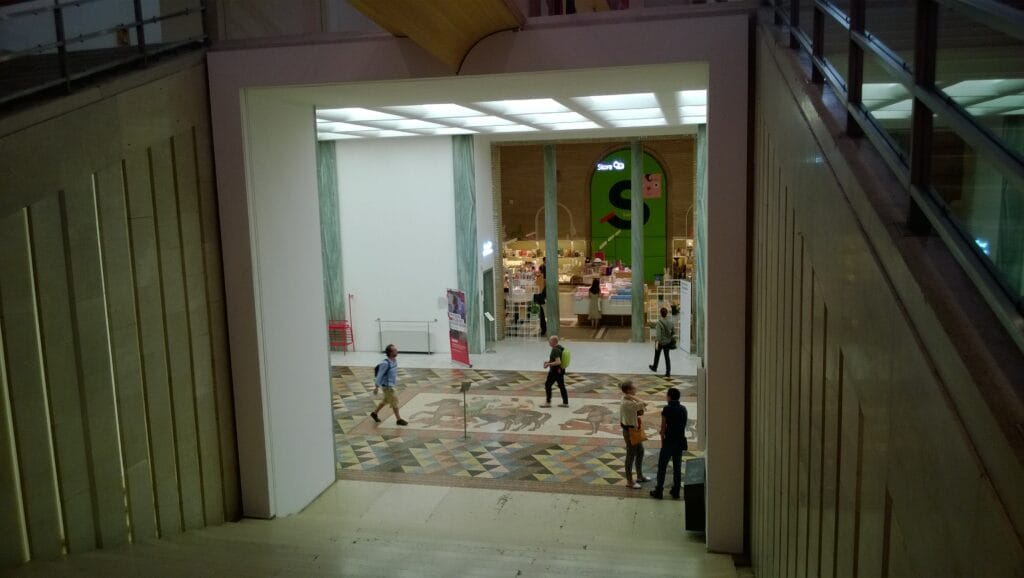
Amenities such as a café and a well-stocked bookshop provide additional value and allow visitors to extend their visit beyond the galleries. The surrounding park also offers a pleasant environment for reflection and relaxation after exploring the museum’s interior spaces. Collectively, these elements create a well-rounded cultural outing.
Tickets, Access, and Planning
Planning a visit to Triennale Milano is facilitated by clear information available on its official website, which includes details on current exhibitions, opening hours, and guided tours. Ticket prices are generally reasonable, with options for reduced rates for students, seniors, and other groups. Entry policies accommodate cultural pass holders, which can be advantageous for frequent visitors or residents. Occasionally, free admission days or special offers are available, promoting wider access to the institution’s diverse programs.
The museum is easily accessible via Milan’s public transportation network, with several tram stops and metro stations within walking distance, making it convenient for both locals and tourists. For those traveling by private vehicle, parking in the vicinity is available though limited, encouraging the use of public transit. Accessibility for visitors with reduced mobility is well considered, with ramps, elevators, and adapted restroom facilities in place to ensure an inclusive environment. However, potential visitors might find the older sections of the building slightly challenging due to architectural constraints common in historic structures.
Advance booking is recommended during peak tourist seasons or for participation in special events, as this helps to avoid long waiting times. Visitors are advised to allocate ample time to fully appreciate the diverse offerings, as the combination of permanent collections and temporary exhibitions can result in a lengthy but rewarding visit.
Final Verdict
Triennale Milano represents a cornerstone of Milan’s cultural identity, offering a compelling blend of historical significance and contemporary relevance. Its strength lies in its ability to present design, architecture, and art in an integrated manner that reflects Milan’s role as a global design capital. The institution successfully balances the preservation of its rich heritage with a forward-looking outlook, embracing emerging trends and fostering critical discussions.
The museum’s multidisciplinary approach, coupled with thoughtfully curated exhibitions and a comprehensive permanent collection, makes it appealing to a wide spectrum of visitors—from design aficionados and art historians to casual tourists seeking insight into Italian creativity. While some aspects of the physical space bear the marks of their historic origins, these do not significantly detract from the overall experience, which is enhanced by professional presentation and supportive visitor services.
In conclusion, Triennale Milano offers a meaningful cultural encounter that epitomizes the intersection of tradition and innovation. It is a destination well worth exploring for anyone interested in the evolution and future directions of design and the arts, firmly establishing its status as an essential visit within Milan’s vibrant museum scene.