Dulwich Picture Gallery Review
London, United Kingdom. Dulwich Picture Gallery, located in London, is historically significant as one of the earliest purpose-built public art galleries in England. Established in 1811, it was designed by the architect Sir John Soane, whose inventive…
London, United Kingdom. Dulwich Picture Gallery, located in London, is historically significant as one of the earliest purpose-built public art galleries in England. Established in 1811, it was designed by the architect Sir John Soane, whose inventive…
Best forMuseum lovers, culture travelers, first-time visitors
Review focusCollections, visitor experience, and practical planning
Historical Context
Dulwich Picture Gallery, located in London, is historically significant as one of the earliest purpose-built public art galleries in England. Established in 1811, it was designed by the architect Sir John Soane, whose inventive use of natural light and space represented an important moment in gallery architecture. The gallery was founded by the art collector and philanthropist Edward Alleyn, whose bequest of his collection intended to educate and inspire the public. Unlike many museums of the time, the Dulwich Picture Gallery was not part of a royal or aristocratic collection but rather an institution with a civic mission grounded in art appreciation.
The gallery's origins are intertwined with the development of public museums in Britain, marking a transition from private collections to spaces with a broader educational and cultural function. Throughout its history, Dulwich has maintained a distinctive identity tied closely to its founding principles, emphasizing the accessibility of classical and Old Master paintings. Located in a quiet London neighborhood rather than the bustling city centre, it reflects a niche approach to collecting and display, focusing on the intimate encounter with art rather than the grandeur seen in larger metropolitan institutions.
What You See on Arrival
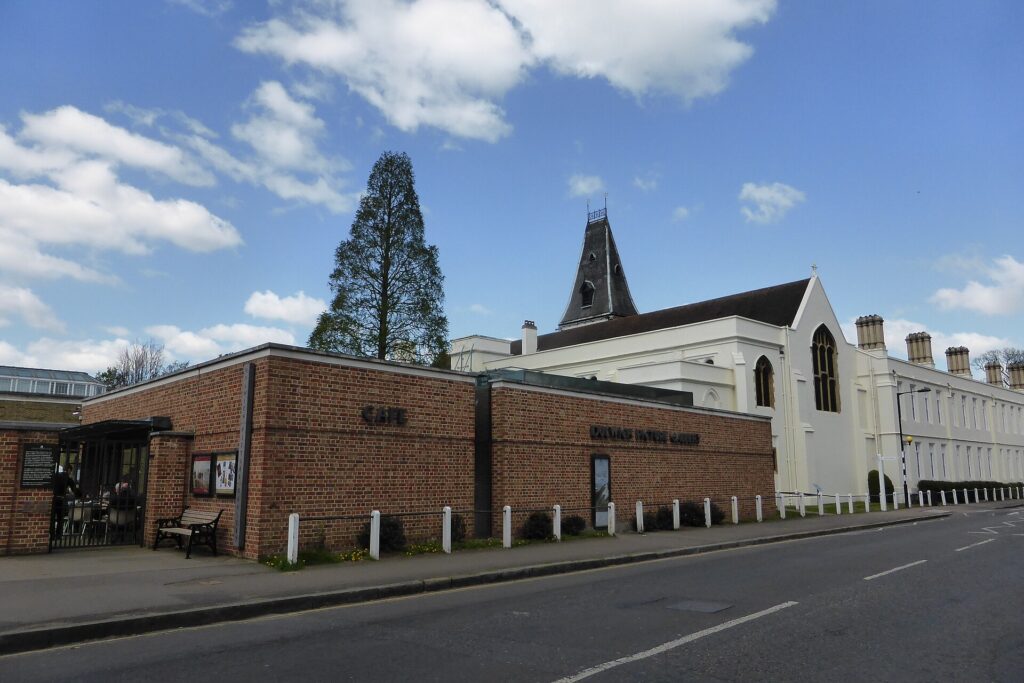
From the outside, Dulwich Picture Gallery presents an unassuming yet elegant façade characterized by Soane’s classical style, featuring brick and stone combined with bow windows that allow natural light to enter the galleries. The building’s scale is modest compared to larger London museums, setting visitor expectations for a more focused and intimate art experience rather than a sprawling encyclopedic collection. Unlike more prominent national museums, Dulwich lacks imposing signage or a dominating presence in its urban environment, blending into the residential surroundings and offering a quieter cultural entry point.
Visitors approaching the gallery confront a balance between past and present, as the architecture itself is a significant draw, with its innovative skylighting designed to optimize natural illumination of the artworks. The subtlety of the exterior highlights the gallery’s historic role as a place intended for thoughtful viewing rather than entertainment or spectacle. Upon entering, one can anticipate orderly galleries where artworks are closely scrutinized without the distraction of excessive crowds or overly theatrical displays. This positioning aligns with the institution’s focus on traditional gallery experiences—quiet, reflective, and centered on the art itself.
Highlights and Key Exhibitions
Dulwich Picture Gallery maintains a distinguished collection primarily focused on Old Masters, including paintings from the 16th to the 19th centuries. This collection features works by figures central to European art history such as Rembrandt, Rubens, Canaletto, and Gainsborough, with particular strength in Baroque and Renaissance paintings. Notably, the gallery holds significant examples of Dutch portraiture and landscape painting, providing a concentrated overview of this influential artistic period. The presence of artists like Poussin and van Dyck extends the collection’s geographical and stylistic reach into French and Flemish traditions.
One of the core strengths of Dulwich lies in the quality and condition of its paintings, many of which have been preserved within the gallery since its foundation. The collection is curated with an evident emphasis on the refinement of form and technique, inviting deeper engagement with brushwork, composition, and historical contexts without the distraction of overwhelming numbers of pieces. Visitors can observe the evolution of European art from the religious and mythological scenes of the Renaissance to the more naturalistic and personal styles of the 18th century.
Beyond the permanent Old Master collection, the gallery occasionally incorporates works that dialogue with the traditional collection, including select pieces of contemporary art or sculpture, though these are not the main focus. While the museum does not host large-scale temporary exhibitions, it emphasizes the enduring relevance of its core holdings through thoughtful installation and accompanying scholarly interpretation. The display methods avoid thematic overload or over-curation, which can occasionally feel too minimalist to those accustomed to more interpretive museum experiences.
Visitor Experience
The visitor experience at Dulwich Picture Gallery is likely to suit those who appreciate contemplative encounters with art in a setting that rewards patience and close looking. The gallery’s design—with its natural lighting and carefully proportioned spaces—encourages seeing paintings in conditions closer to how they might have been originally intended to be viewed. The scale of the galleries allows for manageable pacing, supporting a detailed study of individual works rather than speedy movement through a large collection.
Interpretive materials tend to balance basic cataloguing with concise historical context, relying on the strength of the artworks themselves to engage visitors rather than extensive didactic panels. This approach might appeal more to audiences with some prior knowledge or interest in art history, though casual visitors can nonetheless appreciate the clarity and focus of the displays. The understated presentation means that the gallery’s setting and collection invite a quieter, more reflective experience but may offer less interactive engagement for families or those seeking more multimedia or participatory elements.
The relatively small size of the museum reduces the risk of fatigue, though it also limits the variety of art genres and media on display. Visitors should not expect comprehensive coverage of all periods or artistic movements. The emphasis on a select cadre of European painting traditions means that those looking for a broader or more diverse representation of art might find the collection somewhat narrow. However, this concentration can be seen as a virtue for visitors interested in a deep dive into Old Master painting in a context that remains accessible and free from the distractions common in busier metropolitan institutions.
Tickets, Access, and Planning
Prospective visitors should consult the museum’s official website before planning their visit. Details regarding opening hours, ticketing options, concessions, and booking requirements are subject to change and may vary with season or special circumstances. Given the gallery’s location in south London, visitors should also plan their route in advance, as public transport connections, while available, are less frequent than those in central London.
The gallery’s physical space, originally designed in the early nineteenth century, integrates some modern accessibility adaptations, though visitors requiring specific accommodations should verify these in advance. Since the museum lacks the scale and resources of larger institutions, aspects such as guided tours or audio guides might not be standard and could require prior inquiry.
Visitors interested in programming beyond the galleries, such as talks, workshops, or special events, should also check the official communications for the most current offerings. Given Dulwich Picture Gallery’s focus and size, it caters well to individual visitors or small groups rather than large school tours or high-volume tourism.
Final Verdict
Dulwich Picture Gallery holds a respected place in London’s museum landscape as an early example of a gallery purpose-built for public art appreciation. Its commitment to a focused Old Master collection displayed within architecturally significant buildings makes it a valuable destination for anyone interested in European painting traditions from the 16th to 19th centuries.
The gallery’s strengths lie in its intimate scale, Soane’s considered architectural design, and the quality of its holdings, which allow for unhurried study away from the more congested venues of central London. It is a place where the architecture, light, and artwork work in concert to provide a contemplative environment that respects the integrity of the pieces on display.
However, the museum’s restrained interpretive approach and limited scope may not satisfy all audiences, particularly those seeking diverse art forms, interactive elements, or extensive contemporary programming. Its quieter suburban setting, while peaceful, also means it is somewhat removed from the main cultural arteries of the city.
In summary, Dulwich Picture Gallery offers a refined experience focused on classical painting and architectural heritage. It is well-suited to visitors with a clear interest in European art history or those wishing to enjoy a more serene museum visit without the scale and pace of larger institutions. Careful planning and realistic expectations regarding the collection and presentation will enhance the experience. For up-to-date details on visiting, potential guests should refer to the gallery’s official channels.