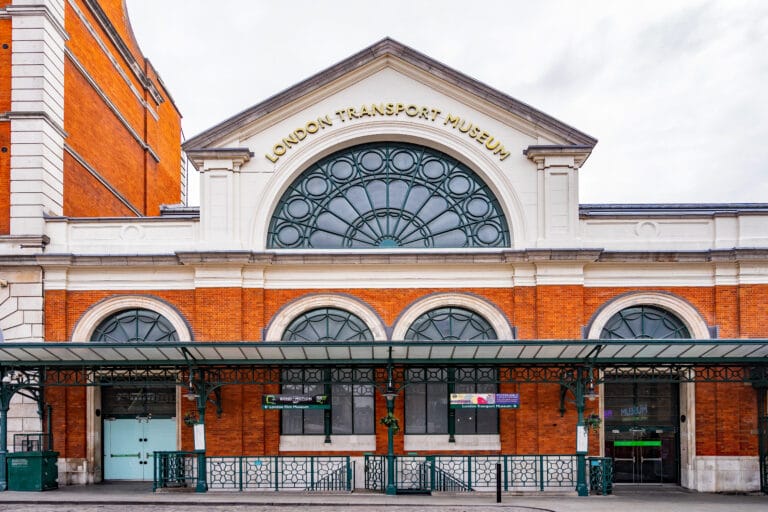
Horniman Museum and Gardens Review
London, United Kingdom. The Horniman Museum and Gardens in London occupies a distinctive place within the UK’s network of regional museums dedicated to natural history, anthropology, and musical instruments. Established in the early 20th century, it was…

London, United Kingdom. The Horniman Museum and Gardens in London occupies a distinctive place within the UK’s network of regional museums dedicated to natural history, anthropology, and musical instruments. Established in the early 20th century, it was…
Best forMuseum lovers, culture travelers, first-time visitors
Review focusCollections, visitor experience, and practical planning
Historical Context
The Horniman Museum and Gardens in London occupies a distinctive place within the UK’s network of regional museums dedicated to natural history, anthropology, and musical instruments. Established in the early 20th century, it was founded on the private collection amassed by Frederick John Horniman, a tea trader and philanthropist. Horniman originally sought to offer his collection freely to the public as a means of education and cultural enrichment, a goal the museum continues to uphold today. Over time, the institution expanded from its origins as a cabinet of curiosities into a multifaceted museum that integrates natural history specimens, ethnographic collections, and musical instruments alongside extensive gardens.
Throughout its existence, the museum has addressed the broader changes in museology and public expectations in collecting and display. It has sought to balance a traditional encyclopedic approach with evolving attitudes towards how cultures outside Europe are represented. The Horniman has embraced more participatory and inclusive programming since the late 20th century and modernized many of its galleries to promote diversity and contextual understanding. Its location in Forest Hill, South London, rather than central London, influences both its catchment audience and its role as a community resource with strong ties to local and regional visitors.
What You See on Arrival
Upon approaching the Horniman Museum and Gardens, visitors encounter a complex that combines Edwardian architectural features with more recent contemporary expansions. The main museum entrance sets a tone of educational purpose but also invites curiosity. While the building’s design isn’t monumental or imposing, it communicates a modest civic pride rooted in its founder’s vision. The museum identifies itself clearly with the multiple domains it covers: natural history, anthropology, and musical instruments are signposted, often signaling that visitors should prepare for varied experiences inside rather than a single thematic narrative.
The spacious grounds, including the gardens and some animal enclosures, frame the experience as one that offers both indoor and outdoor exploration. This setting encourages visitors to consider nature and culture as intertwined rather than separate categories. Outside, the gardens contribute to the institution’s identity by presenting an accessible green space in an urban environment, which complements the collections and exhibitions inside.
Highlights and Key Exhibitions
The Horniman Museum’s core strength lies in the breadth of its collections, which span natural history, cultural artefacts, and sound-related objects. Each domain has galleries dedicated to their presentation, allowing visitors to engage with discrete themes that together create a broader narrative about our planet and diverse human societies.
Natural History
The natural history collection forms a substantial part of the museum’s origin and remains a central feature. It includes taxidermied animals, botanical specimens, and geological samples, arranged in ways that reflect both traditional Victorian display methods and attempts at contemporary interpretation. Specimens such as a walrus, a giant anteater, and an array of birds draw attention due to their scale and presence. The natural history galleries also explore ecosystems and biodiversity, though limitations in label depth and crucial scientific updates in some displays have occasionally been noted by critics. However, the presentation allows for direct engagement with the physicality of the natural world.
Anthropology and Ethnography
The ethnographic collections derive largely from Horniman’s original donations but have expanded through acquisitions reflecting a broad chronological and geographic range. There are objects from Africa, Oceania, Asia, and the Americas, including ceramics, textiles, ceremonial items, masks, and everyday tools. The arrangement editors have chosen is thematic rather than purely geographic, sometimes prioritizing cultural practices or materials over strict provenance sequences. This can assist in highlighting shared human experiences, though it may downplay particularities of specific cultures.
Interpretive efforts have increased to provide ethical context regarding colonial histories and collecting practices, though the museum faces ongoing challenges in balancing respect for source communities with preservation duties. For visitors interested in anthropological perspectives, the Horniman offers valuable insights but should be read critically alongside other ethnographic institutions.
Musical Instruments
One distinctive feature setting the Horniman apart is its substantial collection of musical instruments from around the world. The museum has worked to create a display that is both accessible to casual visitors and informative enough for those with specialized interests. Instruments include string, wind, and percussion items representing diverse traditions, often accompanied by audio elements enabling visitors to hear the sounds these objects produce.
The musical instrument gallery attempts to demonstrate cross-cultural connections through sound and materials, which gives it a dynamic quality. Some critics have found the space somewhat modest in scale compared to other collections of this type globally, but it nonetheless offers a compelling talk point for visitors with a curiosity about musicology or ethnomusicology.
Gardens and Outdoor Attractions
The gardens surrounding the museum extend the experience into landscape design and living collections. They are thoughtfully planned with areas dedicated to ecological themes, ornamental plants, and spaces for public events. Enclosures housing small animals and an aquarium add further dimensions to the museum as a destination that integrates living collections with its exhibits.
While not every visitor will spend extensive time outside, the gardens provide a valuable counterpoint to the indoor galleries, particularly in spring and summer. They also highlight the museum’s commitment to combining natural and cultural heritage.
Visitor Experience
The Horniman’s collection is notably varied, which shapes the visitor experience significantly. Those expecting a focused narrative or a highly curated chronological flow may find the museum somewhat disjointed in its transitions between galleries. The breadth appeals more to visitors who enjoy discovery and diverse subject matter rather than those seeking an in-depth dive into one area.
Interpretation throughout the museum has improved in recent years, with updated label text and multimedia elements helping both general audiences and specialist visitors. There is a visible commitment to inclusivity and education, with family-friendly resources and programming aimed at different age groups. However, language complexity and the density of information occasionally create moments where visitors might need to choose between detailed study and a lighter browsing experience.
The Horniman’s location outside central London means it benefits from fewer peak-time crowds than the city’s major museums, potentially allowing a more relaxed visit. The layout encourages some self-direction, providing opportunities for visitors to linger in preferred areas. On the downside, the variety of focus areas might fragment attention and requires flexible pacing.
Tickets, Access, and Planning
Practical information about the Horniman Museum and Gardens should be verified on the official website prior to planning a visit, especially regarding current opening hours, admission policies, and any visitor services. The museum serves a diverse London population and tourists but has a more local feel compared to central cultural institutions. This might influence transport options and planning considerations.
While accessible transportation links and basic facilities are in place, potential visitors with specific needs are advised to consult detailed accessibility information. The gardens and outdoor areas expand the museum’s appeal to those looking for a combined indoor-outdoor itinerary. However, weather conditions naturally affect the enjoyment of external spaces and should be factored into a visit.
Additional services such as shops, cafés, guided tours, or audio guides may be offered but should be confirmed with the museum directly, as these amenities can vary seasonally and with staffing.
Final Verdict
The Horniman Museum and Gardens remains a distinctive presence in London’s museum landscape due to its combination of natural history collections, ethnographic holdings, and musical instruments, all set within a pleasant garden environment. Its strength lies in diversity rather than specialization, offering visitors a broad look at natural and cultural worlds that can stimulate curiosity across different interests.
That diversity is a double-edged sword. On the one hand, it opens the door to a wide audience and a range of topics. On the other, it challenges coherence and depth, making the museum better suited for visitors who appreciate a varied itinerary rather than those seeking concentrated scholarship or a single narrative arc.
The museum has succeeded in modernizing interpretation and embracing more reflexive approaches to its collections, especially in anthropology. Continued efforts to update and contextualize displays will be essential for maintaining relevance in a shifting cultural landscape. While some galleries retain a traditional presentation style, overall the Horniman demonstrates a willingness to engage critically with its inherited collections.
The gardens add a valuable dimension, allowing visitors to experience living nature and horticulture alongside collections of objects, an aspect underscoring the museum’s original intent of connecting natural and cultural education. The location outside central London provides a quieter setting but may require more planning to reach.
In summary, the Horniman Museum and Gardens is a worthwhile destination for those interested in a varied cultural experience that bridges natural history, anthropology, and music. Visitors should prepare for a diverse but somewhat eclectic museum format and consider timing their visit to enjoy both inside galleries and outdoor spaces. For those who favour thematic depth or highly curated exhibitions, supplementary visits to larger city museums may be advisable, but the Horniman’s combination of collections continues to offer distinctive educational and reflective opportunities in South London.