Topkapi Palace Museum Review
Palace Museums · Istanbul, Turkey. The Topkapi Palace Museum, situated in the historic heart of Istanbul, Turkey, stands as a monumental testament to the Ottoman Empire’s opulent past. Constructed in the mid-15th century under the orders of Sultan Mehmed…
Palace Museums · Istanbul, Turkey. The Topkapi Palace Museum, situated in the historic heart of Istanbul, Turkey, stands as a monumental testament to the Ottoman Empire’s opulent past. Constructed in the mid-15th century under the orders of Sultan Mehmed…
Best forArchitecture, royal history, heritage
Review focusArchitecture, history, visitor experience
Historical Context
The Topkapi Palace Museum, situated in the historic heart of Istanbul, Turkey, stands as a monumental testament to the Ottoman Empire’s opulent past. Constructed in the mid-15th century under the orders of Sultan Mehmed II, the palace served as the primary residence and administrative headquarters of Ottoman sultans for nearly four centuries. Its strategic location on the Seraglio Point, overlooking the Golden Horn and the Bosphorus, underscores its political and symbolic significance. The palace complex is a sprawling labyrinth of courtyards, pavilions, and gardens, designed to showcase imperial power, wealth, and religious prestige. The transition from ruling palace to museum was formalized in the early 20th century following the fall of the Ottoman Empire, preserving this architectural marvel and its rich collections of artifacts. Today, it offers invaluable insights into Ottoman architecture, court life, and artistry, while serving as a cultural bridge linking past imperial grandeur with contemporary Turkey’s historical narrative.
What You See on Arrival
Visitors to the Topkapi Palace Museum are first greeted by its imposing exterior walls, which evoke a sense of grandeur and fortification. Upon entering through the monumental Gate of Salutation, the initial courtyards reveal a calm, regal atmosphere punctuated by intricately designed gardens and fountains. These early spaces were once bustling with palace officials and guards but now offer a tranquil introduction to the sprawling complex ahead. The architectural elements immediately convey a blend of defensive robustness and refined artistry, reflecting the palace's dual function as a residence and seat of power. As visitors move deeper into the palace grounds, the successive courtyards unfold like chapters in a rich historical narrative, each space carefully delineated by elaborate gates, marble stairways, and tiled facades. The layout offers a sensory journey, engaging sight with a harmonious mix of tiled surfaces, calligraphic decorations, and ornamental motifs that embody Ottoman aesthetics.
Highlights and Key Exhibitions
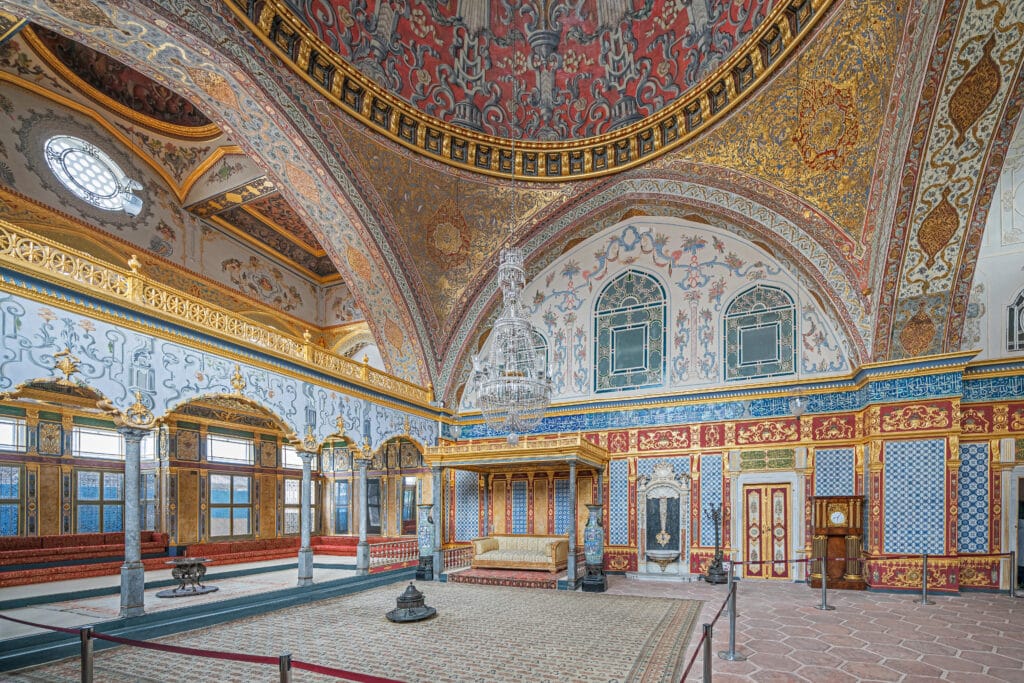
Among the museum’s many treasures, the Imperial Harem stands out as a highlight, providing a captivating glimpse into the private quarters of the sultan and his family. The intricate tile work and wood carvings reflect the delicate craftsmanship devoted to these secluded spaces, revealing the intersecting lives of royalty, concubines, and eunuchs. Equally compelling is the Treasury, where visitors encounter a dazzling array of jewels, ceremonial weapons, and precious artifacts. Noteworthy pieces include the famed Topkapi Dagger and the Spoonmaker’s Diamond, both exemplifying the luxurious tastes and political symbolism of the Ottoman elite. The palace’s collection of religious relics is another cornerstone of its exhibition, housing revered Islamic artifacts such as Muhammad’s cloak and sword. These items emphasize the palace’s role not only as a political center but also as a custodian of religious heritage. The kitchens, with their vast array of utensils and cookware, offer practical insight into the complexity of palace life and the culinary sophistication of the Ottoman court.
Visitor Experience
The layout and scale of the Topkapi Palace Museum present both opportunities and challenges for visitors. The extensive grounds and numerous buildings require a substantial time investment to explore thoroughly. Informational signage is generally clear, with multilingual explanations that support a deeper understanding of each area. Audio guides and guided tours are available options that help contextualize exhibits and bring historical anecdotes to life. Navigation within the palace complex, however, might feel overwhelming at times for those unfamiliar with large historical sites. Areas such as the Harem have restricted access and require separate tickets, an important detail for planning a visit. The museum’s appeal is enriched by its location, offering panoramic views across Istanbul’s historic skyline and waters. Visitor services, including seating areas and refreshments, are strategically placed to provide comfort during exploration, though the popularity of the site can lead to crowded conditions, particularly during peak seasons.
Tickets, Access, and Planning
Planning a visit to the Topkapi Palace Museum involves consulting current schedules and ticketing options. Admission fees vary depending on whether visitors choose to include additional sections like the Harem. It is advisable to secure tickets in advance, especially during high tourism periods, to avoid long queues. The museum is accessible via multiple public transportation routes, with nearby tram and bus stops facilitating entry for those using Istanbul’s extensive transit system. Accessibility for visitors with mobility impairments has seen improvements, though the historic nature and uneven terrain of the site mean that some areas may pose challenges. Seasonal weather can influence the experience as much of the palace is outdoors or semi-open-air, making the timing of a visit an important consideration. Official information sources provide the latest updates regarding opening hours, closures, and any necessary health and safety protocols that visitors should be aware of before arrival.
Final Verdict
The Topkapi Palace Museum encapsulates a rich and complex chapter of Ottoman and world history within an astonishing architectural ensemble. It successfully balances the dual role of historic site and museum, offering visitors a multifaceted experience that combines political intrigue, artistic excellence, and spiritual significance. While the sheer scale and density of exhibits require a dedicated approach to fully appreciate, those who invest the time are rewarded with a uniquely immersive journey into the heart of an empire. The museum's ability to maintain and present such a comprehensive collection is commendable, though occasional crowding and logistical considerations around ticketing and access slightly temper the experience. Nevertheless, the Topkapi Palace Museum remains an essential destination for those interested in the confluence of history, art, and culture, standing as a luminous cultural beacon in Istanbul’s rich tapestry of heritage.