Topkapi Palace Museum
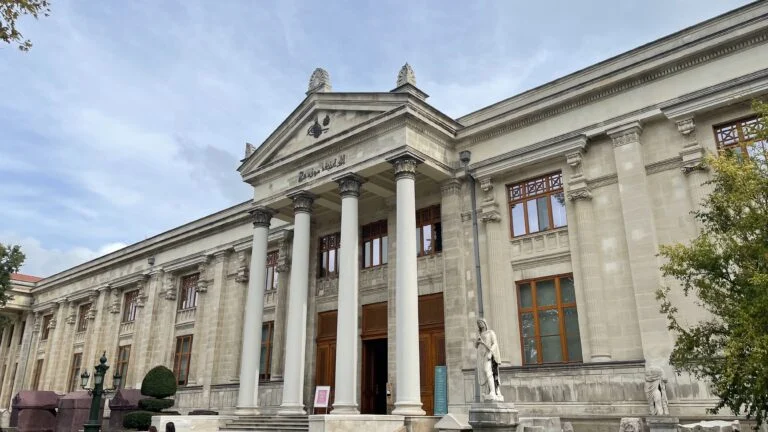
Palace Museums · Istanbul, Turkey. The Topkapi Palace Museum in Istanbul, Turkey, is a magnificent example of a historic royal residence turned cultural heritage site. Once the administrative heart and residence of Ottoman sultans for nearly four centuries, this…
Best forArchitecture, royal history, heritage
Setting / nearbyIstanbul, Turkey
Overview
The Topkapi Palace Museum in Istanbul, Turkey, is a magnificent example of a historic royal residence turned cultural heritage site. Once the administrative heart and residence of Ottoman sultans for nearly four centuries, this sprawling complex now serves as an important museum showcasing Ottoman imperial life, art, and history. Positioned strategically overlooking the Bosphorus, the Golden Horn, and the Sea of Marmara, the palace holds a uniquely commanding view while reflecting the grandeur and complexity of one of history’s most influential empires. Visitors to the Topkapi Palace Museum experience a journey through time, exploring a world where architecture, lavish decoration, and imperial ceremony all intersect.
Collection Highlights
One of the chief draws of the Topkapi Palace Museum is its extensive and varied collection of artifacts reflecting Ottoman culture and governance. The palace itself is filled with opulent rooms and courtyards that once housed the sultans, their families, and the imperial court. The Treasury is especially famous for its dazzling displays of precious jewels, including the renowned Topkapi Dagger and the Spoonmaker’s Diamond, which are among the most spectacular gems historically associated with the Ottoman dynasty. These objects symbolize the wealth, craftsmanship, and international connections of the empire.
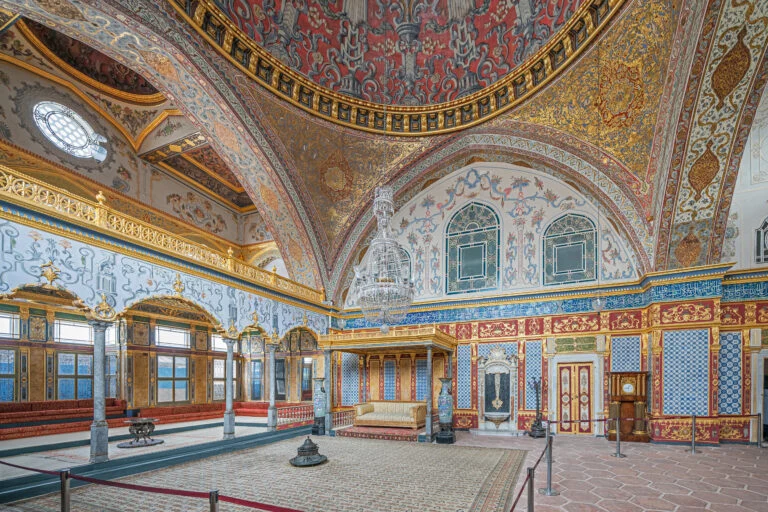
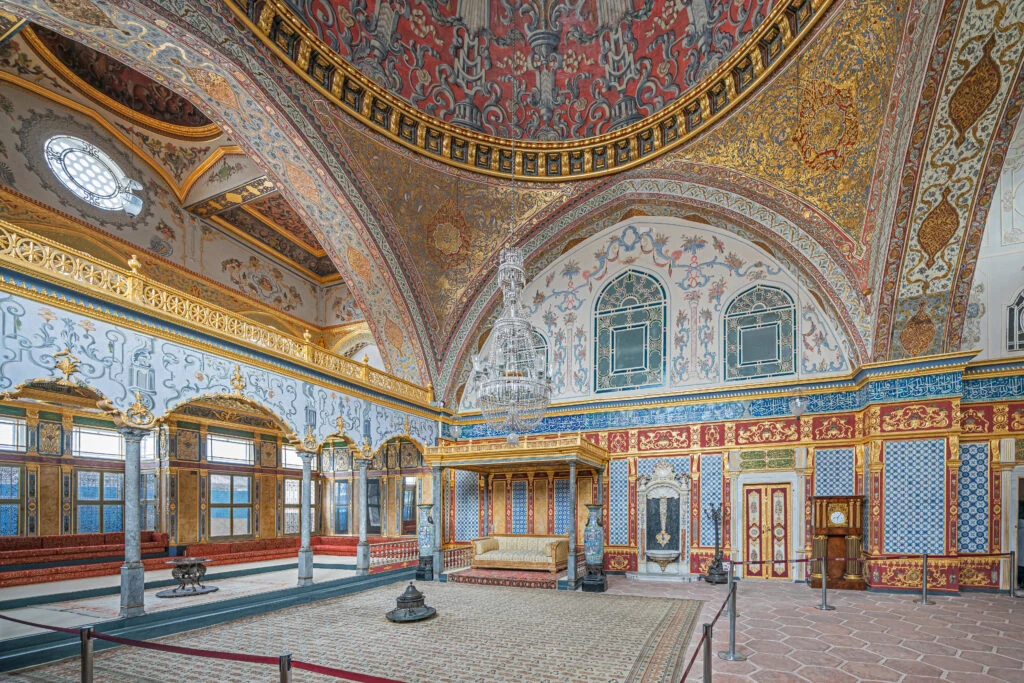
The Harem section, traditionally the private living quarters of the sultan and his family, offers insight into everyday life, social structure, and the intricate roles of women within the palace. Access to this area reveals elaborately decorated rooms, intricate tilework, and richly detailed interiors, embodying both luxury and intimate domestic spaces.
The imperial collections also encompass extensive arms and armor, showcasing the martial prowess that supported the empire’s expansion and defense. Manuscripts, calligraphy, and religious relics further enhance the museum’s diverse offerings, narrating the spiritual and intellectual life at the heart of the Ottoman realm. Among these, sacred Islamic relics attract particular attention, connecting visitors with the religious traditions that influenced Ottoman governance and culture.
Building and Setting
The Topkapi Palace is not just a museum of artifacts but a historic architectural complex in its own right. Originally constructed in the mid-15th century, it expanded over subsequent centuries into an amalgamation of pavilions, courtyards, gardens, and functional buildings spread across roughly 700,000 square feet. Visitors walk through an ensemble of structures designed to serve both the political and domestic needs of the Ottoman court.
Architecturally, the palace is a blend of Ottoman and Islamic styles, with influences from Byzantine and Persian designs adapted for the Turkic imperial context. The buildings feature expansive courtyards, delicate tile work, intricate woodcarving, and elegant arches, creating a harmonious and aesthetically compelling environment. The natural setting, perched on a promontory overlooking major waterways, provides a splendid backdrop that highlights the strategic importance of the location as well as the beauty of Istanbul.
Gardens and terraces surrounding the palace offer serene spots to reflect and enjoy panoramic views, while the layout itself hints at the hierarchical and functional organization of the court, with increasingly private and exclusive areas deeper within the complex.
Practical Information
Visitors planning to explore the Topkapi Palace Museum should be prepared for a full day experience, given the size of the complex and the diversity of its exhibition areas. Comfortable walking shoes are advisable as the grounds are large and include some uneven surfaces and steps. Group tours and audio guides, often available on-site or through affiliated providers, can greatly enhance understanding of the rich history and intricate details found throughout the palace.
Photography policies can vary between sections, especially in areas containing delicate artifacts or sacred items, so it is respectful and practical to observe signage and any official guidance given by museum staff.
Entrance fees may differ based on age, nationality, or special exhibitions, and there may be separate tickets needed for particular sections such as the Harem. Due to the evolving nature of museum operations, including seasonal variations and public health considerations, it is advisable to check official sources for current opening hours, ticket prices, and any visitor requirements prior to arrival.
Why Visit
The Topkapi Palace Museum offers a richly layered cultural experience that goes beyond mere sightseeing. It is a gateway into the Ottoman Empire’s political heart and domestic life, revealing how power, faith, art, and daily living intertwined to shape centuries of history. For those interested in imperial history, Middle Eastern art, and architecture, or the historical evolution of Istanbul itself, this museum delivers an unparalleled perspective.
Moreover, the museum’s location in one of the world’s most historically significant cities adds context and depth to a visit, merging the legacy of Byzantium, the rise of Istanbul as an imperial capital, and the enduring cultural vibrancy of modern-day Turkey. Whether exploring the jewel-encrusted treasures, contemplating centuries-old manuscripts, or simply soaking in the vistas from the palace gardens, visitors find themselves immersed in a world both exotic and intimately human.
In essence, a visit to the Topkapi Palace Museum is not only a journey into the Ottoman past but also an invitation to reflect on the complex narratives of empire, culture, and identity that continue to resonate in Istanbul and beyond. It remains a vital cultural institution that connects history with the present, offering insight, inspiration, and a profound appreciation for one of the great royal courts of the world.