Museum of the Moving Image Review
New York City, United States. The Museum of the Moving Image, located in New York City, offers a focused exploration of the art, history, and technology of film, television, and digital media. Established in 1988 and housed in a…
New York City, United States. The Museum of the Moving Image, located in New York City, offers a focused exploration of the art, history, and technology of film, television, and digital media. Established in 1988 and housed in a…
Best forMuseum lovers, culture travelers, first-time visitors
Review focusCollections, visitor experience, and practical planning
Historical Context
The Museum of the Moving Image, located in New York City, offers a focused exploration of the art, history, and technology of film, television, and digital media. Established in 1988 and housed in a repurposed former department store building in Astoria, Queens, the museum reflects the city's longstanding relationship with the motion picture industry. New York, alongside Los Angeles, has been a historic hub for filmmaking and television production, and the museum’s location near former studios reinforces this connection.
From its inception, the Museum of the Moving Image aimed to fill a gap in cultural institutions by concentrating on moving image culture as opposed to static visual art or performance art. Its development traces a path through decades of evolving media forms, initially centering on cinema but increasingly embracing television and the digital transformations reshaping audiovisual storytelling. Over time, the museum has adapted to new technologies and shifting audience expectations, aiming to present moving images within a historical and technical framework rather than purely as entertainment.
The Museum of the Moving Image represents a distinctive model in museum practice: combining exhibition with educational programming and archival research. It serves not only as a showcase for artifacts such as cameras, film reels, and props but also as a center for public engagement with the processes behind filmmaking and media production. This dual mission—to preserve and explain—shapes much of the institution’s presentation and collection policies.
What You See on Arrival
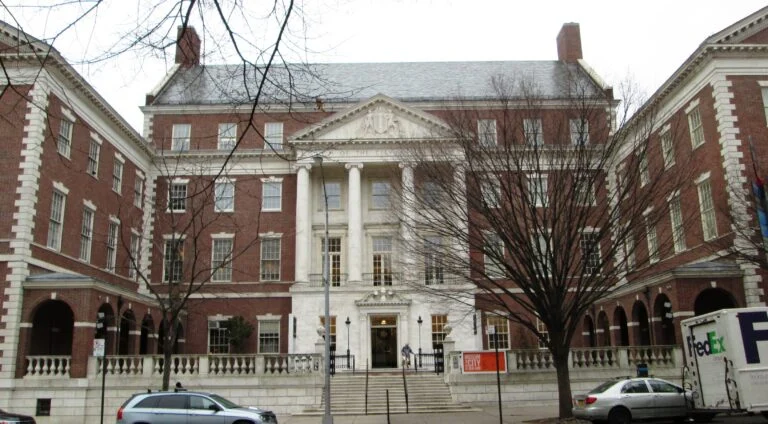
Visitors approaching the Museum of the Moving Image first encounter a distinctive building that balances its industrial past with a contemporary design ethos. The architecture avoids grandiosity, emphasizing approachability and an unpretentious welcome to enthusiasts and novices alike. The entrance is clearly marked, usually with clear signage indicating the museum’s name and some indication of its focus on moving images.
The lobby area, as known from floor plans and public descriptions, sets an immediate tone with media screens and display cases that hint at the museum’s thematic range. This framing situates the visitor not only in the domain of film but also the wider family of moving images, including television broadcasts and video games. The layout guides visitors toward the exhibition spaces logically and encourages a chronological or thematic progression through the museum.
There is a clear intention to balance educational content with engagement, so the entrance area may incorporate audiovisual elements or introductory displays that summarize key themes. For first-time visitors, this orientation is important for setting expectations around the kinds of objects and stories the museum presents. The initial impression is one that positions the institution as a place for exploration of the cultural and technical dimensions of moving images rather than a conventional art museum.
Highlights and Key Exhibitions
The Museum of the Moving Image is structured around several core themes that show the breadth and depth of moving image culture. It integrates historical artifacts, interactive displays, and documentary materials to deliver a multidisciplinary approach.
One of the museum’s strongest features is its permanent exhibition “Behind the Screen,” which offers a comprehensive overview of the technology and processes involved in filmmaking and television production. This exhibition covers the invention of the motion picture camera, the transition from silent films to talkies, and the evolution of special effects and digital technologies. Visitors encounter original cameras, early projectors, film editing equipment, and hands-on stations that illustrate technical principles such as frame rates and optical effects.
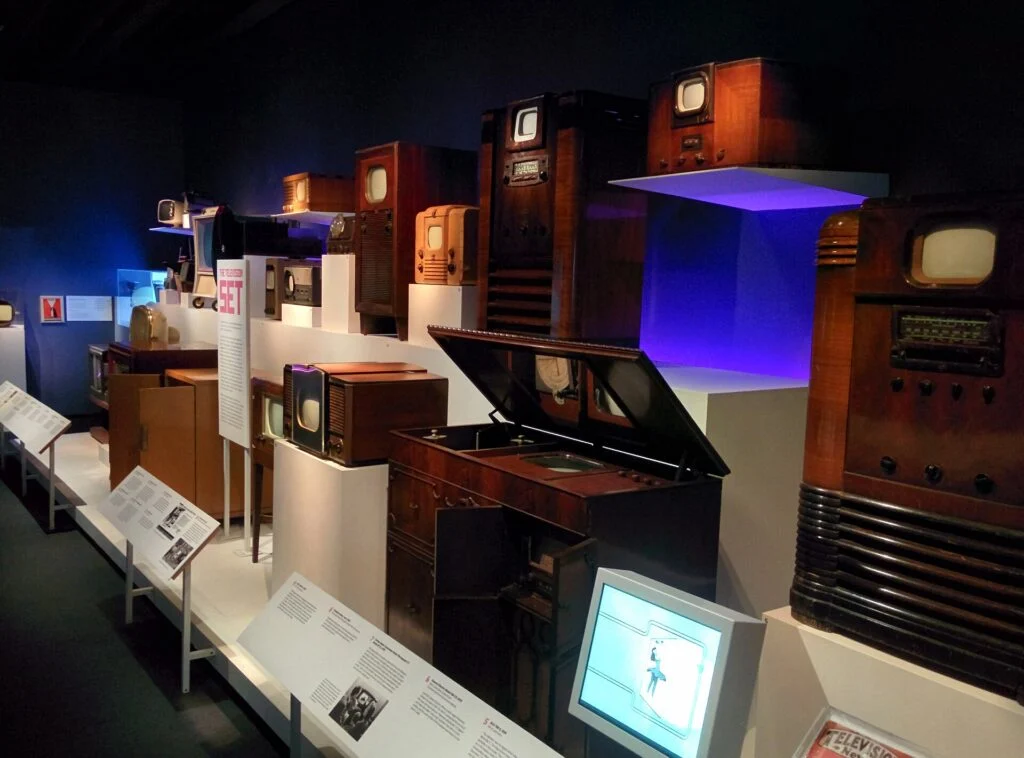
The museum’s collection of moving image hardware extends to television sets, video game consoles, and computers that chart the progression from analog to digital media. This breadth illustrates how the moving image has diversified beyond cinema into interactive and electronic forms, a narrative that resonates with a modern audience familiar with screen-based media in various formats.
Closely related is the emphasis on the cultural impact of media, evident in sections devoted to film genres, television programming, and the role of advertising. Curated displays may feature costumes and props from landmark films and television shows, underscoring the museum’s role in both preservation and interpretation. The artifacts are not merely items but are accompanied by contextual information about their significance in industry history and popular culture.
Screenings and film programs are also part of the museum’s offerings, showing an ongoing commitment to presenting moving images in their original or adapted formats. While programming can vary, the inclusion of these events underscores a point that the moving image is not only an object to be looked at but also content to be actively experienced.
Educational initiatives complement the exhibitions, particularly those geared toward younger audiences and students. Workshops and interactive components encourage visitors to engage with the creative aspects of media production, from storyboarding to editing. This pedagogical dimension expands the museum’s remit beyond static display into active learning and skills development.
The museum’s bibliographic and archival materials provide important research resources, though these are generally less accessible to casual visitors and more oriented toward scholars and professionals. This dual role as a public museum and archive is a defining characteristic, supporting scholarship while also aiming at broad public education.
Visitor Experience
The Museum of the Moving Image appeals mainly to visitors who have an interest in film, television, and media technology, including professionals, students, and enthusiasts. Its content is detailed enough to satisfy deeper curiosity about how movies and broadcasts are made and the evolution of the technologies involved, yet remains accessible to general audiences accustomed to screen entertainment.
The pace of a visit tends to be steady due to the density of information and the range of audiovisual elements. Exhibits are structured to allow visitors to spend time examining artifacts, watching brief documentary clips, or participating in interactive displays. This methodical pace suits visitors who enjoy a focused, somewhat investigative approach rather than casual browsing.
The museum’s interpretation is effective in explaining technical subjects in ways that are approachable, avoiding overly specialized jargon without sacrificing accuracy. The use of multimedia plays a significant role in elucidating concepts such as film editing, sound design, and digital effects, which might otherwise remain abstract. This creates a layered experience where visitors can both observe historical objects and understand their practical functions.
One potential limitation is that the museum’s concentration on technology and process may feel dry or overly detailed for those seeking a more narrative or star-driven exploration of film history. Individuals interested primarily in cinematic art or critical theory might find the focus more on industry mechanisms than aesthetic or sociopolitical contexts.
Physical layout and visitor flow appear to be thoughtfully considered, with clear pathways and spaces that accommodate groups or individual exploration. However, the comprehensiveness can be challenging for visitors with limited time or those who find it difficult to navigate denser informational content without guided assistance.
The museum’s role in public programming—such as screenings and talks—adds depth but can create variability in the experience depending on timing. Visitors should be aware that the museum’s offerings might change seasonally or with special events, so planning around these components could influence the overall visit.
Tickets, Access, and Planning
Details about hours, admission fees, and available discounts are subject to change and should be verified through the museum’s official channels prior to a visit. This is particularly important given periodic updates in policies or special programming schedules impacting access.
The museum’s location in Queens may require additional transit time from Manhattan or other parts of New York City, and potential visitors should consider logistics based on their own travel arrangements. Transport options include subway and bus connections, but familiarity with New York’s public transit system or consultation with travel resources is advisable.
Information on accessibility features, including accommodations for visitors with limited mobility or sensory sensitivities, is best confirmed through the museum’s official website or customer service. Museums of this scale typically offer a range of accommodations, but specifics can vary, especially for particular exhibitions or events.
Similarly, the availability of guided tours or audio guides is not guaranteed as a standard feature and may depend on museum staffing, exhibition design, or special programming. Prospective visitors who rely on these services should check current offerings before arranging their visit.
Finally, on-site amenities such as cafés, shops, and cloakrooms are common in medium-sized museums but again subject to operational status and visitor policies that may change. These do not generally affect the core visit experience but may influence comfort and convenience.
Final Verdict
The Museum of the Moving Image occupies an important niche within New York City’s cultural landscape by providing sustained attention to the history and mechanics of film, television, and digital media. Its strength lies in the careful curation of technological artifacts combined with interpretative materials that render complex processes comprehensible to a broad public.
Visitors interested in the craft of filmmaking, production technologies, and media history will find the museum especially rewarding. It successfully bridges technical detail and popular culture without overwhelming its audience. The exhibitions offer a dense, often technical but well-explained narrative that underscores how moving images have been created, distributed, and consumed over time.
Nonetheless, the museum’s focus on process and technology may not fully satisfy visitors more drawn to thematic narratives about film genres, star histories, or cinematic aesthetics. Those seeking an art historical treatment or broader cultural criticism of moving images should complement their visit with other institutions or resources.
Practical planning should emphasize confirming current visiting conditions, including hours, admissions, accessibility, and supplementary programs. The museum’s location outside of Manhattan’s main tourist corridors means extra transit time is necessary for many visitors.
In sum, the Museum of the Moving Image stands as a specialized institution offering robust insights into the machinery and development of screen media. It is best suited for those with a measured interest in media production and history rather than casual moviegoers or those looking primarily for entertainment. The museum’s archival function and public engagement efforts also make it a valuable resource for educators, students, and researchers exploring the moving image’s evolving role in culture and technology.