Tomakomai Port Museum Review
The Tomakomai Port Museum, situated in the coastal city of Tomakomai in Japan, offers a nuanced exploration of the region’s maritime.

The Tomakomai Port Museum, situated in the coastal city of Tomakomai in Japan, offers a nuanced exploration of the region’s maritime.
Best forMaritime history, ships, harbour heritage
Review focusHistorical collections, local context, and visitor planning
Historical Context
The Tomakomai Port Museum, situated in the coastal city of Tomakomai in Japan, offers a nuanced exploration of the region’s maritime heritage. Tomakomai, located in Hokkaido, is a significant gateway for sea trade and fishing, crucial to both the local economy and cultural identity. The museum delves into the complex history of the port, tracing its development from a modest fishing harbor to a vital commercial hub linking Japan with international markets. This transformation is linked closely to the broader narrative of Japan’s industrial growth in the 20th century and its strategic positioning in the Asia-Pacific maritime routes. By situating the port within historical, economic, and technological contexts, the museum offers insights into how maritime activities have shaped the community’s way of life, feeding into themes of industrial innovation and regional modernization. The institution thus serves not only as a repository of nautical artifacts but also as a reflection on how the port’s evolution reflects broader shifts within Japanese society and global maritime commerce.
What You See on Arrival
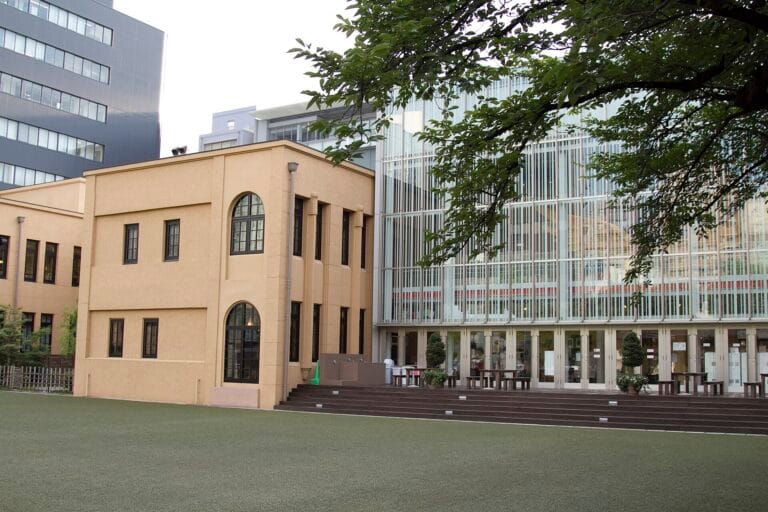
Upon arrival at the Tomakomai Port Museum, visitors are greeted by a sleek, modern exterior that harmonizes with the industrial character of the port without overwhelming it. The building’s design integrates elements reminiscent of maritime architecture, such as clean lines and open spaces that evoke the feeling of dockyards and shipyards. Outside, informative panels provide a quick orientation to the port’s significance and outline the museum’s main themes. A small plaza adjacent to the entrance often features outdoor exhibits or maritime memorabilia, offering a tangible prelude to the indoor experience.
Inside, the entrance hall is spacious and bathed in natural light, creating an inviting atmosphere. The layout is intuitive, directing visitors toward the main galleries but also encouraging casual exploration of smaller display cases near the foyer. This initial area often includes maps, timelines, and multimedia screens presenting an overview of Tomakomai’s maritime history, setting the stage for more detailed exhibits. The atmosphere conveys a balance between educational purpose and an engaging narrative, appealing to a broad audience from casual visitors to maritime enthusiasts.
Highlights and Key Exhibitions
The museum’s core collection focuses on the multifaceted role of Tomakomai Port within Japan’s maritime industry. A standout feature is the detailed scale models of various ships, from early fishing vessels to modern cargo freighters. These models are accompanied by intricate descriptions of their construction, technological evolution, and operational roles, providing rich context for appreciating advancements in naval engineering.
One particularly compelling exhibition explores the port’s role during key historical periods, including its participation in post-war industrial recovery. Archival photographs and personal accounts highlight how Tomakomai’s workers and community adapted and thrived amid rapid change, illustrating the social dimensions of maritime industry beyond the technical. Complementing this are interactive displays that delve into the ecological impact of port activities, offering an environmental perspective that enriches understanding of the port’s long-term sustainability challenges.
Another major section is dedicated to the fishing industry, a cornerstone of Tomakomai’s identity. Carefully curated artifacts such as traditional fishing gear, navigation instruments, and catch records provide insight into the practices and innovations that sustain local livelihoods. This area also underscores the intimate relationship between the community and the sea, emphasizing cultural traditions and culinary heritage linked to fishing.
The museum does not neglect the contemporary aspect of the port, featuring exhibits on logistics, container shipping, and import-export dynamics that position Tomakomai within global trade networks. Through multimedia presentations and real-time data feeds, the institution enables visitors to connect historical developments to present-day realities, demonstrating the port's ongoing relevance.
Visitor Experience
The Tomakomai Port Museum opens itself up as an accessible knowledge center tailored to engage a diverse public. Clear signage in both Japanese and English supports international visitors, while staff members are noted for their helpfulness and subject expertise. The exhibition spaces are thoughtfully designed, allowing for easy navigation with seating areas strategically placed for rest and contemplation.
Interactive elements are well integrated without overwhelming the narrative flow. Touchscreens, video documentaries, and audio guides complement the physical displays, enhancing engagement for different learning styles. The ambient soundscape, incorporating maritime noises and subtle music, creates an immersive environment that draws visitors deeper into the thematic content.
Educational programming is another dimension that enriches the visitor experience. While specific temporary exhibitions are not outlined here, the museum’s reputation suggests a commitment to regular public events, lectures, and workshops aimed at fostering a deeper connection to maritime culture and history. Children’s activities and family-friendly resources also contribute to a welcoming atmosphere, making the museum a valuable resource for local schools and community groups.
Facilities such as a café and museum shop enhance visitor convenience, offering spots to relax and purchase educational materials or locally crafted souvenirs. Accessibility provisions, including wheelchair-friendly routes and assistive devices, further ensure that the museum is inclusive to all audiences.
Tickets, Access, and Planning
The Tomakomai Port Museum operates with reasonable entrance fees, balancing affordability with the quality of its displays and services. Discounts are typically available for seniors, students, and groups, reflecting a policy geared toward broad public engagement. Free admission days or special rates may be offered seasonally, aligning with local cultural or maritime events.
Location-wise, the museum benefits from its proximity to the port area and Tomakomai city center. It is accessible by public transportation, with local buses and taxis connecting efficiently from Tomakomai Station. Ample parking facilities are available for those arriving by car, and the surrounding area provides pleasant walking routes for visitors interested in exploring the port district further.
The museum maintains a user-friendly official website that supplies practical information including opening hours, ticket prices, and directions. While the online presence focuses largely on permanent exhibitions, it also provides updates on special programming and visitor advisories, aiding in trip planning. Given Tomakomai’s status as a transit point for northern Hokkaido, the museum presents an ideal cultural stop for travelers seeking to enrich their understanding of the region's maritime context.
Final Verdict
The Tomakomai Port Museum stands as a meaningful cultural institution that effectively bridges historical depth with contemporary relevance. Its comprehensive approach to exploring maritime life and industry showcases not only the technological and economic facets of the port but also highlights the human stories and environmental considerations tied to maritime activity. The museum’s thoughtful curation and accessible presentation style make it appealing to a wide spectrum of visitors, from casual tourists to serious students of maritime history.
While some may find the pace of the exhibitions methodical, this measured approach allows for a deeper appreciation of the port’s multifaceted character. The absence of overwhelming interactive gimmicks or flashy displays ensures that the content remains substantive, though a greater focus on rotating exhibitions or thematic updates could inject additional dynamism for repeat visitors.
In summary, the Tomakomai Port Museum offers a well-rounded, insightful experience that honors the port’s legacy and ongoing significance within Japan and beyond. Its combination of historical artifacts, engaging storytelling, and practical visitor amenities position it as a notable destination for anyone interested in maritime heritage, regional history, or Japan’s economic transformation. For those planning a cultural journey through Hokkaido, the museum promises to enrich understanding of the critical role played by sea networks in shaping communities and commerce.