The Postal Museum Review
Postal Museums · London, United Kingdom. The Postal Museum in London stands as a testament to the rich and complex history of communication in the United Kingdom. Established to chronicle the evolution of postal services from their earliest origins to…
Postal Museums · London, United Kingdom. The Postal Museum in London stands as a testament to the rich and complex history of communication in the United Kingdom. Established to chronicle the evolution of postal services from their earliest origins to…
Best forScience, technology, hands-on learning
Review focusCollections, visitor experience, and practical planning
Historical Context
The Postal Museum in London stands as a testament to the rich and complex history of communication in the United Kingdom. Established to chronicle the evolution of postal services from their earliest origins to contemporary times, the museum captures the profound societal impact of mail delivery and communication advancements. The narrative stretches from rudimentary courier systems of the past through to the introduction of the postage stamp, the expansion of the Royal Mail network, and the integration of modern technology. The Postal Museum’s collections embody not only the technical and logistical aspects of postal services but also their cultural and social significance. The museum situates itself in a city synonymous with postal innovation, where the iconic Penny Black stamp was first issued, and the underground postal railway was once a bustling conduit. This historical fabric adds layers of interest to the museum’s mission, with artifacts and exhibits that illuminate how communication has shaped social connections, commerce, and public life in the United Kingdom.
What You See on Arrival
Upon approaching The Postal Museum, visitors are greeted by a building that is both modern and thoughtfully integrated into its urban setting, reflecting the duality of heritage and innovation. The entrance area is open and welcoming, designed to ease the transition from the city into a world dedicated to postal history. The interior spaces prioritize natural light and clear wayfinding, providing an immediate sense of orientation. The arrival zone features introductory displays that set the stage for the journey ahead, including timelines and thematic panels that gently prime visitors with key historical milestones. There is a noticeable focus on accessibility and visitor services, with clear signage, a cloakroom, and a well-stocked gift shop visible from the lobby. The public areas show an attention to comfort and functionality, signaling that the museum is designed to cater to a broad demographic, from families to scholars. The atmosphere here is engaging without being overwhelming, balancing informative content with visual appeal.
Highlights and Key Exhibitions
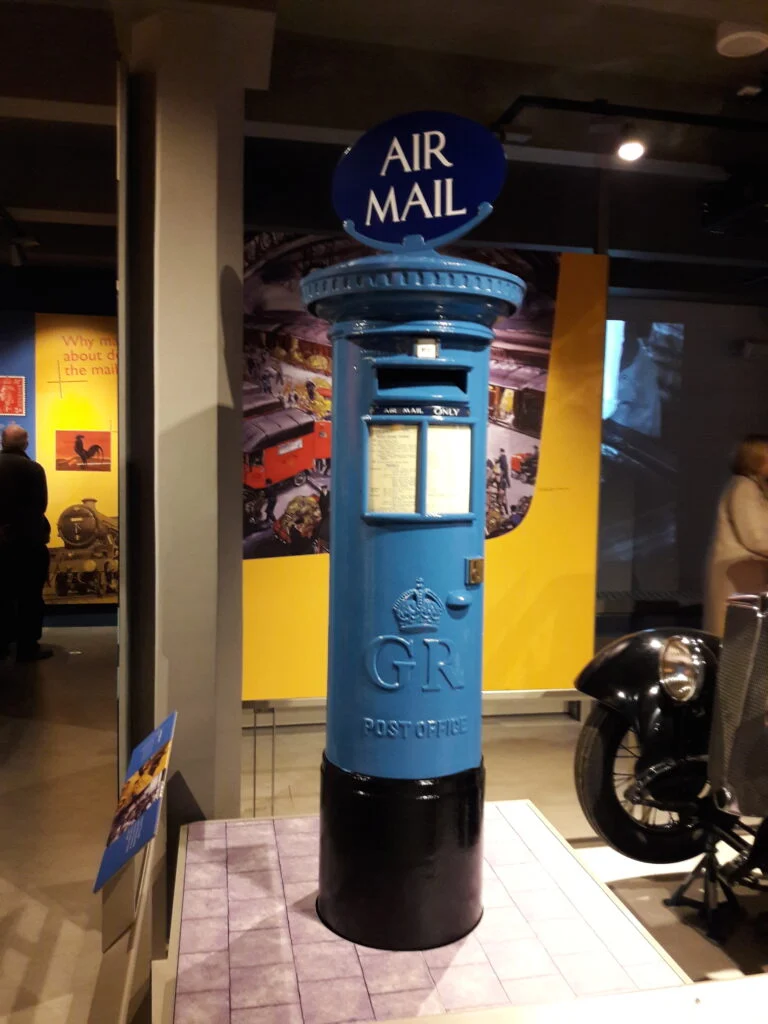
The Postal Museum’s core strength lies in its seamless balance between historical artifacts and immersive storytelling. Among the standout exhibits is a meticulous collection of postage stamps, with selections that trace design and printing innovations alongside postal reforms. The story of the Penny Black, the world’s first adhesive postage stamp, is a particular highlight, given its revolutionary impact on communication. Equally compelling is the display on the Post Office Underground Railway, a once-secret underground system used to transport mail beneath London. Visitors can learn about this unique logistical marvel through detailed models, photographs, and original equipment, painting a vivid picture of an era when mail moved mysteriously beneath the city streets.
Another area of distinction is the exploration of the human element in postal services. Exhibits focus on the diverse workforce, revealing stories of postmen, sorters, and clerks who contributed to an essential public service. Personal letters, postcards, and documents on display provide intimate glimpses into social histories and world events, binding personal experience with the broader communication network. The museum also addresses the evolution of technology, from telegraphs to automation, demonstrating how each leap shaped the efficiency and reach of the postal system.
In addition to permanent displays, The Postal Museum offers a dedicated section for children, making use of interactive installations and hands-on activities that educate through play. This area supports the institution’s commitment to engaging a younger audience, cultivating interest in postal heritage through tactile and digital interfaces.
Visitor Experience
The experience of navigating The Postal Museum is enhanced by clear, logical layouts that guide visitors through chronological and thematic segments. Labels and information panels are crafted with care, ensuring clarity without overwhelming detail, making the experience rewarding for both casual visitors and those with deeper interest. The inclusion of multimedia elements enriches the narrative, combining audio recordings, video interviews, and digital touchpoints that bring archival materials to life.
One distinctive feature that adds to the immersive nature of the visit is the opportunity to explore a segment of the Mail Rail. This historic underground railway was integral to London’s postal operation for much of the twentieth century. The museum allows guests to embark on a miniature train journey along a preserved portion of the original track, offering a tactile and sensory dimension to the narrative. This experience is emblematic of the museum’s broader approach: blending education with engagement to create memories beyond static displays.
Staff at The Postal Museum are noted for their professionalism and approachability. They are positioned both to assist with practical visitor needs and to enrich the experience through informal commentary and answers to questions. This human element reinforces the institution’s mission to connect the public with stories of communication that are inherently personal and societal.
Tickets, Access, and Planning
The Postal Museum offers a tiered ticketing structure designed to accommodate various visitor profiles. Admission fees are reasonable, with concessions and discounts typically available for seniors, children, students, and groups. Special pricing for families encourages visits with younger members, supporting a museum environment that is both informative and enjoyable for all ages. Advance booking options are promoted to manage peak visiting times; however, walk-in visitors are generally accommodated comfortably.
Accessibility is a clear priority, with the museum featuring step-free access, elevators, and accessible restroom facilities. The layout considers mobility needs thoughtfully, ensuring that key exhibits and experiences, including the Mail Rail train ride, are as inclusive as possible. Additional resources such as large print guides and hearing loop systems support those with sensory impairments.
When planning a visit, potential guests should allocate sufficient time to explore the permanent exhibitions, the children’s area, and the Mail Rail experience, as combining these can extend the visit to several hours. The museum’s location in London is conveniently served by public transport, with nearby underground and bus connections. Onsite amenities such as a café provide opportunities for refreshment, adding to visitor comfort during longer stays.
Final Verdict
The Postal Museum succeeds admirably in its dual role as a guardian of postal heritage and an accessible space for public engagement. Its strengths lie in the depth of its collections, the clarity of its storytelling, and the immersive qualities that help visitors appreciate the postal network’s historical and social significance. The museum manages to appeal across generations, inviting curiosity from children while offering substantial content for history enthusiasts and researchers alike.
Nevertheless, certain aspects could benefit from further enhancement. The exhibition space, while well-utilized, occasionally feels constrained by the density of material presented, leaving a desire for more spaciousness to fully absorb the content. Additionally, the highly specialized nature of some exhibits may occasionally require more contextual background for general visitors unfamiliar with postal terminology or history.
Overall, The Postal Museum represents a compelling destination for those interested in communication history, British heritage, and urban innovation. It blends educational rigor with accessible presentation and memorable interactive elements, ensuring that it is more than a repository of old artifacts but a vibrant hub of storytelling about the past and present of postal services. For residents and tourists alike, it provides a unique lens through which to view the everyday connections that link people and places, making it a valuable and engaging institution in London’s rich museum landscape.