The National Museum of Korea Review
Korean Art & History · Seoul, South Korea A Museum Built for Continuity The National Museum of Korea stands with quiet authority at the edge of.

Korean Art & History · Seoul, South Korea A Museum Built for Continuity The National Museum of Korea stands with quiet authority at the edge of.
Best forMasterpieces, architecture, cultural history
Review focusCollection highlights, building, visitor flow
Historical Context
The National Museum of Korea, located in Seoul, is the country’s largest museum and one of the most important institutions for preserving Korean cultural heritage. Its origins date back to the early 20th century, with the establishment of the Imperial Household Museum in 1909. Over time, the institution evolved through periods of political change, including Japanese occupation and the Korean War, before taking its current form as a national museum.
The modern museum building opened in 2005 in Yongsan, designed to house an extensive collection spanning prehistoric artifacts to contemporary works. The museum reflects a national effort to present Korea’s history and culture in a comprehensive and structured way. Its exhibitions emphasize continuity, showing how traditions, beliefs, and artistic practices have developed over thousands of years.
As a national institution, the museum plays a central role in cultural education and preservation. It presents Korean history not only as a sequence of events but as a living cultural narrative, connecting past traditions with present identity. This approach makes it a key reference point for understanding Korea’s historical and cultural development.
What You See on Arrival
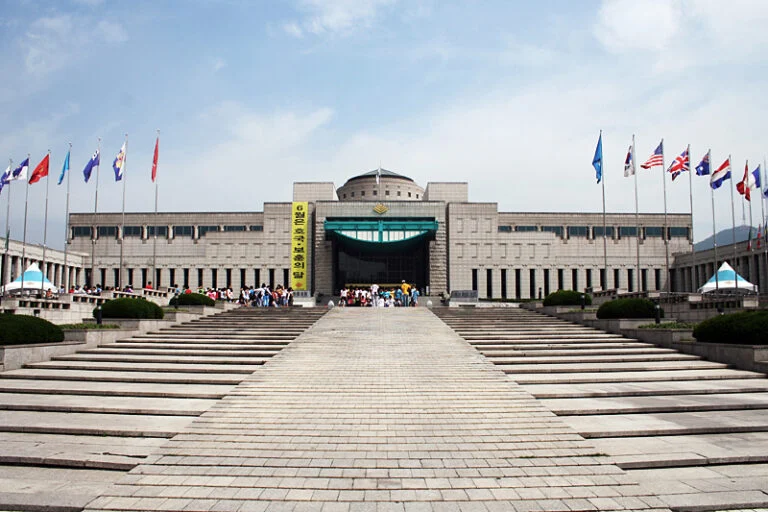
Arriving at the National Museum of Korea, visitors encounter a large, modern complex set within landscaped grounds. The building’s design is clean and symmetrical, with a focus on balance and openness. The surrounding outdoor areas, including gardens and water features, create a calm transition into the museum space.
Inside, the central hall is expansive and structured, providing clear access to different exhibition areas. The layout is organized across multiple floors, each dedicated to specific themes such as archaeology, history, and fine arts. Wide corridors and open spaces contribute to a sense of clarity and ease of movement.
The first impression is one of scale and order. Unlike older, more compact museums, this space is designed to handle large numbers of visitors without feeling crowded. Natural light is used throughout the building, enhancing visibility and creating a comfortable environment.
The overall mood is calm and focused. The design avoids unnecessary distraction, allowing the collections themselves to take priority. Visitors are immediately aware that this is a museum built for both education and reflection.
Highlights and Key Exhibitions
The museum’s collection covers a wide range of Korean history, from prehistoric artifacts to works from the Joseon Dynasty and beyond. One of the most notable sections is the archaeological gallery, which includes tools, pottery, and burial objects that provide insight into early Korean societies.
The historical galleries present a structured overview of Korea’s dynastic periods, including the Three Kingdoms and the Goryeo and Joseon dynasties. These sections combine artifacts, documents, and visual displays to create a coherent narrative of political and cultural development.
A major highlight is the collection of Buddhist art, which includes sculptures, paintings, and ritual objects. These works reflect the significant role of Buddhism in Korean history and are presented with attention to both artistic and spiritual context.
The museum is also known for its ceramics collection, particularly celadon pieces from the Goryeo period. These works are valued for their craftsmanship and aesthetic qualities, representing a high point in Korean artistic production.
Temporary exhibitions add variety to the museum’s offerings, often focusing on specific themes or international collaborations. These exhibitions provide additional perspectives and keep the museum experience dynamic.
Visitor Experience
The visitor experience at the National Museum of Korea is defined by its clarity and accessibility. The layout is easy to navigate, with clear signage and logical progression between galleries. Visitors can follow a chronological path or explore individual sections based on interest.
Pacing is flexible, as the museum allows for both short visits and more in-depth exploration. The spacious design helps reduce the impact of crowds, even during busy periods. Quiet areas are readily available, allowing visitors to engage with exhibits at their own pace.
The atmosphere is calm and educational. Unlike more crowded or densely arranged museums, this space encourages a more measured approach to viewing. Seating areas and open spaces provide opportunities for rest and reflection.
Interactive elements are present but not dominant. The focus remains on the objects themselves, supported by clear explanations and contextual information. This balance makes the museum suitable for both casual visitors and those seeking a deeper understanding of Korean history.
Tickets, Access, and Planning
The National Museum of Korea is located in Yongsan, Seoul, and is accessible by public transportation, including subway and bus routes. Its central location makes it convenient for visitors staying in different parts of the city.
General admission to the museum is free, making it widely accessible. Special exhibitions may require tickets, but the main galleries can be explored without cost.
Planning a visit depends on the level of detail desired. A shorter visit can cover key highlights, while a full exploration may take several hours. The museum’s size and range of content make it advisable to prioritize specific sections in advance.
Facilities such as cafés, rest areas, and outdoor spaces support longer visits. The overall design ensures that visitors can move comfortably through the museum without feeling rushed.
Final Verdict
The National Museum of Korea offers a comprehensive and well-structured presentation of the country’s cultural heritage. Its combination of scale, organization, and depth makes it one of the most significant museums in Asia.
Who should visit? The museum is suitable for anyone interested in Korean history and culture, as well as visitors seeking a clear and accessible introduction to the subject. Its design also makes it appealing to those who prefer a more relaxed museum experience.
Why visit? Because it provides a detailed and coherent overview of Korea’s past, supported by high-quality collections and thoughtful presentation. The museum’s ability to balance education with accessibility makes it a valuable destination.
For visitors looking to understand Korea beyond surface impressions, the National Museum of Korea offers an experience that is both informative and engaging.