Texas Prison Museum Review
The Texas Prison Museum, located in Huntsville, United States, offers a compelling and sobering exploration of one of the state’s most.

The Texas Prison Museum, located in Huntsville, United States, offers a compelling and sobering exploration of one of the state’s most.
Best forTransport history, engineering, families
Review focusHistorical collections, local context, and visitor planning
Historical Context
The Texas Prison Museum, located in Huntsville, United States, offers a compelling and sobering exploration of one of the state’s most complex and enduring institutions—the Texas prison system. Established to chronicle the deeply rooted history of incarceration in Texas, the museum delves into more than a century of penal practices, policies, and notable occurrences. This institution serves as a reminder of the profound social, political, and economic impacts that prisons have had on the state. The story unfolds through artifacts, reproductions, and documents that trace the evolution of the penitentiary system from its 19th-century origins, including its links to the Southern penal labor system, through the modernization efforts of the 20th century, and up to recent reforms. The museum does not shy away from difficult topics such as prison violence, the lives of infamous inmates, and the challenges of rehabilitation. As such, it is both a historical archive and an educational resource shedding light on Texas’s unique and sometimes controversial approach to incarceration.
What You See on Arrival
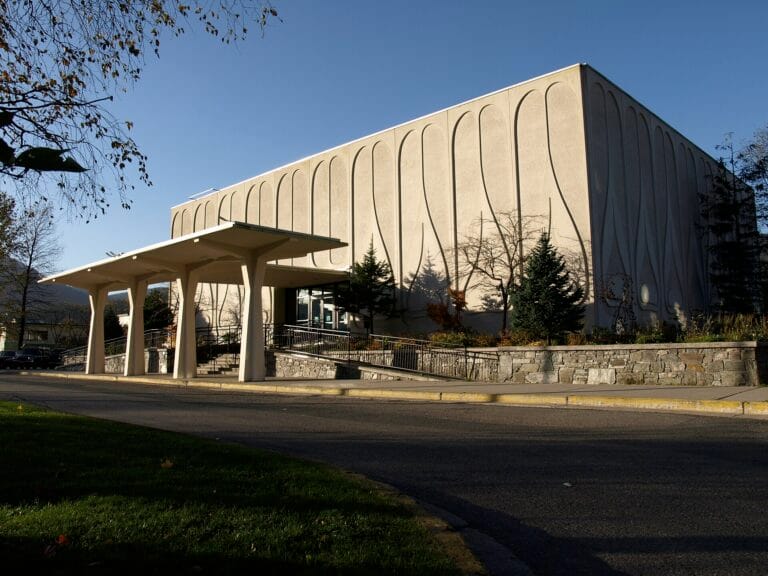
Upon arrival at the Texas Prison Museum, visitors are greeted by a modest but inviting entrance that immediately sets the tone for the experience ahead. The exterior of the facility is unassuming, in keeping with the traditional aesthetic of many small museums dedicated to local or specialized history. Clear signage directs guests to the main entrance, while informational boards provide a succinct overview of the museum’s focus and its location in Huntsville—a city historically connected to the state’s penal system. Outside, nearby displays, including a preserved prison gas chamber and other artifacts, provide a preview of the subject matter inside. These outdoor installations are thoughtfully curated and serve as an immediate introduction to the stark realities of prison life and the evolution of correctional methods. This outdoor area effectively crowns the entrance experience by evoking curiosity and a reflective mindset before stepping inside.
Highlights and Key Exhibitions
The core of the Texas Prison Museum’s appeal lies in its well-organized permanent exhibitions, which offer a comprehensive insight into the history and functioning of Texas’s prison system. One of the central highlights is the collection of authentic artifacts sourced from prisons across the state. Items such as inmate uniforms, handcuffs, original cell doors, and tools of the trade enrich the visitor’s understanding of daily life behind bars. A particular strength of the museum is its detailed look at the infamous Texas death row, featuring chilling exhibits on the electric chair known as “Old Sparky.” The history of capital punishment in Texas is explored with sensitivity and thoroughness, offering visitors a chance to contemplate the moral and legal complexities surrounding this practice.
The museum also dedicates space to showcasing stories of notable inmates, capturing their backgrounds, crimes, and the impact they had on public perception and penal policy. These biographical exhibitions humanize many of the individuals who have passed through the Texas prison system, highlighting the diversity of their experiences and the broader social issues at play.
A significant section is devoted to the historical development of prison labor. Displays detail how inmate labor was utilized in various industries—from agriculture to manufacturing—and discuss the economic and ethical debates that have accompanied this practice. Interactive exhibits and audiovisual presentations help contextualize how prison labor shaped Texas’s economy and penal philosophy.
Visitor Experience
The visitor experience at the Texas Prison Museum is designed to be both educational and thought-provoking. The layout of the museum encourages a chronological progression through Texas’s penal history, allowing visitors to follow key developments and shifts in policy. The exhibits are thoughtfully arranged to balance textual information with visual and tactile elements, making the content accessible to a wide range of ages and backgrounds.
Interpretive signage is clear and concise, supplemented by photographs, newspaper clippings, and personal testimonies that provide diverse perspectives on incarceration. The museum’s commitment to presenting an honest and unvarnished depiction of prison life is evident, although some may find the tone at times somber given the subject matter.
Staff and volunteers, when present, contribute positively to the atmosphere, often ready to answer questions and provide additional context to the exhibits. Educational resources are available, including brochures and guided tour options for groups, which enhance the learning experience.
Tickets, Access, and Planning
Visiting the Texas Prison Museum generally requires advance planning, particularly for group visits. Ticket prices are reasonable and reflect the museum’s nonprofit status, with discounts often available for seniors, military personnel, students, and children. The museum typically offers a combination of single entry tickets and group rates, accommodating different visitor needs. Online booking is encouraged to streamline the check-in process.
The location in Huntsville is accessible by road, with ample parking available on-site. For visitors relying on public transit or taxis, the museum provides detailed directions and transportation advice on its official website. The building and grounds are wheelchair accessible, with ramps and accessible restrooms ensuring inclusivity. The museum also offers materials in multiple languages and audio guides for visitors requiring accommodations. Visitors are advised to allocate a couple of hours to thoroughly experience the exhibits, and on-site amenities include a small gift shop featuring prison-themed souvenirs and educational books.
Final Verdict
The Texas Prison Museum succeeds in delivering an informative and impactful journey through the history of one of the nation’s most significant correctional systems. It balances educational rigor with emotional resonance, presenting complex and often uncomfortable subjects with a straightforward and respectful approach. Its carefully curated artifacts and exhibits provide visitors with a deeper understanding of the historical context, social dynamics, and ethical considerations inherent in the penal system of Texas.
While the museum is focused on a niche subject, it possesses broad appeal for history buffs, students, researchers, and anyone interested in the intersection of law, society, and human rights. Its honest depiction of incarceration avoids sensationalism, opting instead for a nuanced narrative that invites reflection on both past and present issues related to justice and punishment.
Though the museum’s size is modest and the setting somewhat understated, the depth and quality of its collections leave a lasting impression. This museum stands as a vital repository of Texas penal history and a meaningful educational resource that challenges visitors to consider the complexities of crime, punishment, and rehabilitation in a modern context. For those willing to engage thoughtfully with the subject matter, the Texas Prison Museum offers a unique and valuable experience.