Texas Air Museum Review
Aviation Museums · Ransom Canyon, United States. The Texas Air Museum, located in Ransom Canyon, United States, is a dedicated institution preserving the rich aviation heritage of Texas and its broader contributions to American and global aeronautics. Established to honor the…
Aviation Museums · Ransom Canyon, United States. The Texas Air Museum, located in Ransom Canyon, United States, is a dedicated institution preserving the rich aviation heritage of Texas and its broader contributions to American and global aeronautics. Established to honor the…
Best forScience, technology, hands-on learning
Review focusAircraft collections, flight history, and visitor planning
Historical Context
The Texas Air Museum, located in Ransom Canyon, United States, is a dedicated institution preserving the rich aviation heritage of Texas and its broader contributions to American and global aeronautics. Established to honor the pioneers of flight and the technological advances that shaped the modern aerospace landscape, the museum provides valuable insight into the regional and national significance of aviation. Texas has played a pivotal role in aviation history, serving as a hub for training pilots, manufacturing aircraft, and testing aeronautical innovations. This museum seeks to capture this heritage, bringing together an array of artifacts, archival materials, and aircraft that span from early flight endeavors to more contemporary developments. By showcasing the efforts of aviators, engineers, and military personnel, the Texas Air Museum offers an educational window into the spirit of innovation and bravery that propelled aviation forward in the region. Its localized focus combined with a wider appreciation for aerospace achievements makes the museum a unique repository of history in West Texas.
What You See on Arrival
Approaching the Texas Air Museum, visitors are greeted by a modest yet inviting exterior that reflects its intimate, community-oriented nature. The museum is situated within a setting that complements its aviation theme, with neatly arranged outdoor displays including several restored aircraft that provide a compelling preview of the exhibits indoors. The grounds are well-maintained, creating an unobtrusive atmosphere conducive to reflection on the aviation stories being preserved. The entrance leads into a spacious lobby area where visitors can find informational panels, brochures, and a comfortable seating area. From this initial point, it becomes clear that the museum is designed not just to display artifacts, but to encourage curiosity and learning. The lobby also functions as a focal point for access to various exhibit rooms and a small gift shop offering aviation-related souvenirs and literature. The overall visual impression on arrival combines a sense of purpose with accessibility, inviting visitors to explore the aviation legacies housed within.
Highlights and Key Exhibitions
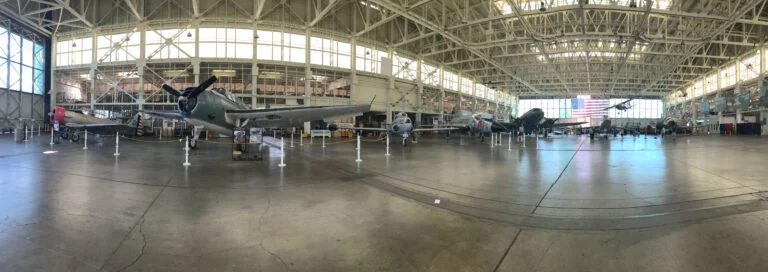
The Texas Air Museum is home to an eclectic collection of aircraft and aviation memorabilia that chart the evolution of flight in Texas and beyond. One of the most notable highlights is the preservation and display of vintage aircraft models representative of various eras, including military trainers and civilian planes that were integral to Texas’s aviation history. The museum’s ability to showcase actual restored planes alongside detailed informational placards adds depth to the visitor experience, effectively bridging the gap between historical narrative and tangible artifacts.
Complementing the aircraft are exhibitions focusing on notable Texan aviators and their contributions to the development of flight, military operations, and aerospace innovation. The inclusion of comprehensive multimedia presentations and historical photographs enriches these stories, helping to humanize the technological achievements.
Additionally, the museum features an extensive archive of aviation documents, pilot uniforms, flight instruments, and relics from key moments in Texan aviation history, such as World War II pilot training programs conducted in the state. The thoughtful organization of these exhibits offers a layered understanding of how aviation intersected with economic, social, and military facets of Texan life.
Visitor Experience
The Texas Air Museum strives to balance educational content with accessibility, catering to a diverse audience including aviation enthusiasts, historians, students, and families. The layout of the museum is logically structured, enabling visitors to navigate through chronological and thematic exhibits with ease. Clear signage and well-written descriptive panels provide valuable context without overwhelming the traveler with jargon, making the museum approachable for both casual visitors and those seeking in-depth knowledge.
The museum staff are known to be friendly and knowledgeable, ready to assist visitors with questions or to offer additional insights into exhibits. Interactive elements, while somewhat limited compared to larger institutions, are thoughtfully incorporated to engage younger visitors and foster hands-on learning. The museum’s modest scale contributes to a more intimate atmosphere where visitors can spend time appreciating individual displays without feeling rushed or crowded.
Another notable aspect is the museum’s emphasis on regional relevance, which gives visitors a distinct sense of place and identity linked to Texas’s aviation story. While some displays could benefit from augmented multimedia enhancements or expanded explanatory content, the existing interpretive approach remains compelling and informative.
Tickets, Access, and Planning
Ticketing at the Texas Air Museum is straightforward, with reasonable admission fees that ensure the museum remains accessible to a broad audience. Discounts are often available for seniors, students, and groups, encouraging educational visits and family participation. The museum’s operating hours are published clearly, with updates provided on their official channels to ensure visitors can plan accordingly.
Accessibility is a strength of the museum, with provisions made for visitors with disabilities, including wheelchair access and assistance upon request. The physical layout of the museum accommodates mobility aids comfortably, although some outdoor displays may present minor challenges depending on weather conditions.
For those traveling from outside Ransom Canyon, the museum’s location is relatively easy to reach via personal vehicle, with ample parking provided onsite. Public transportation options in the region are limited, so planning for private transport is advisable. The official museum website offers essential information regarding hours, parking, and onsite facilities, which is helpful for visitors seeking to make the most of their trip.
Final Verdict
The Texas Air Museum in Ransom Canyon presents a well-curated and regionally significant exploration of aviation history that appeals to a broad audience range. Its collections and exhibits provide a valuable snapshot of Texas’s role in the broader aerospace narrative, balancing historical preservation with educational programming. While the museum’s intimate scale may limit the breadth of its offerings compared to larger, metropolitan aviation museums, it compensates with a focused, heartfelt tribute to local contributions and achievements.
Visitors interested in aviation, history, or regional heritage will find a rewarding experience here, enjoying authentic artifacts, engaging stories, and accessible interpretive content. The museum’s dedication to preserving Texan aviation history ensures its relevance not only as a repository of the past but also as an educational resource inspiring future generations. For those planning a visit to West Texas or with an interest in aviation, the Texas Air Museum remains a noteworthy destination worthy of inclusion on the itinerary.