Technik Museum Speyer Review
UNESCO Museums · Speyer, Germany. The Technik Museum Speyer is located in the city of Speyer, Germany, and forms part of the broader group of museums focused on technological history and industrial heritage in the region. Established in the…
UNESCO Museums · Speyer, Germany. The Technik Museum Speyer is located in the city of Speyer, Germany, and forms part of the broader group of museums focused on technological history and industrial heritage in the region. Established in the…
Best forMuseum lovers, culture travelers, first-time visitors
Review focusCollections, visitor experience, and practical planning
Historical Context
The Technik Museum Speyer is located in the city of Speyer, Germany, and forms part of the broader group of museums focused on technological history and industrial heritage in the region. Established in the early 1990s, the museum reflects the German tradition of curating industrial and transport technologies within former or specially designed spaces dedicated to preserving and presenting machinery and vehicles of various eras. Speyer’s museum is linked institutionally and thematically to the Technik Museum Sinsheim, sharing a focus on large-scale exhibits that document not only the evolution of technology but also its impact on society and daily life.
Its foundation responded to a growing public interest in the preservation of technological artifacts that would otherwise have been lost to modernization and recycling. The museum has since aimed to serve enthusiasts, educational groups, and general visitors by offering a tangible link to technological progress in aviation, automotive history, maritime engineering, and space exploration. Situated in a region with a rich industrial past, the Technik Museum Speyer enters into a dialogue with Germany’s broader heritage in mechanical engineering and transportation development in the 20th century and beyond.
While the museum is relatively young compared to national historical institutions, it has carved a niche through its emphasis on substantial exhibits, some of which have become signature attractions in Europe. Its approach is not merely to display machines but to situate them in contexts that encourage reflection on how technology shapes human experience. The museum’s growth over the decades is marked by several major acquisitions that have filled its halls with items of notable technical and historical interest.
What You See on Arrival
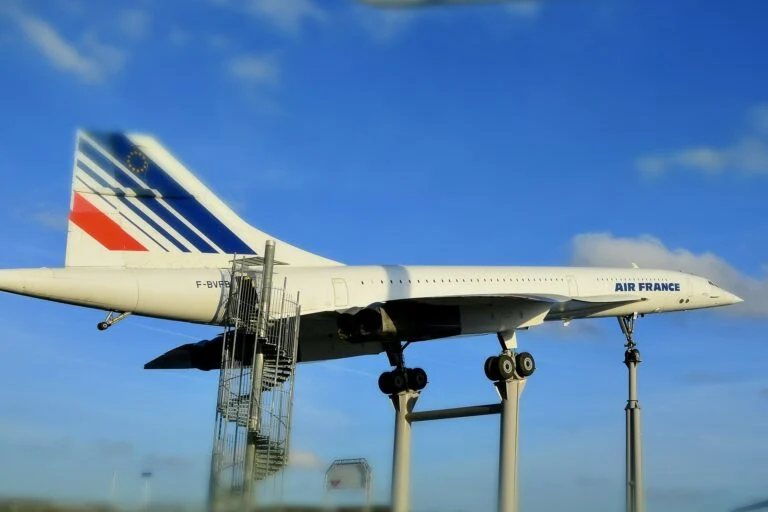
Visitors approaching the Technik Museum Speyer are greeted by one of the more distinctive sights in museum curation: a fully preserved and sometimes accessible Boeing 747 airliner and other large machines prominently displayed outside or near the entrance. This immediately establishes the museum’s focus on the scale and physical presence of technology as a starting point for engagement. The visual impact of such large artifacts is the museum’s immediate statement—technology is not an abstract concept here but something substantial and tangible.
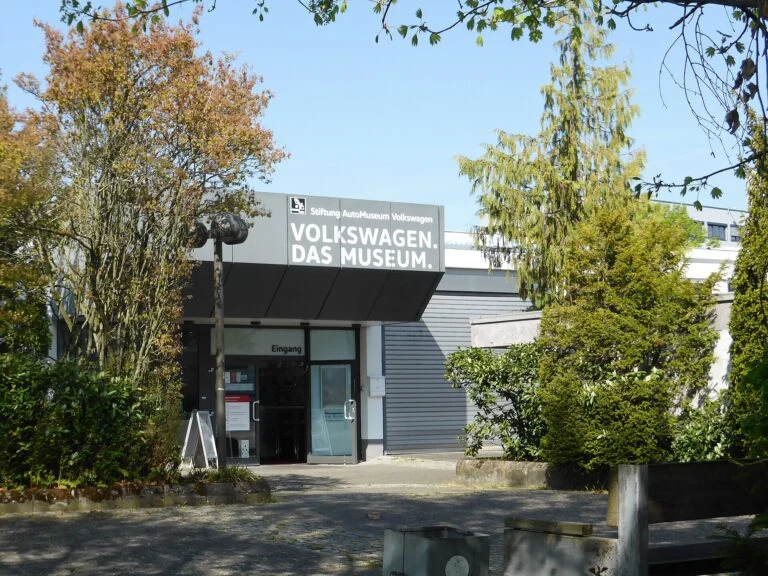
The building complex itself is large and industrial in character, designed pragmatically to handle the size and weight of the exhibits. The entrance area sets a direct tone without ornamental distraction; from the outset, the museum presents itself as a space for exploration of practical inventions and engineering feats rather than a venue for fine art or traditional history. This framing shapes visitor expectations: one arrives anticipating direct encounters with machines and devices, not interpretive or artistic installations.
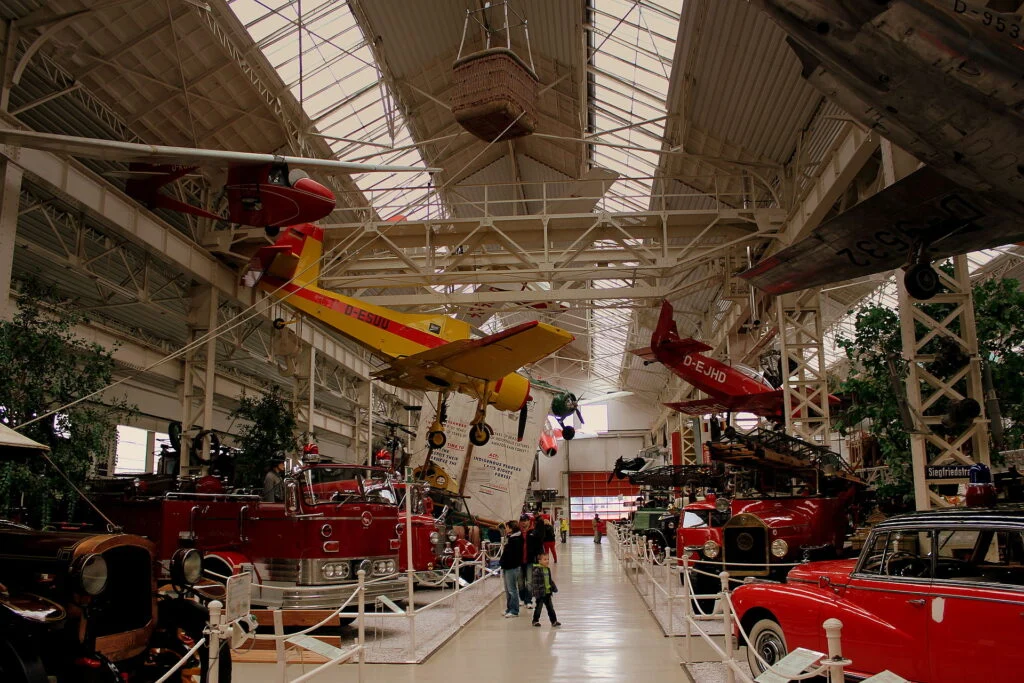
Inside, the museum arranges its exhibitions with an emphasis on clear categorization according to technological categories such as aviation, maritime, automotive, and space travel. The large hangar-like spaces afford room for sizable objects, avoiding the cramped feel that can sometimes mar collections of heavy equipment. The museum’s exterior displays, including aircraft, locomotives, and sometimes maritime vessels, reinforce its commitment to large-scale preservation.
While geared primarily towards enthusiasts of mechanical and transport technologies, the museum’s exterior and entrance presentation also function as a strong lure for families and general visitors curious about the physical dimensions of technology that shaped the modern world.
Highlights and Key Exhibitions
The Technik Museum Speyer is best known for its extensive collections of aircraft, locomotives, automobiles, and maritime vessels, each carefully preserved to illustrate milestones in their respective fields. The museum’s aviation section prominently features several aircraft types ranging from early propeller planes to modern jets, including a converted Lufthansa Boeing 747. Uncommonly, visitors can enter the 747 to explore cockpit, cabin, and cargo areas, providing a rare opportunity for direct interaction with a jumbo jet outside the commercial airport environment. This hands-on experience offers insight into the scale and complexity of civil aviation, underscoring the extent to which such machines serve as moving cities in the sky.
In addition to the 747, the aviation exhibits include military and civilian planes from the Cold War era and earlier. These are displayed with technical explanations and historical context that trace the technological advances in aerodynamics, propulsion, and avionics. The collection emphasizes not only the machines themselves but also their roles in transportation, defense, and exploration.
The automotive section showcases a broad spectrum of classic and historic vehicles, including notable German makes such as Mercedes-Benz and Opel. The focus is less on luxury and more on the developmental story of motor vehicles in terms of design, engineering innovations, and their shifting function in society. Here, visitors can see small motorcycles, historic trucks, and racing cars arranged to demonstrate technological progress and diversity in automotive engineering.
Another major component of the museum is the maritime exhibit, which features several large vessels or components of ships. This area displays steam-powered and diesel-powered craft, illustrating the evolution of marine propulsion and navigation. The museum occasionally includes submarines or smaller boats that can be explored internally, giving visitors first-hand impressions of maritime technology and life on board.
Space technology is a more recent focus for the museum and is represented notably by the full-scale mockup of the Russian space shuttle Buran. This exhibit, unusual in European museums outside Russia, offers insights into late 20th-century aerospace engineering and the political and technological rivalry of the space era. Though the Buran itself never entered space, its technological implications and place within the history of space exploration are clearly detailed.
Throughout the museum, the emphasis remains on machines that function as tools to improve transportation and mobility. Exhibits aim to explain the principles behind the technology but also to contextualize its impact on society and global connections. Models, interactive stations, and detailed signage supplement the main exhibits, offering layered information suitable for both casual visitors and those seeking deeper understanding.
Visitor Experience
The Technik Museum Speyer is designed primarily for visitors with an interest in technology, transportation, engineering, or industrial history. Its large-scale exhibits appeal strongly to families, technical students, and enthusiasts of mechanical objects. The museum’s layout facilitates free exploration, allowing visitors to move from aviation to maritime or automotive themes without a fixed linear path. This flexibility caters well to varied visitor interests, although the sheer size of the site and exhibits might be overwhelming or less engaging for those with limited patience for detailed technical explanation.
Interpretive materials are generally clear and informative, providing context that helps visitors understand the evolution and significance of individual machines and technologies. However, the volume and technical density of information can require careful pacing for those unfamiliar with engineering concepts. While signage includes historical background and technical details, it does not often extend to critical or social perspectives on technology’s broader implications. Visitors expecting more interpretive or thematic narrative might find this approach somewhat limited.
The ability to enter certain exhibits, such as the Boeing 747 or spacecraft mockups, adds a distinctive experiential dimension compared to museums with display-only collections. This interaction with the physical scale and internal components of machines is a significant advantage, making the technology feel immediate and concrete rather than purely visual.
One consideration for visitor flow is the museum’s expansive spaces and the physical demands of moving between exhibits, some of which are outside or require significant walking. While not generally inaccessible, some visitors might find the scale and scope challenging in a single visit. Planning time and energy accordingly will enhance the experience.
Regarding its audience, the museum is inclusive but best appreciated by those with some interest in technology or history of transport. Younger children may enjoy the visual and tactile aspects but could benefit from additional services such as guided tours or tailored educational materials, if available. The museum’s focus on large vehicles and machines likely appeals less to visitors seeking traditional fine art or general cultural history.
Tickets, Access, and Planning
Potential visitors to the Technik Museum Speyer should verify current details related to opening days, ticket prices, and access arrangements through the museum’s official website before planning a visit. Information about guided tours, audio guides, accessibility features, on-site amenities, and any restrictions is subject to change and should be confirmed directly with the institution.
The museum’s location in Speyer is accessible by regional transportation, although travelers should review the most recent travel options and routes. On-site facilities for parking or transport connections may be present but vary over time. Visitors with mobility concerns should specifically check what accommodations are in place, especially considering the large outdoor exhibits and extensive walking areas.
Given the scale of the museum and the variety of its collections, setting aside sufficient time to explore without rush is advisable. Individual interest level will determine whether a single visit or return visits are most appropriate.
Final Verdict
The Technik Museum Speyer is a significant institution for those interested in the development and tangible presence of transportation and industrial technology. Its strength lies in large, authentic exhibits presented with technical clarity and contextual information that suit mechanically minded visitors and families inclined toward engineering history. The opportunity to physically explore aircraft interiors and substantial machines distinguishes it from many other technology museums that rely heavily on display cases and static models.
It is not a general history museum and offers limited interpretive framing from social, cultural, or critical perspectives. Visitors seeking a richly contextualized narrative about technology’s societal impacts might find this museum’s approach somewhat straightforward and focused primarily on the artifacts themselves. Yet for those looking to see and touch the machines that shaped 20th-century transport and industrial developments, the museum meets its objective well.
Future visitors should prepare for a physically extensive visit and check practical details before going. The museum’s size and holdings make it a rewarding experience for anyone with an interest in technical heritage, although its somewhat specialized focus might not captivate every casual museumgoer.
Overall, the Technik Museum Speyer stands as a noteworthy destination within Germany’s constellation of technology museums, reflecting a sincere commitment to preserving and displaying monumental transport and machinery. It holds a solid position as a repository of tangible technological history with clear and accessible presentation, suitable primarily for visitors intrigued by mechanical innovation and industrial heritage.