Sorolla Museum Review
Art Museums · Madrid, Spain. The Sorolla Museum in Madrid stands as a testament to the life and work of Joaquín Sorolla y Bastida, one of Spain’s most cherished painters of the late 19th and early 20th centuries. Sorolla’s…
Art Museums · Madrid, Spain. The Sorolla Museum in Madrid stands as a testament to the life and work of Joaquín Sorolla y Bastida, one of Spain’s most cherished painters of the late 19th and early 20th centuries. Sorolla’s…
Best forMasterpieces, architecture, cultural history
Review focusCollection highlights, building, visitor flow
Historical Context
The Sorolla Museum in Madrid stands as a testament to the life and work of Joaquín Sorolla y Bastida, one of Spain’s most cherished painters of the late 19th and early 20th centuries. Sorolla’s luminous art captured the vibrant light and colors of Spain with exceptional vitality, focusing largely on landscapes, seascapes, and portraits. The museum is uniquely housed in the artist’s restored home and studio, offering an intimate glimpse into his personal and creative world. Established in 1932, following Sorolla’s death, the museum preserves not only his works but also the environment that inspired them. Beyond serving as a repository for over a thousand paintings, drawings, and personal artifacts, the museum also reflects early 20th-century architectural and decorative styles, creating a cohesive narrative around Sorolla’s artistic vision and lifestyle in Madrid during a turning point in Spanish art history.
What You See on Arrival
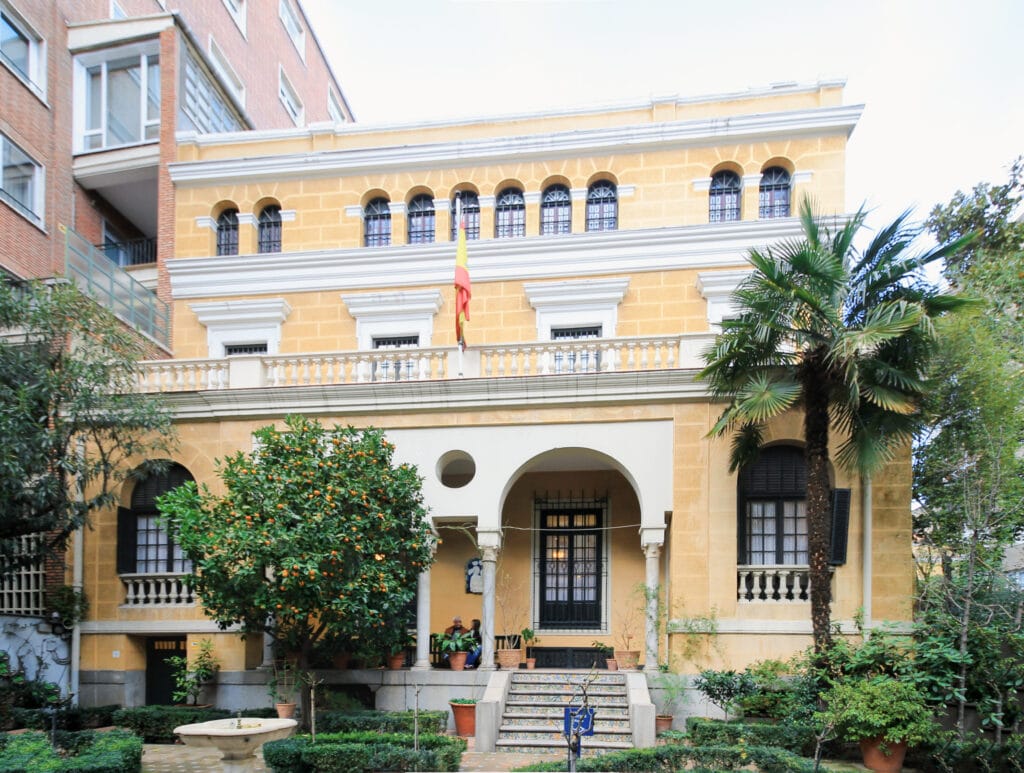
Arriving at the Sorolla Museum in Madrid, visitors are immediately struck by the peaceful atmosphere of the residential neighborhood in which it is situated. The facade is relatively modest and refined, with the white walls and greenery suggesting the simplicity and elegance that characterized Sorolla’s own aesthetic preferences. Visitors typically approach through a charming garden that serves both as a buffer from the cityscape and a quiet introduction to the artist’s fascination with natural light and outdoor scenery. The garden itself is carefully maintained, home to citrus trees and flowering plants, evoking the Mediterranean environment so often depicted in Sorolla’s paintings. This outdoor space sets the tone for the interior, blending domestic life with artistic creation in a seamless flow. The entrance, discreet rather than grandiose, invites a more contemplative experience rather than a spectacle.
Highlights and Key Exhibitions
The Sorolla Museum’s permanent collection remains the highlight and main draw, centered on the extraordinary personal collection inherited from the artist’s family. Visitors have access to the artist’s luminous canvases arranged throughout the house as they would have appeared during his lifetime. Standing out are some of Sorolla’s most iconic works, including vibrant beach scenes that showcase his deft handling of sunlight and human figures in natural settings. The museum also preserves a significant number of intimate portraits, including those of Sorolla’s wife and daughter, which reveal the softer, more private side of the artist’s oeuvre. The studio where Sorolla worked is itself an exhibition, allowing visitors to appreciate the scale and technique behind some of his acclaimed pieces. Additionally, the collection of sketches and preliminary drawings offers insight into the artist’s process, revealing the careful preparation behind apparently spontaneous brushwork. Wall colors, decor, and furnishings replicate early 20th-century domestic interiors, augmenting the sense of historical context and providing a rare opportunity to experience an artist’s home preserved in close-to-original condition. There is a definite emphasis on light, both in the art and the physical space, underscoring Sorolla’s enduring preoccupation with its changing effects.
Visitor Experience
The visitor journey through the Sorolla Museum is intimate and contemplative, allowing for a close connection with the artworks and the artist’s personal world. The house is relatively small by museum standards, which encourages a slow, focused exploration without the pressure of crowds commonly found in larger institutions. Informational plaques and multimedia guides offer detailed background on individual works, techniques, and historical significance, although the museum maintains a quiet elegance, avoiding an overwhelming abundance of explanatory material. Staff are generally knowledgeable and attentive, generally enhancing the visitor experience with insightful commentary when requested. The lighting inside the museum is thoughtfully arranged to complement Sorolla’s paintings and mimic natural daylight, reinforcing the central theme of light in his work. Photography rules are clear and aimed at preserving the atmosphere and artworks’ integrity. The garden and terrace spaces provide restful areas for reflection and offer a pleasant contrast to the interior’s densely curated walls. Though smaller in scale, the museum’s layout and presentation provide a comprehensive portrait of Sorolla’s artistry and life.
Tickets, Access, and Planning
Ticketing at the Sorolla Museum is straightforward, with options available for purchase online and at the venue. Admission prices are moderate and offer good value, particularly when compared to larger museums in Madrid. Reduced rates apply to students, seniors, and certain professional groups, ensuring accessibility to a wide audience. Free entry is granted on specific days or times, an opportunity well worth exploring for budget-conscious visitors. The museum is conveniently located in Madrid’s Chamberí district, easily reachable via public transportation, including bus and metro lines. There is limited parking nearby, reflecting the central urban setting. Physical access is relatively good, with accommodations made for visitors with reduced mobility, though the historic nature of the building imposes some constraints on full accessibility in every area. Visitors are advised to plan at least one to two hours to fully appreciate the house, collection, and garden at a relaxed pace. Information on guided tours and special educational programs is available through the museum’s official website, catering both to casual visitors and scholars.
Final Verdict
The Sorolla Museum offers a deeply enriching experience for those interested in Spanish art and the early 20th-century cultural milieu. It stands apart from the larger, more institutional museums in Madrid by providing an intimate, residential setting that connects visitors directly with the artist’s personal narrative and creative environment. The balance between artwork, domestic space, and garden creates a unique atmosphere where Sorolla’s technique and themes—light, nature, and family—resonate harmoniously. While not expansive, the collection is comprehensive enough to convey the artist’s artistic evolution and enduring legacy. The museum’s careful curation and preservation efforts allow it to function as both an art museum and a cultural landmark. Its modest scale may not satisfy those seeking vast collections or blockbuster exhibitions, but it compensates with depth and focus. For visitors seeking to understand one of Spain’s foremost painters in an authentic and evocative setting, the Sorolla Museum delivers a memorable and educational experience.