Skansen Review
Open-Air Museums · Stockholm, Sweden. Skansen, located on the island of Djurgården in Stockholm, is recognized as the world’s oldest open-air museum, established in 1891 by Artur Hazelius. Its foundation marked an early effort to preserve and present traditional…
Open-Air Museums · Stockholm, Sweden. Skansen, located on the island of Djurgården in Stockholm, is recognized as the world’s oldest open-air museum, established in 1891 by Artur Hazelius. Its foundation marked an early effort to preserve and present traditional…
Best forMuseum lovers, culture travelers, first-time visitors
Review focusCollections, visitor experience, and practical planning
Historical Context
Skansen, located on the island of Djurgården in Stockholm, is recognized as the world’s oldest open-air museum, established in 1891 by Artur Hazelius. Its foundation marked an early effort to preserve and present traditional Swedish culture at a time when rapid industrialization threatened many rural ways of life. Hazelius envisioned a living history museum where visitors could experience folk culture, architecture, and crafts as they existed across Sweden in the 19th and early 20th centuries. Over the decades, Skansen has expanded from a modest collection of relocated buildings to a comprehensive cultural institution, including a zoo featuring Nordic fauna.
The museum’s historical mission remains relevant today, functioning as a repository of rural heritage and ethnographic documentation amid the urban environment of Stockholm. Unlike conventional museums that focus primarily on artifacts and displays, Skansen offers an experiential form of cultural history, aiming to portray daily life in Sweden’s past through reconstructed villages, craft demonstrations, and seasonal festivals. While the site has adapted and modernized its presentation, its core identity as an emblem of Swedish heritage preservation continues to shape its exhibitions and public programming.
What You See on Arrival
Approaching Skansen, visitors are first met with a clear shift from the city’s contemporary urban landscape to a setting intended to evoke the Swedish countryside and small-town environments of earlier centuries. The museum sprawls over 75 acres, providing a spacious, park-like atmosphere where historic wooden houses, farmsteads, and workshops are organized by region and period. Visitors encounter artisans at work, animals native to northern Europe, and gardens maintained according to traditional horticultural practices.
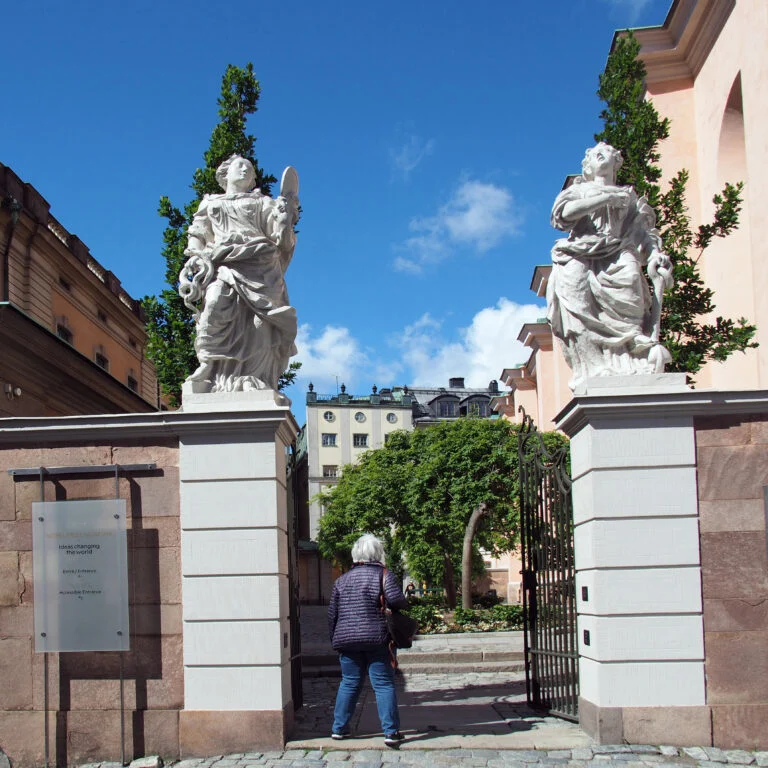
The entrance area itself, while functional, hints at the experience inside — a large gateway framed by rustic architecture and signage that stresses tradition and culture. The layout invites visitors to wander through open-air streets and squares rather than follow a strict linear path, emphasizing exploration and discovery. This framing underlines Skansen’s dual identity as both a museum and a heritage park, where objects, architecture, and living demonstrations are integrated to showcase the rhythms of historic Swedish rural life.
Highlights and Key Exhibitions
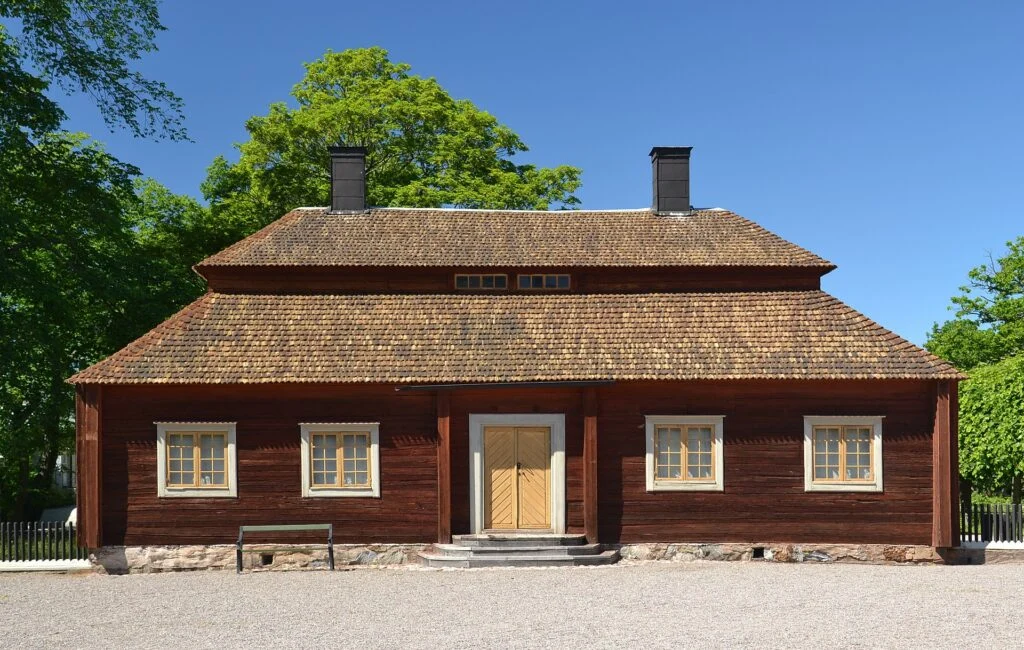
Skansen’s primary strength lies in its extensive collection of historic buildings transplanted from various parts of Sweden. Each structure serves as a tangible link to the social, economic, and regional diversity of Swedish history. Visitors can explore a variety of traditional homes, including farmhouses, manors, and cottages, alongside community buildings such as a church, school, police station, and a post office. This architectural diversity offers insight into different class and occupational groups, as well as regional variations.
The museum’s longstanding emphasis on craft traditions is evident in the regularly staffed workshops where blacksmiths, bakers, glassblowers, and textile workers perform period-appropriate techniques. These demonstrations offer a hands-on element that brings the rural economy to life and illustrates the skills once essential to everyday survival and trade. While some visitors may find these workshops quaint or nostalgic, they provide useful context for understanding how pre-industrial communities functioned.
Skansen’s zoo complements the ethnographic narrative by featuring Nordic wildlife such as moose, bears, lynx, and various bird species from Scandinavia’s forests and mountains. The presence of these animals reinforces the connection between people, landscape, and environment—an important theme in Swedish cultural identity. However, the zoo should not be seen as a large or modern zoological facility; it operates more as a natural history exhibit coherent with the museum’s historical framing.
Seasonal festivals and events, often based on Swedish folk traditions, are an integral part of the museum’s calendar and offer additional layers of cultural experience. These may include midsummer celebrations with traditional dances and costumes, Christmas markets, and harvest festivals. Although not permanent exhibitions, these events contribute to the site’s role as a living tradition center, offering visitors an opportunity to see customs still practiced in parts of Sweden today.
While Skansen excels in presenting Swedish cultural heritage up to the early 20th century, contemporary or urban developments in Swedish history receive limited attention. The museum’s focus remains firmly rooted in rural folk culture and ethnography, which may not fully satisfy visitors looking for a broader socio-political or modern historical perspective.
Visitor Experience
Navigating Skansen involves moving across a large and varied site, which can be both rewarding and demanding. The open layout encourages self-directed exploration, allowing visitors to tailor their experience according to interest and pace. However, the size can be daunting for some, especially visitors with mobility issues or those expecting a more contained indoor museum experience. Pathways between buildings and areas can be uneven or exposed to weather, with varying degrees of signage clarity directing visitors through the settlement groups.
Interpretation throughout the museum relies heavily on informational panels at each building, alongside staff or volunteers who may engage with visitors and offer demonstrations. Much of the content assumes a general interest in Swedish culture and history but can occasionally lean on a folkloric tone rather than critical or analytical commentary. English translations are typically available, though the depth and accessibility of explanations can vary.
The museum’s educational approach emphasizes experiential learning—visitors observe traditional crafts, see historic domestic interiors, and engage directly with cultural practices. This method suits families, school groups, and cultural tourists keen on a tactile, visual immersion rather than a text-heavy presentation. However, those seeking detailed academic perspectives or in-depth historical critique might find the interpretive focus somewhat superficial.
The adjacent Nordic animals provide a quieter, less crowded section of the museum, appealing to children and animal enthusiasts. This component helps diversify the experience but feels somewhat separate from the main human cultural narrative. Overall, visitors should allow a flexible timetable to accommodate both walking and rest, adjusting their route and interests as they proceed.
Tickets, Access, and Planning
Prospective visitors should consult Skansen’s official website for the most current information regarding admission policies, opening hours, guided tours, accessibility, and any seasonal variations in programming or services. The museum is known to attract local visitors on weekends and during holidays, so planning a visit during weekdays or off-peak times might provide a more relaxed experience.
Skansen’s large outdoor layout means weather considerations are important. Open-air exhibitions and animal enclosures can be less comfortable in cold or rainy conditions. Visitors should prepare accordingly with suitable clothing and footwear. The site’s size also demands a reasonable level of physical mobility, which could limit full participation for some visitors.
While entrance points and signage facilitate navigation, first-time visitors may benefit from gathering maps or guides in advance. Availability of guided tours and audio guides cannot be guaranteed without checking official resources, as these services might fluctuate seasonally or due to staffing.
For those arriving by public transport, Skansen is accessible from the city center by bus or tram. Parking options for private vehicles should also be verified for convenience, as this can affect combined visits with other nearby attractions on Djurgården island.
Final Verdict
Skansen remains a distinctive institution whose longevity and ambition to preserve Swedish folk culture in a vividly tangible form are central to its significance. It succeeds especially well in recreating the atmosphere of rural Sweden before modernization, providing an accessible and visually rich cultural experience through historic architecture, craft demonstrations, and wildlife exhibits. The open-air format encourages exploration and informal interaction, which suits visitors interested in cultural heritage presented in a lively and varied setting.
Nevertheless, visitors looking for comprehensive treatment of modern Swedish history, urban developments, or critical cultural analysis may find Skansen’s ethnographic and traditional focus somewhat narrow. The museum’s large outdoor setting demands practical preparation and time investment, factors that can influence accessibility and overall visitor comfort. Interpretive materials and programming lean towards general audience appeal rather than specialist depth.
In sum, Skansen offers a valuable window on Sweden’s past, especially its rural traditions and folk life, functioning as a cultural resource as well as a recreational venue. Those who come prepared to engage with history in an open-air, informal manner will find it rewarding. Careful planning and realistic expectations about the museum’s thematic range and physical layout will help maximize the experience. Readers considering a visit should check official sources directly to confirm practical details before making arrangements.