Skagens Museum Review
Intro Skagens Museum in Skagen, Denmark, is one of the strongest regional art museums in Northern Europe because it does not separate art from the place.

Intro Skagens Museum in Skagen, Denmark, is one of the strongest regional art museums in Northern Europe because it does not separate art from the place.
Best forMasterpieces, architecture, cultural history
Review focusCollection highlights, building, visitor flow
Intro
Skagens Museum in Skagen, Denmark, is one of the strongest regional art museums in Northern Europe because it does not separate art from the place that produced it. Many museums devoted to artistic schools or local movements rely on collection quality alone. Skagens Museum offers that quality, but it also gives visitors something harder to reproduce elsewhere: the chance to encounter the Skagen painters in the town where the colony formed and where the landscape still helps explain the work. That connection between museum and place is its greatest advantage.
The museum is not large in the encyclopedic sense, and that is a strength rather than a limitation. It succeeds through concentration, coherence, and atmosphere. Instead of scattering attention across too many periods and traditions, it presents a tightly connected artistic community and allows the visitor to understand how light, landscape, social life, and national culture came together in Skagen.
How the Site Works
The museum works by presenting the Skagen painters as a community rather than as isolated names. Visitors move through a collection where the relationships between artists, shared motifs, and recurring social settings become visible over time. This matters because the Skagen colony was not just a list of notable painters. It was a real artistic environment defined by collaboration, friendship, influence, and common fascination with the northern coastal setting.
The institution’s local anchoring also helps it work exceptionally well. A visit is not sealed off from the outside world. The town, the sea, the changing sky, and the other connected sites in Skagen all reinforce what is seen in the galleries. Few art museums enjoy this degree of environmental continuity between collection and setting.
Because the museum is manageable in scale, the route remains readable. Visitors can follow themes of landscape, domestic life, portraiture, and artists’ gatherings without losing focus. That clarity makes the museum rewarding both for first-time visitors and for those returning with more specific interests.
Exhibitions and Collection
The museum’s collection is the reason it matters internationally. Works by P.S. Krøyer, Anna Ancher, Michael Ancher, Laurits Tuxen, Viggo Johansen, and Marie Krøyer give the institution a real level of artistic authority. Yet what makes the collection impressive is not just the presence of famous names. It is the degree to which the museum captures the artistic logic of the colony as a whole.
You see coastal scenes, interiors, portraits, depictions of fishermen, family life, social evenings, and summer light. This range makes Skagen visible as both a real town and an imaginative construct. The paintings are rooted in observed detail, but together they also create the enduring myth of Skagen as a place of artistic fellowship and northern luminosity.
Anna Ancher’s interiors and Michael Ancher’s treatment of local figures give the museum particular depth, while Krøyer’s command of atmosphere and social composition provides some of the collection’s most immediately recognizable moments. Importantly, these works are not stranded as isolated highlights. The museum surrounds them with enough strong material to sustain a larger historical understanding.
The result is a museum where the collection feels like an argument rather than an accumulation. It argues that Skagen mattered artistically not by accident, but because the place generated an environment in which artists could rethink light, daily life, and Nordic modernity on their own terms.
Architecture / Space
Skagens Museum’s architecture and setting are more supportive than monumental, and that suits the subject. The building does not attempt to overwhelm the art with architectural theater. Instead, it provides a clear and dignified framework for looking. This allows the paintings and their shared context to remain central.
Its location in Skagen is as important as the gallery structure itself. You are constantly aware that this is not an imported narrative transplanted into an unrelated city. The museum belongs to its site, and that belonging creates a powerful interpretive advantage. A walk before or after the visit helps the collection make even more sense.
Inside, the spaces support measured attention. Visitors are not forced through a sensational sequence of immersive effects. The museum remains confident enough to let paintings, context, and local memory do the work. That restraint is a considerable virtue.
Visitor Experience
The visitor experience is one of concentration and gradual enrichment. Even visitors who arrive knowing only a few names quickly start to understand the colony’s internal relationships and artistic priorities. For those already interested in Scandinavian art, the museum offers the satisfaction of seeing important works in their natural cultural setting.
The museum is especially good for visitors who value coherence over sheer size. It is long enough to feel substantial, but compact enough to remain absorbable. That means the visit can be serious without becoming exhausting. Families, art travelers, and casual visitors can all find something accessible, though the strongest rewards come to those willing to spend time looking closely.
Another strength is the museum’s ability to connect with the rest of Skagen. Instead of ending at the gallery exit, the visit extends into the town itself, which deepens the sense that the museum is part of a living historical landscape.
Historical Context
The Skagen painters occupy a central place in Danish art history because they turned a remote northern town into an internationally resonant artistic setting. Their work belongs to broader developments in European naturalism, plein air painting, and social realism, but it also carries a distinctly Nordic quality shaped by local light and local life.
Skagens Museum preserves that history not as a nostalgic summary, but as a material archive of an actual community. This makes the museum important not only artistically but culturally. It shows how regional places can become national symbols through art, and how tourism, modern identity, and painting can reinforce each other over time.
Practical Information
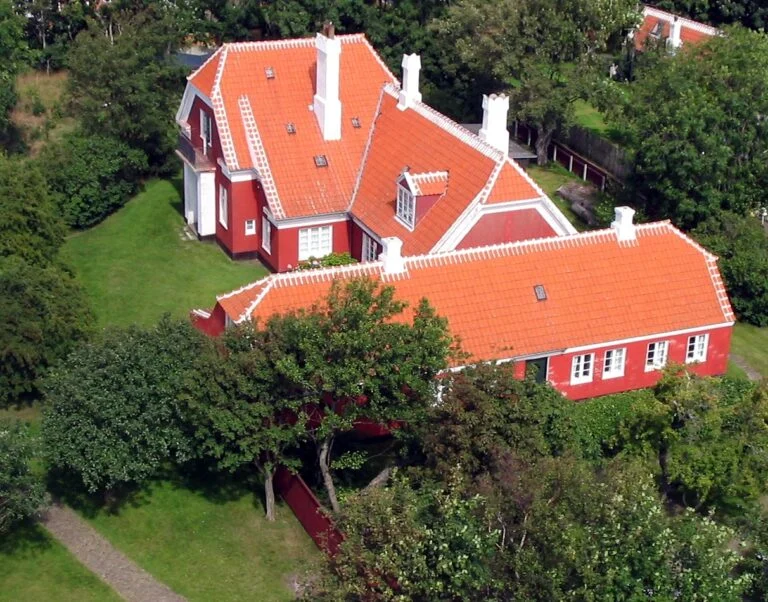
On the current schedule, the museum is open Tuesday to Sunday from 10:00 to 16:00, with Monday closed. Admission is paid and ticket options are available through the museum’s own system. Because the museum is centrally located, it is easy to combine with Anchers Hus, Drachmanns Hus, and the broader Skagen environment.
Visitors should resist the temptation to treat the museum as a quick stop for only the best-known paintings. It is more rewarding when approached as a complete artistic world. Allowing enough time to move slowly through the galleries makes a clear difference.
Final Verdict
Skagens Museum is an excellent museum because it does something many art museums cannot do: it preserves a body of work and the place that explains it at the same time. Its strengths are collection depth, historical coherence, and a setting that continuously reinforces the meaning of the paintings.
For anyone interested in Danish art, Nordic painting, or artist colonies, it is essential. For general visitors, it remains one of the most persuasive examples of how a focused museum can outperform larger institutions in memorability and interpretive clarity.
Plan your visit
Plan Skagens Museum as the anchor of a wider Skagen art itinerary. It works particularly well when paired with Anchers Hus and Drachmanns Hus, since those related sites deepen the social and domestic context of the colony. Give the museum enough time to unfold gradually, and if possible connect the visit with a walk through Skagen afterward so that the landscape, light, and town structure can continue the story begun in the galleries.