Bornholm Railway Museum Review
Railway Museums · Nexø, Denmark. The Bornholm Railway Museum, situated in the coastal town of Nexø on the Danish island of Bornholm, preserves the memory and legacy of a local rail network that played a crucial role in the…
Railway Museums · Nexø, Denmark. The Bornholm Railway Museum, situated in the coastal town of Nexø on the Danish island of Bornholm, preserves the memory and legacy of a local rail network that played a crucial role in the…
Best forTrain lovers, engineering history, family visits
Review focusRailway collections, locomotives, and visitor planning
Historical Context
The Bornholm Railway Museum, situated in the coastal town of Nexø on the Danish island of Bornholm, preserves the memory and legacy of a local rail network that played a crucial role in the island’s development during the early 20th century. Bornholm’s railways were unique in Danish transportation history, operating as a closed system on an island separated from the mainland. The network was established in the early 1900s and served as a vital link for both passenger and freight transport, supporting local industry, agriculture, and tourism until its closure mid-century. The last trains ran in the 1960s, and the tracks were subsequently dismantled, leaving the rail infrastructure on Bornholm as a relic of a bygone era.
The museum serves to document the particularities of this local railway, its technology, and its social impact on Bornholm’s communities. It contributes to understanding regional industrial heritage and the transformations brought by modern transportation technologies in more isolated communities. Though small in scale compared with metropolitan railway museums, it offers insight into how rail travel once shaped Bornholm’s economy and connectivity. The Bornholm Railway Museum is part of Denmark’s broader effort to preserve specialized transport history, reflecting a period when rail travel was central to local life and the island’s interaction with the rest of Denmark and neighboring countries.
What You See on Arrival
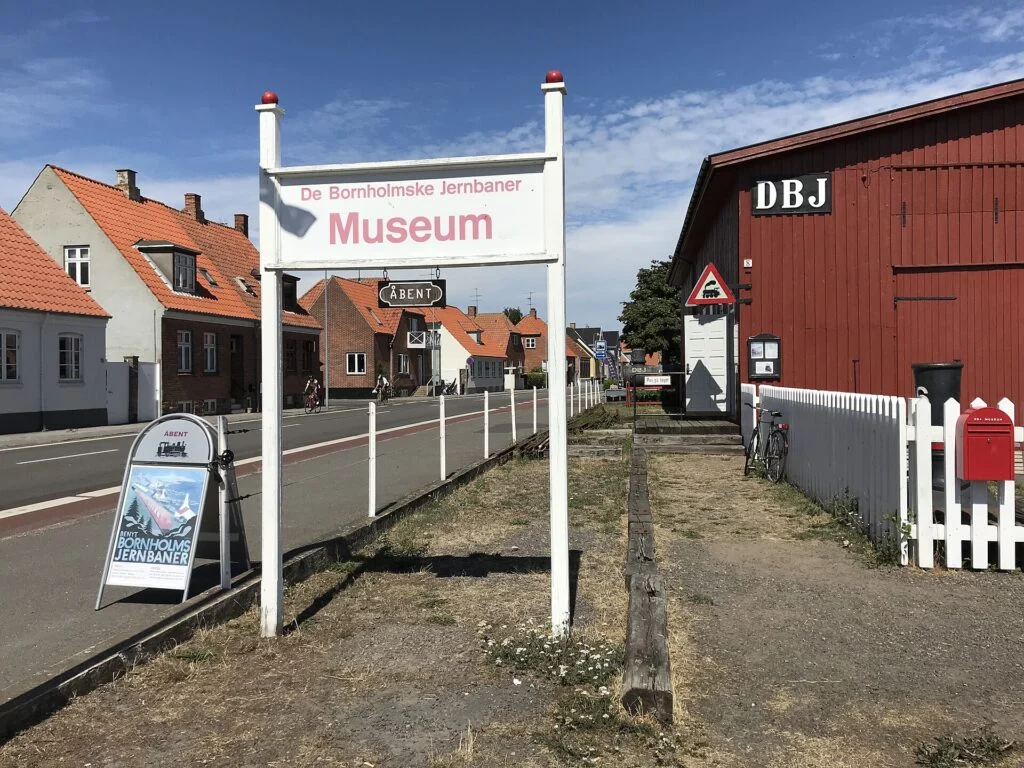
Visitors approaching the Bornholm Railway Museum in Nexø encounter a railway-themed setting consistent with the scale and character of the museum. The museum is housed in buildings that were formerly part of the railway’s operational facilities, which helps establish an authentic context from the outset. Outside, visitors are met with railway tracks, locomotives, and rolling stock preserved in open-air displays—elements that signal the museum’s focus clearly and engage those interested in railway history immediately.
The setting conveys a strong sense of place tied to the industrial past of Bornholm’s railways, with signage and exterior fittings that reflect mid-20th-century railway aesthetics. The museum’s identity is straightforward and unpretentious, emphasizing preservation and education over spectacle. This environment frames the visitor’s expectations toward an experience grounded in railway documentation and the local historic environment rather than large-scale interactive installations or high-tech presentations.
Overall, the arrival experience positions the museum as a specialized site of transport heritage with tangible artifacts laid out in a manner accessible to varied audiences. It sets the tone for a focused exploration of the Bornholm rail system, inviting curiosity about the equipment on display and its operational context within the island’s history.
Highlights and Key Exhibitions
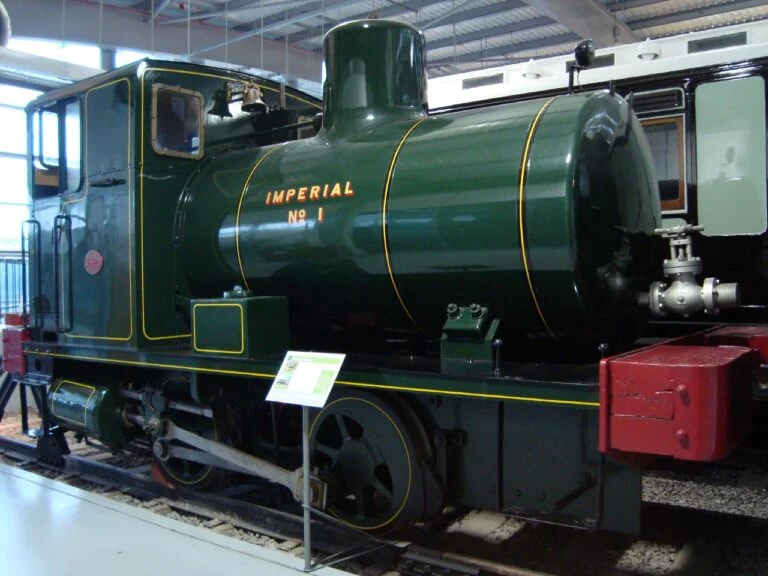
At Bornholm Railway Museum, the core of the collection consists of preserved locomotives and railway cars that once plied the local lines. These physical artifacts serve as the museum’s principal attractions. Among notable pieces are steam and diesel locomotives representative of the types used historically on Bornholm, offering tangible insights into the technological progression and operational capacities of the island’s railways.
The rolling stock includes passenger carriages, freight wagons, and service vehicles that illustrate the functional diversity of the rail network. These exhibits provide a window into the daily workings of the railway, emphasizing the role it played beyond mere passenger transit, particularly in transporting goods crucial to Bornholm’s economy. The engineering behind the locomotives, such as boiler configurations and mechanical drive systems, is often highlighted through exhibit labels and reference materials.
The museum also addresses the infrastructure that supported the rail lines, featuring signals, ticketing equipment, signage, and other railway paraphernalia. These smaller artifacts are important for understanding the operational environment and the experience of railway personnel and passengers during the railway’s active years.
Documentation panels, photographs, and maps supplemented throughout the museum help situate the machinery within a broader historical narrative. These visuals trace the expansion and eventual decline of the Bornholm rail networks, outlining their routes, the communities served, and key dates in the railway’s history. The narrative pays attention to social aspects, such as how the railways influenced daily life, travel habits, and economic patterns on the island.
While the museum’s collection is rightly centered on Bornholm’s unique railway heritage, it does not attempt to cover rail transport beyond this specific context. Visitors looking for a comprehensive overview of Danish national railway history or contemporary rail developments will find the scope deliberately limited. This can be a strength for those focused on Bornholm specifically, but a limitation for those seeking more extensive or comparative railway studies.
Visitor Experience
The visitor experience at the Bornholm Railway Museum tends to be straightforward and factual. The pacing is self-directed, with visitors encouraged to explore the outdoor displays of locomotives and carriages at their own pace before proceeding indoors to examine smaller artifacts and accompanying interpretive materials. The layout facilitates close physical inspection of the machinery, which is a key appeal for railway enthusiasts and technically minded visitors interested in engineering and historic industrial technology.
Interpretation is largely text-based, relying on clear explanations and historical photographs to convey information. This approach suits visitors who appreciate reading detailed descriptions, but may feel less engaging to those preferring interactive or multimedia formats. The museum’s straightforward curatorial style focuses on facts and context rather than thematic storytelling or theatrical presentation.
Families with children may find the collection interesting for its visual appeal—especially the locomotives—but the absence of dedicated children's activities or interactive learning stations means younger visitors might require supplementary engagement from adults to fully appreciate the displays.
The site’s outdoor character also means that weather conditions can affect visitor comfort and access to parts of the exhibitions. Given Bornholm’s climate variability, visitors should prepare accordingly, although this also enhances the authenticity of experiencing railway artifacts in the environment where they once operated.
Overall, the museum aligns best with visitors who have a specific interest in railway history, local Bornholm heritage, or industrial technology. It may present less frequent appeal to those seeking broader cultural or contemporary transport discussions, or those expecting a more gallery-focused experience with extensive explanatory programming.
Tickets, Access, and Planning
Visitors planning a trip to the Bornholm Railway Museum should consult official sources for current practical information. The museum’s small size and specialized focus suggest a visit that can be integrated into a broader itinerary around Bornholm or Nexø. As with many smaller museums, opening hours and admission details may vary seasonally or depend on local schedules, so prior verification is recommended.
The museum’s location in Nexø makes it accessible by regional transport options, though visitors should account for transit connections on the island, which might not be as frequent as in larger urban centers. Those traveling by car should check parking availability and local traffic conditions.
Accessibility information is not prominently detailed in general sources, and given the outdoor setting with locomotives and rail cars to inspect, some mobility considerations may apply. Visitors with particular needs are advised to inquire directly with museum staff or on the official website before arrival.
Additional visitor services such as guided tours or audio guides have not been consistently reported, and visitors should plan accordingly to maximize their understanding through provided signage and literature.
Final Verdict
The Bornholm Railway Museum serves an important role in preserving and presenting the specific railway history of an island region where rail transport was once a vital infrastructure element. Its strength lies in its focused collection of authentic locomotives, rolling stock, and railway equipment that vividly represent the operational realities of Bornholm’s rail system.
For enthusiasts of railway technology and local heritage, the museum offers a solid, coherent presentation that brings to life a historical chapter of Danish regional transport history often overshadowed by larger national narratives. The accessibility of large artifacts and the external setting contribute to an environment conducive to direct engagement with physical history.
However, the museum’s specialized scope also imposes limitations. The absence of broader comparative context or extensive interpretive programming may limit its appeal to casual visitors or those expecting interactive experiences. Weather dependence and the largely text-based interpretation style can also constrain the visit for some audiences.
Ultimately, the Bornholm Railway Museum should be viewed as a resource for understanding local historical transport on Bornholm, rather than a comprehensive or broadly thematic railway museum. It provides a worthwhile, factual, and tangible encounter with a distinct regional railway heritage that adds texture to the history of Danish transport, but visitors are advised to plan their visit carefully and consult official channels to align expectations with the museum’s particular scale and focus.