Bornholm Museum Review
Rønne, Denmark. The Bornholm Museum, situated in Rønne, Denmark, offers an insightful window into the island’s layered past. Bornholm itself occupies a unique position both geographically and historically, as a Baltic Sea island with a distinct…
Rønne, Denmark. The Bornholm Museum, situated in Rønne, Denmark, offers an insightful window into the island’s layered past. Bornholm itself occupies a unique position both geographically and historically, as a Baltic Sea island with a distinct…
Best forMuseum lovers, culture travelers, first-time visitors
Review focusCollections, visitor experience, and practical planning
Historical Context
The Bornholm Museum, situated in Rønne, Denmark, offers an insightful window into the island’s layered past. Bornholm itself occupies a unique position both geographically and historically, as a Baltic Sea island with a distinct cultural identity shaped by centuries of maritime trade, fishing communities, and various rulerships. The museum addresses the island’s evolution from prehistoric times through the medieval period and into the modern era, capturing elements of everyday life alongside broader economic and political developments.
The museum’s focus spans archaeology, local crafts, traditional housing, and Bornholm’s strategic role during different military conflicts. Bornholm’s diverse history includes early settlements reflected in relics and dwellings, the influence of the Hanseatic League on its economic life, and its occupation during various European wars in the 20th century. The collection and narrative aim to paint a rounded picture of how the island’s geography and community have shaped the region’s cultural and social heritage.
As an institution, the Bornholm Museum contextualizes its artifacts and displays both within local stories and broader Danish history. The museum’s role includes preserving unique aspects of Bornholm’s identity while allowing for comparative insights with the Danish mainland and surrounding Baltic regions. Consequently, it serves as a key cultural repository for understanding this distinctive area.
What You See on Arrival
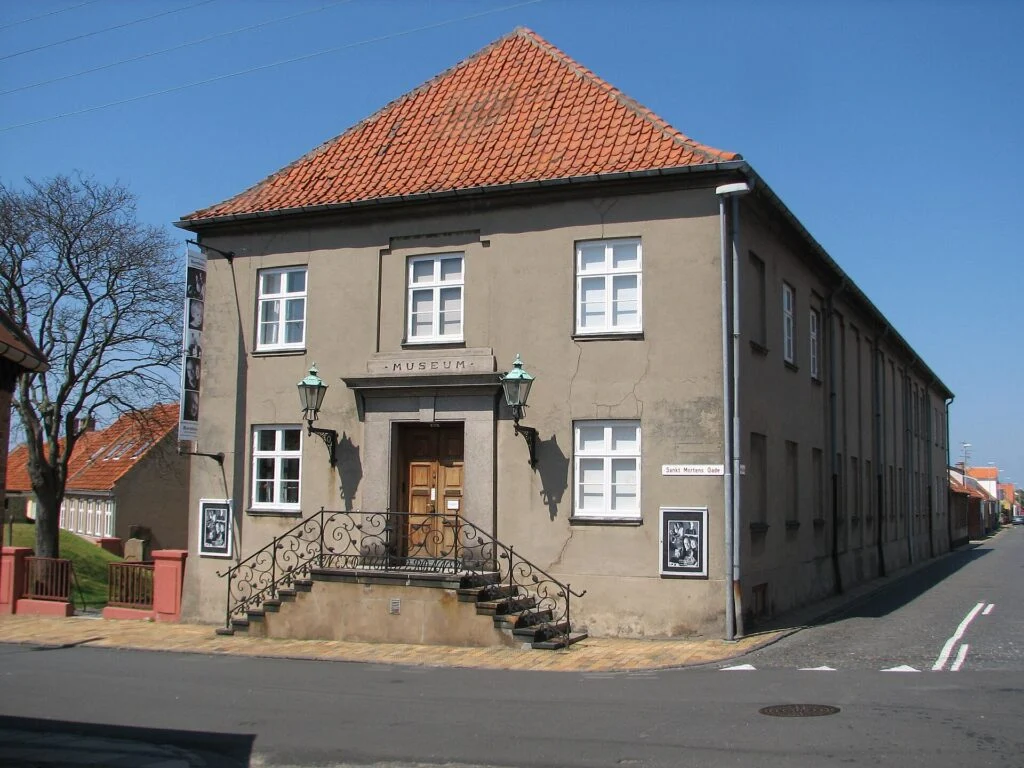
From the outside, the Bornholm Museum signals its local focus with a setting and architecture that reflect regional characteristics rather than grandiosity. Located in Rønne, the island’s principal town, the museum is housed in structures that align with traditional styles, offering visitors a sense of place before they even enter.
The entrance frames the museum as a center for exploring the lived experiences of Bornholm’s residents past and present. Instead of overwhelming visitors with large-scale objects or high-tech displays, the museum presents itself as a community-focused institution prioritizing material culture and storytelling. Its exterior and immediate surroundings suggest a grounded, approachable space where local history is valued and exhibited thoughtfully.
Upon approaching the facility, visitors likely encounter signage and introductory information that set the tone for a historical journey anchored in the island’s natural and social environment. While the museum does not present flashy or showy elements on arrival, this subtlety complements its mission of detailed, attentive curation rather than spectacle.
Highlights and Key Exhibitions
The heart of the Bornholm Museum’s appeal lies in its comprehensive exploration of the island’s cultural, social, and economic history. The collections draw heavily on archaeological finds, traditional crafts, and recreations of old Bornholm life, offering visitors a chronological and thematic understanding of the island’s heritage.
A core feature is the archaeological section, which houses relics from early settlements, including tools, pottery fragments, and other artifacts dating back to prehistoric and medieval times. These items reveal the gradual development of the island’s inhabitants, emphasizing patterns of settlement, resource use, and regional trade. Displays often contextualize these finds with maps and interpretive panels, making connections to broader Scandinavian and Baltic histories.
Complementing the archaeological displays are reconstructions of traditional Bornholm homes and workshops. These spaces demonstrate local building techniques, domestic interiors, and artisan crafts such as pottery and weaving. Such reconstructions communicate the islanders’ everyday experiences and material culture in a manner that is accessible and tangible. They give a vivid sense of domestic life and craft traditions that persisted over centuries.
The museum also includes detailed exhibits on Bornholm’s economic activities, especially fishing and agriculture, sectors that shaped the island’s social fabric. Artifacts, photographs, and tools acknowledge both historical practices and their transformation with technological change. This thematic thread connects well to studies of regional labor and environmental adaptation.
Another notable component covers Bornholm during the turbulent 20th century. The island’s strategic location meant it was involved in military events, including occupation phases and Cold War-era tensions. Exhibits on this period include documents, photographs, and military equipment that provide insight into how global events reverberated locally.
Throughout, the Bornholm Museum balances artifact display with explanatory texts, multimedia, and carefully arranged thematic spaces. This allows for both focused study and casual browsing. The emphasis tends toward depth over breadth, concentrating specifically on Bornholm’s unique character rather than a generic regional overview.
Visitor Experience
Visiting the Bornholm Museum is likely to appeal to those with a particular interest in regional history, archaeology, and Scandinavian island life. The museum’s layout and interpretive style support a patient, reflective approach rather than a rapid walkthrough. It encourages visitors to engage with objects at a detailed level and to absorb the connections between cultural practices and historical change.
The museum’s interpretive language appears clear and straightforward, serving a general audience without heavy academic jargon. This should make it accessible for families, history enthusiasts, and students. However, the focus on one island’s history means that internationally oriented visitors might find the scope somewhat specialized, which is a strength and limitation depending on one’s interests.
Pacing within the museum is likely deliberate, with spaces arranged to allow visitors to spend time in reconstructed homes and artifacts displays. There are opportunities to understand the daily routines, crafts, and social structures of past Bornholm communities. This material culture approach provides a welcome contrast to more document-heavy museums that emphasize political or military history alone.
One potential constraint is that visitors seeking a broader Danish or Baltic history context may need supplementary reading to place Bornholm’s story alongside continental developments fully. The museum anchors its narrative locally, which could limit connections to wider historical processes unless visitors already have some background.
The exhibition design focuses on a mix of original items, replicas, and interpretive media, which jointly create a tactile and narrative-oriented environment. This approach enhances engagement but may not satisfy visitors expecting technologically advanced displays or interactive exhibits. Similarly, while the museum documents conflicts and occupations of the 20th century, it does so within the broader cultural story, rather than offering a dedicated military history focus that some might seek.
Tickets, Access, and Planning
For those considering a visit to the Bornholm Museum, it is important to consult the institution’s official website for up-to-date details on opening hours, admission fees, and visitor services. Since specific operational information can change, this will ensure accurate planning.
The museum, given its location in Rønne, is accessible by local transportation options common on Bornholm Island but may require prearranged travel connections if coming from the Danish mainland or other regions. Visitors should confirm transportation and accessibility details as part of their itinerary.
Additionally, information on tours, audio guides, or special programs should be verified directly with the museum. While such services are common in museums of this type, they are not universally available or standardized.
Attendance patterns may vary seasonally, particularly given Bornholm’s popularity for summer tourism. Prospective visitors may want to check if the museum recommends or requires bookings during peak times.
Final Verdict
The Bornholm Museum presents a focused and thoughtfully curated exploration of this Baltic island’s history and cultural identity. It excels in presenting archaeological finds alongside reconstructions of traditional life, creating a grounded narrative that highlights the islanders’ relationship with their environment and economic practices.
Its strength lies in depth rather than scale, concentrating on what makes Bornholm distinctive rather than aiming to cover broad national or regional histories comprehensively. This makes it particularly suited to visitors interested in local history, folk culture, and the tangible heritage of northern European island communities.
While the museum’s specialization may be less engaging for those seeking sweeping historical narratives or technologically driven experiences, it compensates with clear, accessible interpretation and a well-structured presentation. Visitors should come prepared to engage with detailed exhibits and enjoy a paced, reflective visit.
Practical considerations around access and operational details require careful planning via the museum’s official communications. Overall, the Bornholm Museum stands as a credible and meaningful repository for those wanting to understand the island’s past beyond familiar Danish mainland histories. It neither tries to dazzle with spectacle nor attempts to be all-encompassing but satisfies its niche with clarity and care.