Royal Museum for Central Africa Review
Royal Museums · Tervuren, Belgium. The Royal Museum for Central Africa, located in Tervuren, Belgium, stands as a significant cultural institution dedicated to the history, art, and ethnography of Central Africa. Established at the turn of the 20th century,…
Royal Museums · Tervuren, Belgium. The Royal Museum for Central Africa, located in Tervuren, Belgium, stands as a significant cultural institution dedicated to the history, art, and ethnography of Central Africa. Established at the turn of the 20th century,…
Best forMasterpieces, architecture, cultural history
Review focusCollections, visitor experience, and practical planning
Historical Context
The Royal Museum for Central Africa, located in Tervuren, Belgium, stands as a significant cultural institution dedicated to the history, art, and ethnography of Central Africa. Established at the turn of the 20th century, it was originally conceived to accompany the 1897 International Exposition held in Brussels and to showcase King Leopold II’s colonial efforts in the Congo Free State. Over time, the museum has evolved both in scope and perspective, attempting to reconcile the complexities of Belgium’s colonial past with contemporary narratives about Central African societies, cultures, and environments. The institution maintains a substantial collection of artifacts reflecting the diverse peoples of Central Africa, their rich traditions, and their historical contexts. In recent years, the museum has undergone significant renovations, aiming to foster critical dialogue about colonial history and its lingering impacts, while celebrating Central African cultural heritage in a manner that respects and amplifies indigenous voices. Its mission extends beyond preservation and display, seeking to educate visitors on multifaceted and often sensitive topics through a carefully curated balance of anthropology, art, and historical inquiry.
What You See on Arrival
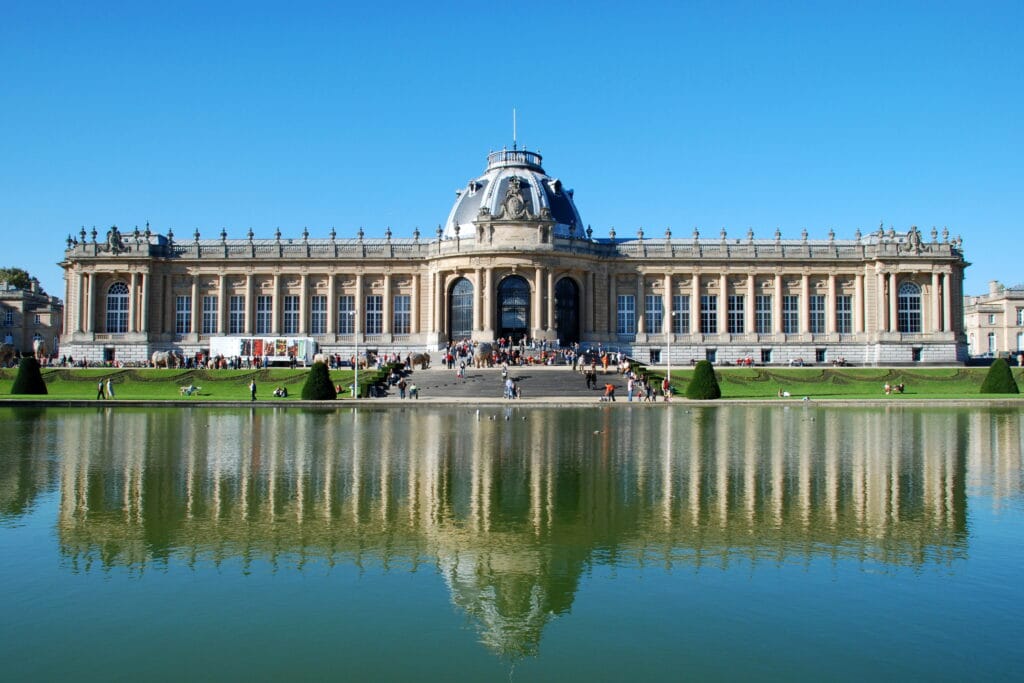
The Royal Museum for Central Africa is situated on an impressive estate just outside Brussels in the suburban setting of Tervuren. Upon arrival, visitors are immediately struck by the grand neoclassical architecture of the museum’s main building, an imposing stone construction characterized by its towering columns, expansive façades, and prominent dome. The setting is serene, surrounded by well-maintained botanical gardens that mirror elements of Central Africa’s diverse flora, creating a thematic continuity from nature to culture. The front entrance leads into a spacious courtyard, which invites exploration and provides a calm ambiance that contrasts with the urban bustle of nearby Brussels. The exterior itself embodies a mixture of historical grandeur and the enduring colonial legacy, which invites a reflective mindset before entering the exhibitions. The grounds also include a striking bronze equestrian statue of King Leopold II, a poignant and contested symbol that serves as a reminder of the museum’s complex origins. These initial impressions set the tone for a visit that oscillates between celebration of cultural artistry and the critical examination of colonial history.
Highlights and Key Exhibitions
The museum’s permanent collection is the centerpiece of the institution, spread across several expansive galleries that delve into various aspects of Central African life and history. One of the most notable sections focuses on ethnography, showcasing exquisite textiles, traditional clothing, masks, and ceremonial objects from a range of ethnic groups including the Luba, Kuba, and Mongo peoples. These artifacts are not presented merely as curiosities but are accompanied by comprehensive interpretive panels detailing the cultural significance, craftsmanship, and symbolic meanings behind each piece.
The museum also boasts an extensive collection of natural history specimens, including mineralogy and fauna native to Central Africa, providing visitors with a holistic understanding of the region’s biodiversity and environmental context. Art lovers will find the museum’s assemblage of contemporary and historical Congolese art particularly compelling, as it bridges centuries of artistic evolution and reflects ongoing dialogues about identity and postcolonial realities.
Another prominent feature is the section devoted to the colonial era itself, which attempts to grapple with the often brutal impact of Belgian rule in the Congo. Through photographs, official documents, and multimedia presentations, this area confronts the uncomfortable truths of exploitation and human suffering while also highlighting resistance and resilience among Central African communities. The museum’s balanced curatorial approach here is a testament to its commitment to historical accuracy and ethical representation.
Visitor Experience
Visitors to the Royal Museum for Central Africa can expect a thoughtfully arranged journey through Central African history and culture. The galleries are spacious and well-lit, with wide corridors that facilitate easy movement and prevent overcrowding even during busier periods. Audio guides are available in multiple languages, providing additional layers of information that complement the explanatory signage. The tone throughout the exhibitions is respectful and educational rather than didactic, encouraging visitors of all backgrounds to engage critically with the material.
Signage is clear and multilingual, offering insights into both the objects on display and their wider historical contexts. However, some visitors might find certain sections challenging due to the dense information and the emotional weight of the colonial history presented. The museum staff are reportedly knowledgeable and approachable, often available to answer questions and guide visitors through more complex exhibits.
Complementing the main galleries, the museum includes a cozy café and a well-stocked gift shop that features a range of books, reproductions, and locally made crafts. These amenities provide a suitable pause for reflection or the opportunity to extend the educational experience beyond the galleries.
Tickets, Access, and Planning
Planning a visit to the Royal Museum for Central Africa is relatively straightforward. The museum is accessible by public transportation from Brussels and offers parking facilities for those arriving by car. Entrance fees are moderate and reflect the quality and breadth of the exhibitions on display. Discounted rates apply for students, seniors, and groups, while admission is free for children below a specified age.
Opening hours are generous, allowing for both half-day visits and more leisurely full-day explorations. The museum also provides resources for teachers and group leaders aiming to incorporate the museum’s themes into educational programming.
Visitors with mobility challenges will find the museum’s facilities accommodating, including ramps, elevators, and accessible restrooms. However, due to the building’s historical design, certain areas may pose minor difficulties; advance inquiries or staff assistance can help mitigate these concerns.
Final Verdict
The Royal Museum for Central Africa offers a compelling and multi-dimensional experience that is both visually captivating and intellectually stimulating. It succeeds in balancing its historical legacy with contemporary educational imperatives, providing a nuanced perspective on Central African culture and Belgium’s colonial past. The museum’s extensive and varied collections are presented with care and sensitivity, inviting meaningful reflection on art, history, and identity.
While the institution’s colonial roots inherently raise complex questions, the current exhibitions demonstrate a commendable commitment to transparency and critical engagement. Visitors interested in ethnography, African history, or postcolonial studies will find the museum an indispensable resource. At the same time, casual visitors are likely to appreciate the aesthetic qualities of the artifacts and the striking natural environment surrounding the building.
Ultimately, the Royal Museum for Central Africa stands not only as a repository of Central African heritage but also as a platform for ongoing conversation and reckoning. For those willing to delve beyond surface impressions, it offers an enriching and thought-provoking cultural encounter that resonates well beyond the walls of the museum itself.