Royal Museum for Central Africa
Royal Museums · Tervuren, Belgium. The Royal Museum for Central Africa, located in Tervuren, Belgium, stands as a premier institution dedicated to the natural history, ethnography, and history of Central Africa. Established in the early 20th century, this museum…
Best forMasterpieces, architecture, cultural history
Setting / nearbyTervuren, Belgium, stands as a premier institution dedicated to the natural history, ethno
Overview
The Royal Museum for Central Africa, located in Tervuren, Belgium, stands as a premier institution dedicated to the natural history, ethnography, and history of Central Africa. Established in the early 20th century, this museum offers visitors a comprehensive look into the complex cultural and environmental tapestry of the Central African region. Functioning as a natural history and ethnographic museum, it serves not only as a place of preservation but also as a platform for education and reflection on the ties that link Europe and Africa through centuries of shared history. The collections and exhibitions aim to foster a deeper understanding of Central Africa's diverse peoples, wildlife, and environments, while also engaging with the historical contexts that have shaped the region.
Collection Highlights
The Royal Museum for Central Africa boasts an extensive and varied collection that spans natural history specimens, ethnographic artifacts, and historical documents. One of the museum's most famous features is its large assemblage of African art objects, which includes traditional masks, textiles, and ceremonial items that illuminate the cultural traditions and spiritual lives of Central African communities. These artifacts provide invaluable insight into the rich artistic heritage of the region and serve as a bridge to understanding the diverse societies within it.
In addition to cultural artifacts, the museum hosts a remarkable natural history collection. This includes a variety of taxidermied animals native to Central Africa, such as rare birds, mammals, and insects, which underscore the remarkable biodiversity of the Congo Basin. The natural history exhibits are complemented by detailed dioramas that recreate Central African habitats, offering visitors an immersive experience of the region’s ecosystems.
Historical exhibits delve into the colonial period, exploring Belgium's role and legacy in Central Africa. These displays are thoughtfully curated with sensitivity to the complexities and contentious aspects of history, encouraging critical reflection on the past and its impacts on present-day relationships. The museum also highlights ongoing research and contemporary issues facing the region, including environmental conservation and cultural preservation, making it a dynamic space for learning and dialogue.
Building and Setting
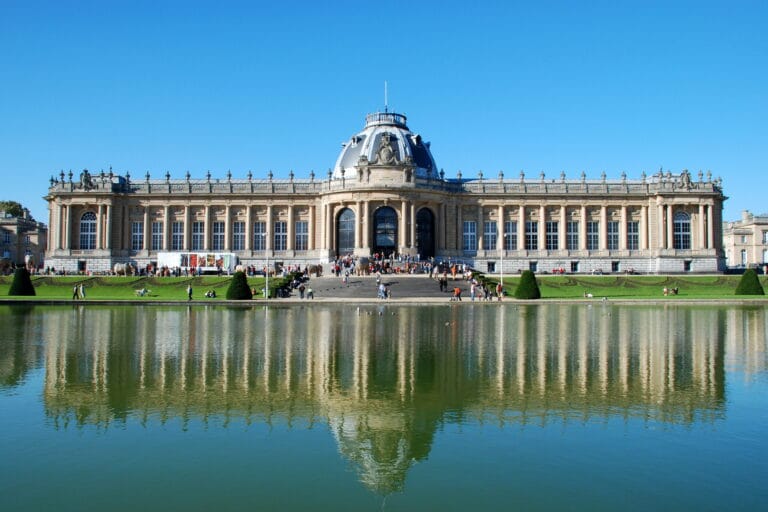
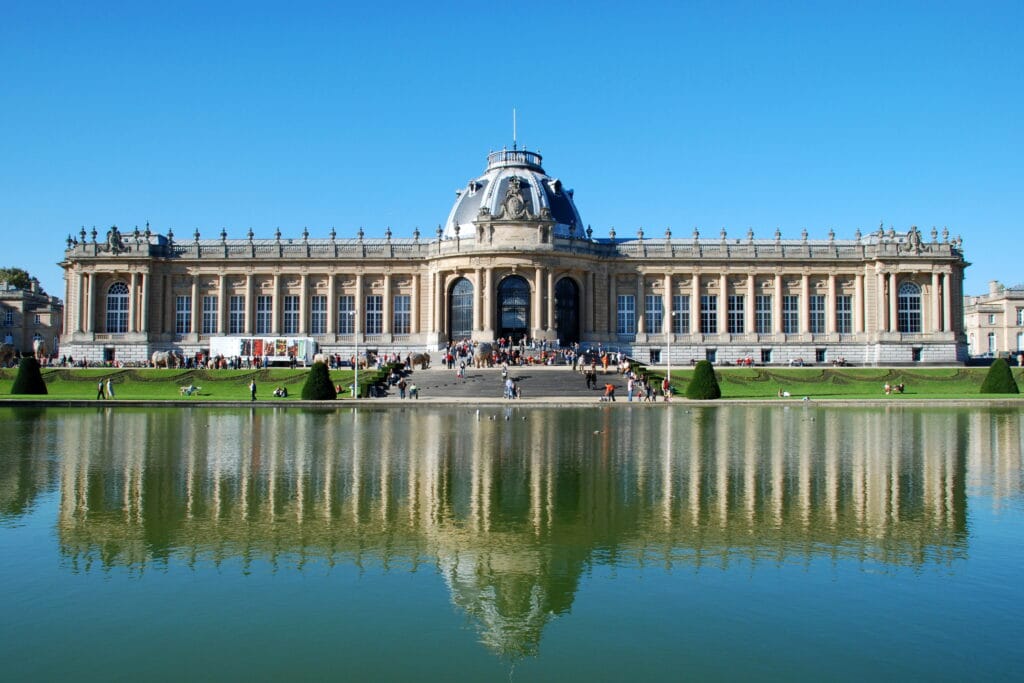
The museum is housed in an imposing neoclassical building situated in the wooded parklands of Tervuren, just outside Brussels. Its grandiose architecture, characterized by majestic columns and expansive galleries, reflects the ambitions of its founders and stands as an architectural landmark in itself. The setting within a tranquil, green environment provides a peaceful atmosphere that contrasts with the bustling city center and enhances the visitor experience.
Surrounding the museum is a beautifully maintained park that often becomes part of the visitor’s journey, with walking paths and gardens encouraging a leisurely exploration before or after the museum visit. The location is easily accessible and benefits from the proximity to Brussels while offering a quiet retreat from the urban environment.
Practical Information
Before planning a visit to the Royal Museum for Central Africa, it is advisable to verify the current opening hours and ticketing details, as these can vary seasonally or due to special exhibitions and events. The museum’s official website provides the most reliable and up-to-date information on hours, admission prices, guided tours, and any temporary closures or changes in access.
Visitors can consider various options for getting to the museum, including public transportation from Brussels or nearby areas, as well as parking facilities available on site for those traveling by car. The museum is generally well-equipped to accommodate different visitor needs, including accessibility features for those with reduced mobility.
In addition to its permanent collections, the museum often hosts temporary exhibitions, educational workshops, and cultural events aimed at broadening the public’s engagement with Central African heritage and contemporary issues. Checking the museum’s event calendar prior to the visit can enhance the overall experience.
Why Visit
Visiting the Royal Museum for Central Africa offers a rare opportunity to encounter a rich mosaic of natural and cultural history within a single institution. It is a destination that appeals to a variety of interests, whether one is drawn to art, anthropology, environmental science, or history. The museum’s holistic approach in presenting the Central African region ensures that visitors gain a multi-faceted understanding that goes beyond surface-level narratives.
The museum also plays a critical role in fostering awareness and dialogue about colonial history and its long-lasting effects, making it an important cultural site for both Belgian and international visitors. Its educational mission encourages reflection on issues of identity, heritage, and conservation, relevant to global discussions on cultural sensitivity and ecological sustainability.
For those curious about the natural world, the museum’s extensive biological collections and evocative dioramas offer a captivating glimpse into Central Africa’s biodiversity, highlighting reasons for global environmental interest and protection efforts.
Overall, a visit to the Royal Museum for Central Africa is not only an enriching cultural experience but also an invitation to engage thoughtfully with history and nature through the lens of one of the world’s most fascinating regions. It stands as a testament to Belgium’s historical connections with Central Africa while serving as a contemporary space for education, understanding, and mutual respect.