Rodin Museum Philadelphia Review
Philadelphia, United States. The Rodin Museum in Philadelphia stands as an important institution dedicated primarily to the works of the renowned French sculptor Auguste Rodin. Established in the early 20th century, the museum is the product of…
Philadelphia, United States. The Rodin Museum in Philadelphia stands as an important institution dedicated primarily to the works of the renowned French sculptor Auguste Rodin. Established in the early 20th century, the museum is the product of…
Best forMuseum lovers, culture travelers, first-time visitors
Review focusCollections, visitor experience, and practical planning
Historical Context
The Rodin Museum in Philadelphia stands as an important institution dedicated primarily to the works of the renowned French sculptor Auguste Rodin. Established in the early 20th century, the museum is the product of a significant bequest by Jules Mastbaum, a movie theater magnate who began collecting Rodin's sculptures in the 1920s. His vision was to create a space that brought Rodin’s art to the American public, reflecting Philadelphia’s growing commitment to cultural enrichment beyond its more traditional historical landmarks.
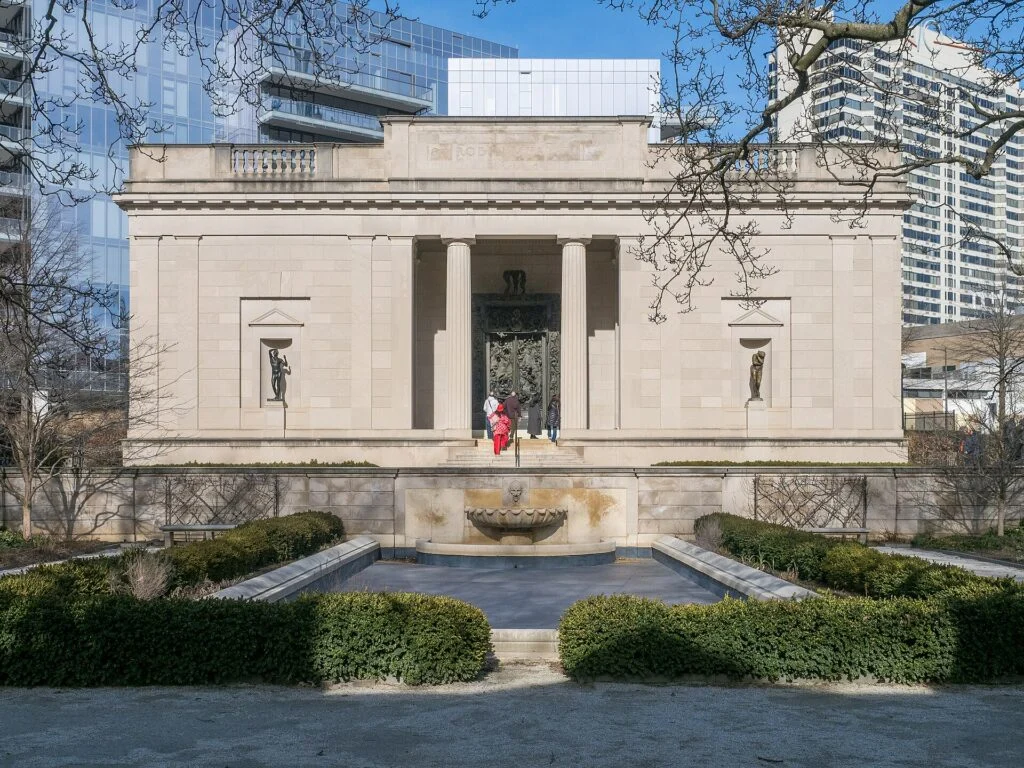
This museum is one of the few in the United States devoted almost exclusively to Rodin’s work, making it a distinctive site in the American museum landscape. It was designed by French-born architect Paul Cret, whose neoclassical approach was intended to complement the sculptures and frame them in a contemplative garden setting. The surrounding park further integrates the museum into the cityscape, providing a quieter cultural refuge within a busy urban area.
While the museum focuses largely on Rodin’s work, it is also a reflection of early 20th-century collecting practices and American patronage of European art. This historical context helps explain the museum’s dedication to a single artist and the particular curatorial choices made in presenting these sculptures.
What You See on Arrival
Approaching the Rodin Museum, visitors encounter a dignified but modest building set within a formal garden featuring sculptures arranged throughout the grounds. The museum is situated in Philadelphia’s Benjamin Franklin Parkway cultural corridor, which is home to other major institutions, lending a sense of civic prominence without overwhelming scale.
The sculpture gardens act as an extension of the museum experience. Visitors first note several large bronze and marble figures displayed on pedestals amid trimmed hedges and tree-lined walks. This outdoor introduction to Rodin’s work sets the tone, offering a preview of the stylistic realism and emotional intensity that characterize his style.
The museum entrance itself is unpretentious, marked by classical architectural elements such as pilasters and stone detailing, reflecting its 1920s origin. There is a clear connectivity between indoor and outdoor spaces, encouraging visitors to think of Rodin’s work not just as gallery objects, but as art that engages with natural light and open air.
For many first-time visitors, this architectural and landscape arrangement communicates the museum’s specialized focus and prepares them for an experience centered largely on sculpture rather than paintings or decorative arts.
Highlights and Key Exhibitions
Rodin Museum’s collection revolves almost entirely around the works of Auguste Rodin, offering visitors an extensive overview of his career and major themes. The sculpture "The Thinker" is one of the most prominent exhibits, often the centerpiece in brochures discussing the museum. This piece, with its unmistakable pose of contemplative tension, exemplifies Rodin’s ability to convey complex psychological states through physical form.
Other notable sculptures include "The Gates of Hell," a monumental complex that Rodin worked on for decades. This piece is often presented in fragmented sections within the museum, allowing viewers to examine individual figures in detail while also grasping the ambitious scope of the entire work. Pieces such as "The Kiss," "The Burghers of Calais," and "The Age of Bronze" are also typically part of the museum’s permanent holdings, giving a sense of Rodin’s range from sensuality to public monuments addressing sacrifice and heroism.
The museum tends to focus on bronze and marble mediums, highlighting Rodin’s technical skill and expressive versatility. Although the collection is centered on Rodin, the museum sometimes displays works by contemporaries and students connected to him, contributing broader context without overwhelming the primary focus.
Interpretive materials at the museum often emphasize Rodin’s departure from classical tradition and role as a pioneer of modern sculpture. Visitors can discern the tension in Rodin’s work between naturalism and abstraction, and how his sculptures explore human emotion and form with unprecedented directness.
The museum’s layout allows close inspection of details such as texture, gesture, and composition, which are central to understanding Rodin’s method and impact. However, the specificity of the collection also means that visitors unfamiliar with sculpture or Rodin’s milieu may require additional background to fully appreciate the nuances presented.
Visitor Experience
The Rodin Museum’s scale and subject matter make it especially suited for those with a particular interest in sculpture, 19th- and early-20th-century art, or Rodin himself. Those expecting a broad survey of art or a variety of periods might find the museum’s narrow focus limiting. However, for viewers focused on Rodin or sculpture in general, the experience can be rich and rewarding.
The museum’s layout, with its integration of gardens and interior galleries, allows a relatively relaxed pace of visit. Visitors can move between outdoor and indoor environments, which helps to break up viewing and avoid sensory overload, a common issue in museums with denser collections.
Interpretive signage and literature generally provide clear information about the sculptures, including historical context, artistic techniques, and the significance of individual pieces. This educational approach aids in demystifying Rodin’s style for general audiences. However, there might be opportunities for deeper engagement that the museum has yet to develop fully, such as interactive or multimedia components, which could help particularly for visitors less familiar with art history or sculpture.
The museum tends to attract a diverse mix of visitors, from art historians and students to tourists exploring Philadelphia’s cultural offerings. While it is quiet and contemplative, it does not offer extensive hands-on or family-oriented activities, so families with young children should consider this before planning a visit.
One challenge the museum faces is that Rodin’s style and subject matter—often intense, sometimes fragmented or abstracted human figures—may not appeal universally. Some visitors might find the sculptures emotionally demanding or difficult to connect with outside of an academic interest. Still, for many, the clarity and power of the work can provide a profound artistic experience.
Tickets, Access, and Planning
Specific details regarding ticketing, hours of operation, accessibility accommodations, and on-site amenities require confirmation from the museum’s official website before visiting, as these can change seasonally or due to special programming.
Given the museum’s manageable size and focused collection, it is practical to plan for a visit with at least an hour or two of available time to fully appreciate both the outdoor sculptures and indoor galleries. The location on the Benjamin Franklin Parkway places it within reach of public transportation and near other cultural institutions, which may help visitors combine multiple stops in one day.
Potential visitors should check for current information on exhibition schedules if seeking to avoid closures or limited access, as well as policies related to group visits, audio guide availability, and accessibility services. The museum does not generally position itself as a venue for large crowd events, so it is likely to be quieter on weekdays or outside peak tourist seasons.
Final Verdict
The Rodin Museum Philadelphia offers a distinctive and narrowly focused experience centered on one of history’s most influential sculptors. Its strengths lie in the depth of the Rodin collection, the thoughtful architectural and garden setting, and the clear presentation of an artist who shaped modern sculpture’s trajectory.
For visitors specifically interested in sculpture, 19th-century art, or Rodin’s legacy, the museum’s offerings are significant and well arranged. The gardens serve as a fitting introduction and complement to the artworks on display indoors. The building’s quietly classical style supports a contemplative atmosphere appropriate for Rodin’s often emotionally charged figures.
That said, the museum’s strict focus means it does not cater to visitors seeking a broader or more varied art experience. Those unfamiliar with sculpture or Rodin might find the material challenging or require additional preparatory reading or resources. The museum could benefit from more diverse interpretive approaches to engage a wider audience, including interactive or multimedia options.
Overall, the Rodin Museum is a solid institution for those focused on this sculptor or the art form itself. It preserves and presents its collection with care and respect, maintaining a place in Philadelphia’s cultural landscape as a specialized site. For a well-rounded art visit, it pairs well with other nearby institutions, but on its own, it is best appreciated by a somewhat focused audience prepared for a singular thematic encounter rather than a large-scale survey.