Rodin Museum Philadelphia
Philadelphia, United States. The Rodin Museum Philadelphia is an art museum dedicated primarily to the works of the French sculptor Auguste Rodin. Situated in Philadelphia, Pennsylvania, the museum specializes in presenting a significant collection of Rodin’s sculptures…
Best forMuseum lovers, culture travelers, first-time visitors
Setting / nearbyPhiladelphia, United States
Overview
The Rodin Museum Philadelphia is an art museum dedicated primarily to the works of the French sculptor Auguste Rodin. Situated in Philadelphia, Pennsylvania, the museum specializes in presenting a significant collection of Rodin’s sculptures along with related works. It aims to offer visitors a focused experience centered on the art and legacy of one of the most influential sculptors of the late 19th and early 20th centuries. The museum stands apart within the city’s range of cultural institutions by concentrating largely on this singular artist rather than general art history or a broader mixture of artists.
Rodin’s sculpture marked a turning point in modern art due to its expressive realism and complex relationship with form and emotion. The Philadelphia museum’s collection reflects this, displaying both some of his best-known pieces and a range of studies and smaller works that provide insight into his creative process. It appeals to those interested in sculpture as a medium, as well as visitors drawn to Rodin’s ability to capture human experience in striking three-dimensional form.
This is not an encyclopedic art museum or a multi-artist sculpture gallery. Instead, the Rodin Museum Philadelphia cultivates a close understanding of Rodin’s personal style, technique, and contributions to art history. The institution invites contemplation and study more than a broad, survey-style experience. In the context of Philadelphia’s rich museum landscape, it fills a niche for those with a specific interest in Rodin or sculpture sculpture-focused collections.
Collection Highlights
The museum’s collection centers on Auguste Rodin’s sculptures, including some of his most recognizable and influential pieces. Among these are several versions of “The Thinker,” a sculpture that has become synonymous with Rodin’s ability to express complex psychological states through physical form. The figure’s tension and contemplative posture make it a strong visual and emotional centerpiece.
There are also multiple casts and variants of “The Gates of Hell,” an important project Rodin worked on for many years. This ambitious monumental doorway features an array of figures drawn from Dante’s Inferno, showcasing Rodin’s intricate narratives and technical skill in bronze casting. The museum’s presentation of parts of “The Gates of Hell” allows visitors to consider how Rodin’s smaller works informed his larger compositions.
Other well-known sculptures found here include “The Burghers of Calais,” depicting a moment of sacrifice and human dignity during the Hundred Years’ War, and several sensitive portrayals of the female form such as “The Kiss.” These works provide a broad sense of Rodin’s thematic range, from heroic figures to intimate, tender depictions.
In addition to bronze and marble sculptures, the collection may include plaster casts, sketches, and drawings by Rodin that reveal more about his artistic process. The museum’s holdings help illuminate how Rodin worked through forms and ideas before finalizing sculptures. However, the main strength remains in the three-dimensional, finished pieces.
While Rodin’s work forms the core, the museum occasionally includes pieces by artists influenced by or contemporaneous with him, offering contextual background particularly in relation to sculptural developments during the late 19th century. Visitors interested in sculpture will find a detailed exploration of form, technique, and artistic innovation.
Building and Setting
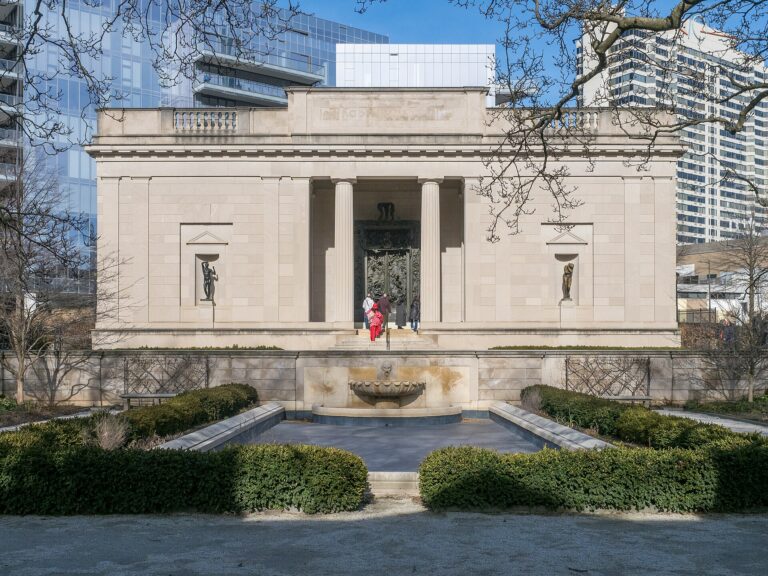
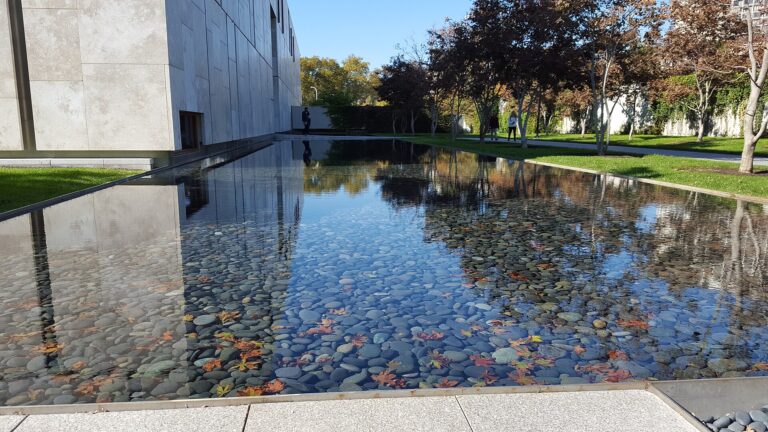
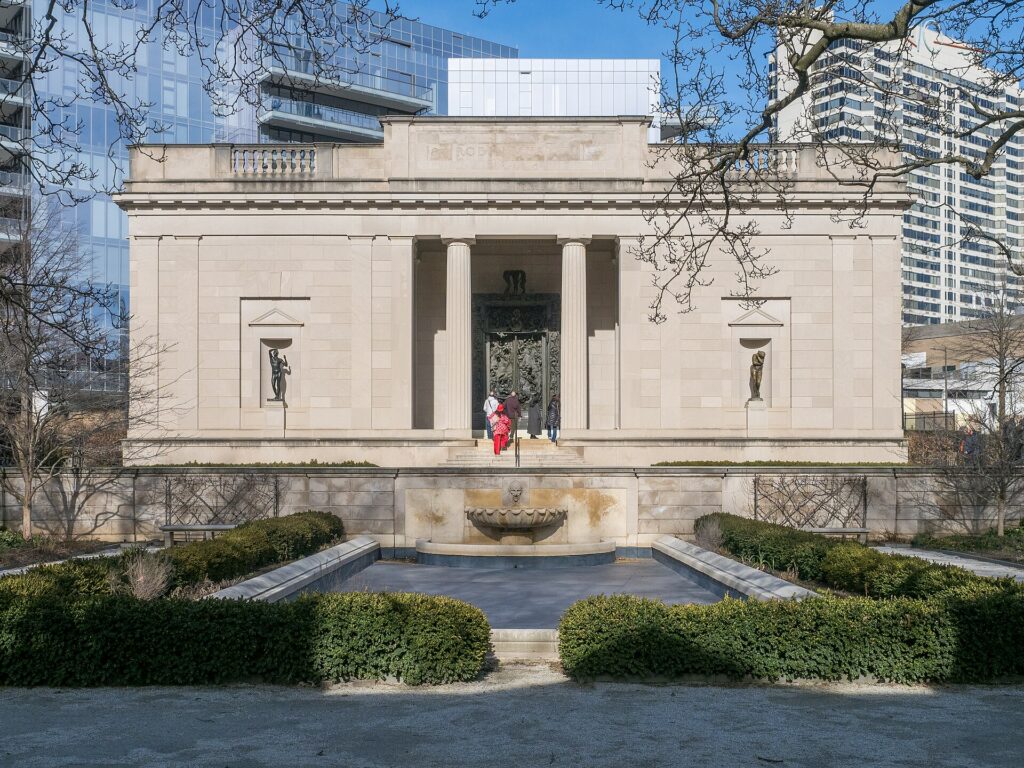
The Rodin Museum Philadelphia is set in a location within the city that complements its artistic focus. Surrounded by parkland or formal gardens, the outdoor space helps integrate the sculptures with nature, which is an aspect Rodin appreciated in his own presentations. This blend of art with a natural setting allows for different modes of viewing — both indoors and outdoors — and encourages visitors to experience the sculptures from multiple angles and in varying light.
The building itself is designed to house sculptures, typically featuring spacious galleries with sufficient room for three-dimensional works. The museum does not have the scale of a large metropolitan art museum but maintains an intimate atmosphere with light and space conducive to studying sculpture closely.
Visiting the Rodin Museum’s setting provides a contrast to the urban environment around it, making it a quieter place to appreciate art. The museum’s grounds might include paths or lawns where several sculptures are displayed, allowing visitors to engage with the works outside of the traditional gallery context.
Practical Information
For those planning to visit the Rodin Museum Philadelphia, it is advisable to consult the museum’s official website for the most up-to-date details on opening hours, ticketing, and any special programming. The site will also clarify visitor services such as accessibility accommodations and guided tours if available.
Because the museum specializes in sculpture, it may not support larger crowds as easily as more expansive institutions. Visitors who prefer a more contemplative experience might consider timing their visit outside of peak hours or busy days. The scale and focus of the museum mean it can be comfortably explored in a few hours, but those wanting to delve deeply into Rodin’s influence and style may find more time rewarding.
Parking, public transportation access, and nearby facilities should also be checked through official channels ahead of the visit. For those unfamiliar with Philadelphia, planning the visit as part of a day including other nearby museums or cultural sites could help maximize the trip.
Why Visit
The Rodin Museum Philadelphia offers an opportunity to explore the work of one of modern sculpture’s foundational figures in a focused and thoughtfully arranged setting. It is particularly suitable for visitors who have a specific interest in Rodin’s art or in sculpture as a discipline.
The museum’s concentrated collection allows one to observe the nuances of Rodin’s technique and creative evolution. Visitors gain a clearer sense of how he shaped form and emotion in bronze and marble, often moving beyond naturalistic representation into a more expressive, psychological realm.
Additionally, the museum's outdoor garden setting complements the sculptures and can provide a different sensory experience than a purely indoor gallery space. This connection between the works and their environment may deepen appreciation for Rodin’s intent and the physical presence of his figures.
At the same time, visitors should approach with modest expectations regarding the museum’s size and scope. This is not a broad art history museum nor a venue with large-scale exhibitions beyond Rodin and closely related artists. For those seeking wide-ranging art collections or non-sculptural works, other Philadelphia museums may offer more variety.
In summary, the Rodin Museum Philadelphia is best for those looking to spend time with a prominent sculptor’s oeuvre presented in a manner that respects the medium’s demands and invites contemplation. It balances well-curated indoor galleries with an engaging outdoor sculpture environment, catering to art lovers who want to experience Rodin’s legacy concentrated in one accessible location.