Renwick Gallery Review
Washington, D.C., United States. The Renwick Gallery is a branch of the Smithsonian American Art Museum, located in Washington, D.C., dedicated primarily to American craft and decorative arts from the 19th century onward. Established to highlight artistry in…
Washington, D.C., United States. The Renwick Gallery is a branch of the Smithsonian American Art Museum, located in Washington, D.C., dedicated primarily to American craft and decorative arts from the 19th century onward. Established to highlight artistry in…
Best forMuseum lovers, culture travelers, first-time visitors
Review focusCollections, visitor experience, and practical planning
Historical Context
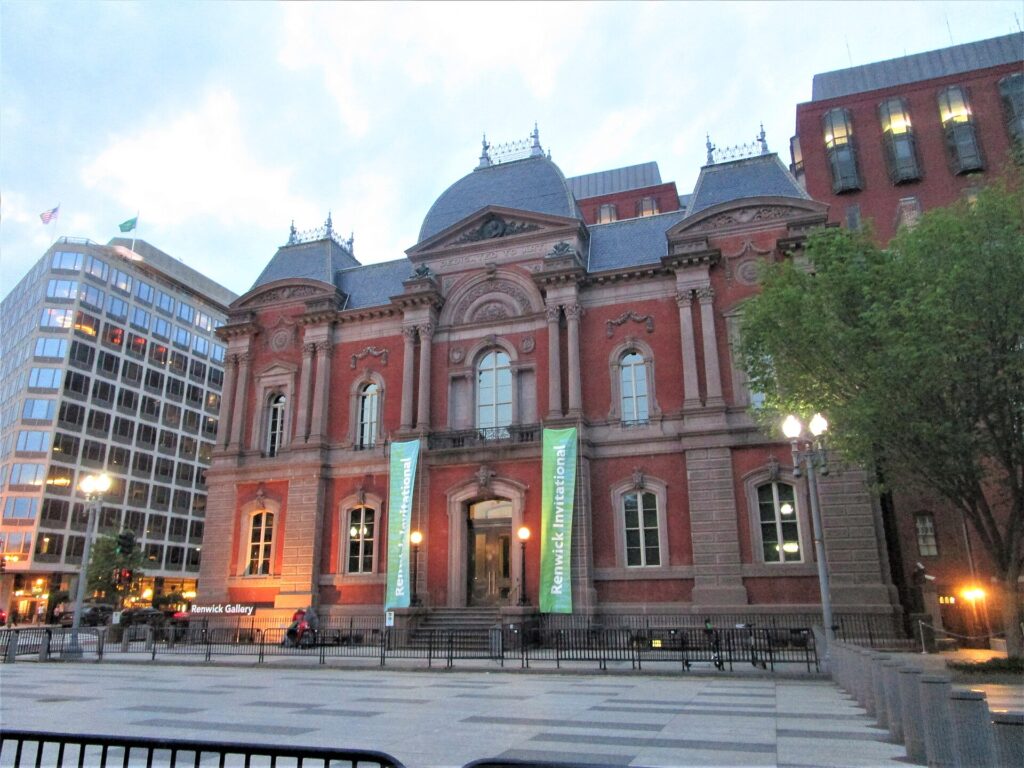
The Renwick Gallery is a branch of the Smithsonian American Art Museum, located in Washington, D.C., dedicated primarily to American craft and decorative arts from the 19th century onward. Established to highlight artistry in mediums often overlooked in the broader art institutional context, the Renwick has a specific focus on craftsmanship, materials, and intricate design. The building itself is an important part of its identity: a landmark piece of architecture constructed in the mid-19th century in the Second Empire style, originally intended as a branch of the Corcoran Gallery of Art before integrating into the Smithsonian Institution. This historical grounding in the post-Civil War era positions the Renwick as an institution that situates its collections within the trajectory of American art evolution, emphasizing objects that straddle the boundaries between fine and decorative arts.
The museum’s mission is tied to showcasing innovation in craft disciplines, including wood, metal, glass, fiber, and ceramics. Over time, the Renwick Gallery has developed a reputation for representing contemporary artists who challenge traditional craft definitions, while also anchoring its collection with earlier pieces that reflect 19th- and early 20th-century aesthetics. This duality—celebrating both historical and contemporary practices—frames the institution as a site for reconsidering the cultural value of American craft. Its affiliation with the Smithsonian American Art Museum lends it institutional credibility and resources, but also situates it within a broader national narrative of American art, enhancing its identity as a complementary and specialized facet of a much larger enterprise.
What You See on Arrival
Upon approaching the Renwick Gallery, visitors first encounter the building’s distinctive exterior, a key element of its storytelling. The ornate façade of the Second Empire-style mansion-like structure immediately signals a historic pedigree, distinguishing it from more modern museum designs in D.C. The museum’s location just off Pennsylvania Avenue places it near the White House, underscoring its symbolic and geographic tie to national culture but also highlighting the museum’s relatively compact urban footprint. The physical scale of the Renwick—smaller and more intimate than many major art museums—sets expectations for a more focused and contained visit.
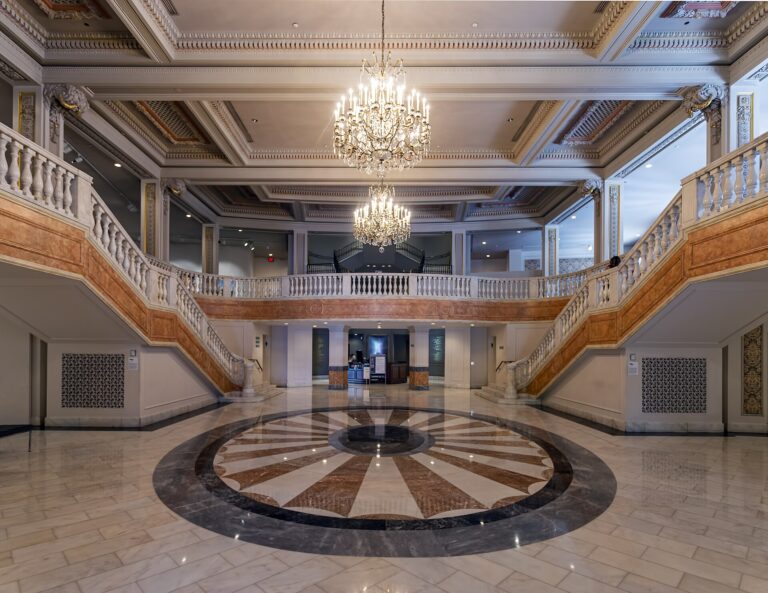
The entrance experience naturally involves an architectural appreciation before the collections are even encountered. This architectural emphasis serves to remind visitors that the museum itself is partly an artifact. The relationship of the building to the exhibits is a recurrent theme in discussions about the Renwick, as its interiors—often featuring woodwork and ornate details—complement the materiality of the craft objects on display. Early on, visitors might gain the sense that they are moving into a distinct curatorial space that prioritizes objects’ tactile qualities and craftsmanship rather than the sweeping scale or grand narratives typically associated with large art museums.
Highlights and Key Exhibitions
The Renwick Gallery’s collection centers around American craft traditions, showcasing a wide range of media such as ceramics, textiles, wood, glass, metalwork, and mixed media. This focus on materials traditionally associated with “craft” rather than “fine art” draws from a long-standing tension in art history regarding the hierarchy of art forms. In this way, the Renwick’s core thrust revolves around elevating these object types by emphasizing their design, workmanship, and cultural importance.
A notable aspect of the Renwick’s presentation is its attention to both historical and contemporary craft objects. Early parts of the collection include decorative arts from the 19th and early 20th centuries, featuring works by notable American artisans active during a period when handcrafted objects were common in domestic settings. These works provide visitors with important insights into domestic culture, industrialization’s impact on craftsmanship, and shifting design trends such as the Aesthetic Movement and Arts and Crafts Movement. For example, ceramics and furniture pieces from this timeframe often demonstrate a balance between function and decorative appeal.
In addition to historical craft objects, the Renwick’s contemporary collection heavily foregrounds artists who are pushing the boundaries of craft through innovative use of materials and scale. This includes those working with nontraditional media or combining craft techniques with conceptual art approaches. The museum has periodically showcased installations and large-scale three-dimensional works that engage with space uniquely compared to more traditional decorative arts. These contemporary pieces may encourage visitors to reconsider craft’s place within the broader art world and its capacity for social and political commentary, as some artists explore themes like environmental concerns or identity via their material choices.
Glass art occupies an important place in the museum’s holdings. This medium, with its innate fragility and technical challenges, is a recurring feature, with objects highlighting both utilitarian and sculptural qualities. Similarly, textile and fiber arts demonstrate a breadth of techniques and cultural influences, reflecting the diversity of American craft practices. Metalwork and woodwork collections complement these categories, showcasing artisanal skill and historical connections to functional design.
The Renwick also dedicates itself to thematic exhibitions that explore craft narratives in depth, although details about specific temporary exhibitions are typically found on the museum’s website. These may vary widely, sometimes focusing on individual artists, specific craft techniques, or broader thematic concerns such as material innovation or social practice within craft.
Overall, the museum’s collection and exhibitions provide a layered understanding of American craft, connecting the tactile and visual qualities of objects to their historical and cultural contexts. However, those looking for a comprehensive survey of American fine art or a traditional history of painting and sculpture will find this focus quite specialized. The Renwick’s value lies in its dedication to craft as a discrete and significant art form.
Visitor Experience
The Renwick Gallery’s smaller scale suggests that visitor circulation is generally manageable and less overwhelming than larger institutions. The layout often encourages close engagement with objects, allowing viewers to consider craftsmanship details that might be missed in busier, more crowded venues. This size also means the museum experience tends to be more intimate and less rushed, although foot traffic may vary with peak tourist seasons or special exhibitions.
Interpretive materials at the Renwick tend to focus on artist backgrounds, techniques, and material significance. Labels are typically well-written and informative, providing enough context to appreciate the objects’ historical and artistic qualities without overwhelming visitors with technical jargon. This makes the museum suitable for a range of audiences, including Americans who appreciate the country’s decorative arts heritage and international visitors interested in understanding American craft traditions. Art and design students or practitioners may find particular value in the museum’s concentration on technique and craftsmanship.
That said, the museum’s focus may be somewhat narrow for visitors hoping for a broad spectrum of American art forms. Because the Renwick prioritizes craft and decorative arts, it does not offer the extensive narrative sweep or art genres found in larger museums or in institutions focused on painting and sculpture. This specialization influences how well the museum suits different visitor types. Casual tourists unfamiliar with American craft might find parts of the collection less immediately accessible without prior knowledge, while visitors with a particular interest in craft, design, or material culture will be better served.
Another point to note is that the Renwick’s physical building, while architecturally significant, may impose some limitations. Interior spaces, especially galleries housed in historical rooms, can be somewhat constrained, affecting how artworks are displayed or how large installations are accommodated. However, the building’s character adds to the sense of encountering objects within a lived, historic environment rather than a generic white-cube gallery. Visitors should anticipate a quieter, potentially more contemplative experience than at busier, larger venues.
Tickets, Access, and Planning
Information regarding admissions, opening hours, accessibility accommodations, and visitor services for the Renwick Gallery should be confirmed via the museum’s official website before planning a visit. This is advisable to ensure awareness of any temporary closures, special arrangements, and current policies. Official sources will offer the most accurate details about ticketing (including any required reservations), discounts, guided tours, or educational programming.
The Renwick is situated near the downtown core of Washington, D.C., making it accessible by public transportation. Its proximity to major landmarks like the White House means that visitors might coordinate stops with other attractions in the area. Nonetheless, given the central urban location, parking options might be limited and traffic congested during peak times, an element worth considering depending on one’s mode of travel.
Visitors planning their time in the gallery should be aware that the museum’s modest size usually means a visit can fit into a shorter itinerary slot compared to larger national museums in Washington. This could be an advantage for those wanting to focus specifically on craft or who have a tight schedule. Conversely, those expecting an extensive art museum experience should adjust expectations to the narrower focus and scale.
Final Verdict
The Renwick Gallery is a distinctive institution within Washington’s museum landscape, offering a detailed presentation of American craft and decorative arts framed by an architecturally significant historic building. Its strength lies in bringing attention to a category of art objects that often exist on the margins of traditional art history, combining historical pieces with cutting-edge contemporary craft. The result is a specialized but rewarding focus that enriches understanding of American material culture and artisan traditions.
Visitors interested in craftsmanship, design processes, and the intersection of utility and aesthetics will find substance here. The museum’s manageable size and curated scope encourage thoughtful viewing and closer engagement with objects than might be possible in a large institution. However, prospective visitors should recognize that the Renwick is not a general art museum and that its subject matter demands some curiosity or prior interest in craft to fully appreciate its offerings.
In terms of logistics and planning, the museum’s location and building present an appealing aesthetic entry but also some practical considerations best addressed by consulting official information ahead of time. For those seeking to explore American craft in depth or to experience a quieter, more focused museum visit amid Washington’s dense museum district, the Renwick Gallery offers a well-defined and dedicated environment. It stands as an important cultural resource for highlighting the oft-underrecognized skill and creativity within American craft traditions.