Renwick Gallery
Washington, D.C., United States. The Renwick Gallery is an art museum located in Washington, D.C., dedicated primarily to American craft and decorative arts from the 19th century to the present day. As part of the Smithsonian American Art…
Best forMuseum lovers, culture travelers, first-time visitors
Setting / nearbyWashington, D.C., United States
Overview
The Renwick Gallery is an art museum located in Washington, D.C., dedicated primarily to American craft and decorative arts from the 19th century to the present day. As part of the Smithsonian American Art Museum system, it focuses on works that blend traditional craft techniques with contemporary artistic expression. The gallery offers a specialized perspective on how materials like wood, glass, fiber, metal, and ceramics have been employed to create both functional objects and fine art pieces. Its emphasis on craft artists and artisans sets it apart from more conventional fine art museums in the city.
The Renwick’s collection presents a narrative about American creativity outside the usual painting and sculpture genres. It highlights the evolving definitions of art and craft, reflecting broader cultural and social trends through material culture. The museum appeals to those curious about the intersections of art, design, and everyday objects, as well as anyone interested in how craft traditions have adapted over time. While it may not host the large-scale historical painting collections found in other Washington museums, it offers a concentrated look at a distinct artistic field that has often been overlooked.
Collection Highlights
The Renwick Gallery’s curated collection is comprised chiefly of mid-20th century and contemporary craft objects, with a foundation of earlier American decorative art pieces. Visitors can expect to encounter a wide array of objects made from diverse materials—each showing a high level of skill and an innovative approach to traditional craft methods. The collection includes furniture, textiles, ceramics, glass art, metalwork, and mixed-media installations.
Among the notable aspects of the collection is its focus on contemporary craft artists whose work challenges standard boundaries. This includes artists who use nontraditional materials and techniques, often merging fine art concepts with craft practices. The Gallery also features installations that temporarily occupy gallery spaces, occasionally commissioning site-specific works that engage with the architecture.
The museum’s presentation often emphasizes the tactile and material qualities of the exhibits, inviting visitors to reflect on the processes behind each piece. The narrative embedded in the collection follows how craft has responded to changing aesthetics, consumer culture, and artistic innovation over the past century. While individual pieces can be striking on their own, the overall experience benefits from understanding the thematic connections linking the works.
Building and Setting
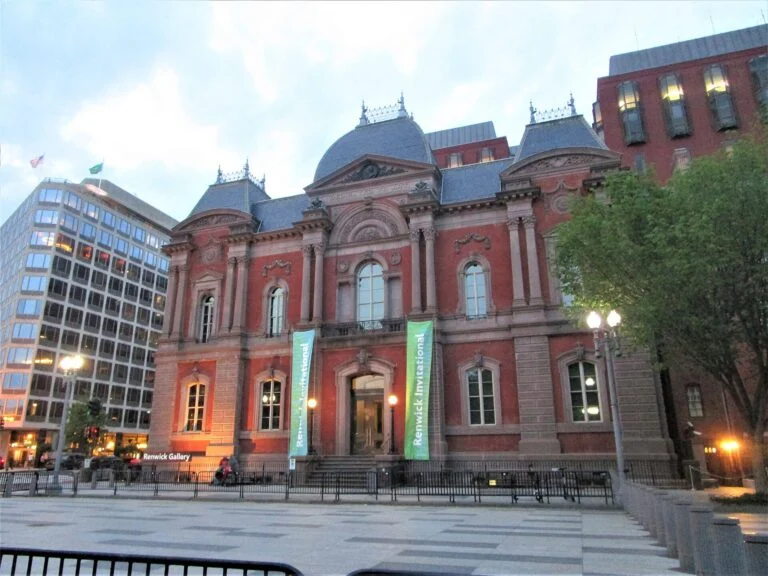
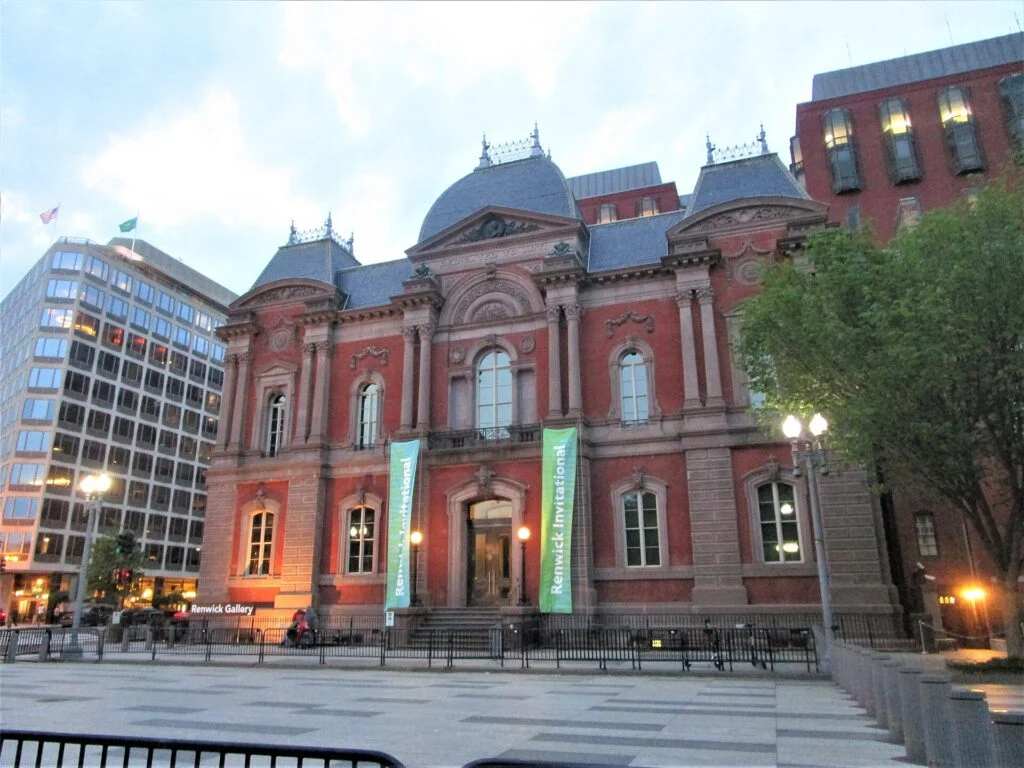
Housed in a historic building in the heart of Washington, D.C., the Renwick Gallery occupies a space that itself is an artifact of 19th-century American design. The building was originally constructed as part of the federal government’s efforts to establish a national presence and display decorative arts. Its architecture speaks to the museum’s focus, with intricate details and a sense of historic craftsmanship that complements the objects on display.
The gallery is situated near the White House, placing it within a dense urban environment with easy access to other museums and cultural institutions. While the area around the Renwick is busy and urban, the interior of the gallery provides a calm and contemplative setting. The space is organized to accommodate both permanent exhibits and temporary shows, maintaining a balance between showcasing the collection and accommodating new works.
Visitors should note that because the building is historic, certain design features may influence how exhibitions are arranged, and some display areas may be more intimate or segmented compared to larger modern museums. Nonetheless, the gallery’s setting allows the objects to be viewed in a context that resonates with their historical and artistic significance.
Practical Information
For those planning to visit the Renwick Gallery, it is advisable to consult the museum’s official website for the most current information regarding opening hours, admission fees, available tours, and any special exhibitions or events. The Gallery’s affiliation with the Smithsonian suggests it may have flexible visiting options, but these can vary, particularly in response to public health guidelines or special programming.
While information on parking, accessibility, or amenities like cafés and shops is not detailed here, potential visitors should review official sources or contact the museum directly to ensure these services meet their needs. The Renwick’s urban location means nearby facilities and transportation options are generally good, but confirming access details beforehand can help with planning.
Given the variety of exhibits and the gallery size, visitors typically have flexibility in how much time to spend. Some may prefer a brief preview of key rooms, while others might engage more deeply with the collections and special exhibitions.
Why Visit
The Renwick Gallery offers a distinctive experience for those interested in American craft and decorative arts. It contributes a specialized viewpoint to the cultural landscape of Washington, D.C., focusing on objects that blend artistry with practical design. For visitors seeking a different kind of art museum—one that highlights material exploration and hands-on creativity—the Renwick provides an informative and often thought-provoking environment.
The gallery’s strength lies in its commitment to contemporary craft and its willingness to display works that challenge conventions. This makes it particularly appealing to visitors interested in the evolution of artistic media and the dialogue between tradition and innovation. Artisans, designers, historians, and craft enthusiasts will find the collection particularly resonant. It also offers educational opportunities by illustrating how craft serves as a living, adaptive art form.
Some visitors might find the museum’s focus narrower than more comprehensive art museums, and those expecting large-scale historical narratives or broad encyclopedic collections may need to adjust their expectations. However, this focus is what allows the Renwick to sustain a clear and meaningful identity. By foregrounding craft as a vital artistic discipline, the museum addresses aspects of American cultural history that are often sidelined in mainstream art narratives.
In sum, the Renwick Gallery is a worthwhile destination for anyone who wants to explore American creativity through the lens of craft and decorative arts. Its collection, building, and curatorial perspective provide a distinctive complement to the multitude of cultural institutions found in the capital. Prospective visitors should plan their visit in advance to align with current exhibitions and available resources.