Østerbro lille Museum Review
History Museums · Copenhagen, Denmark. The Østerbro lille Museum is a distinctive cultural institution located in Copenhagen, Denmark, situated in the vibrant and historically rich Østerbro district. This modest yet thoughtfully curated museum offers visitors an intimate glimpse…
History Museums · Copenhagen, Denmark. The Østerbro lille Museum is a distinctive cultural institution located in Copenhagen, Denmark, situated in the vibrant and historically rich Østerbro district. This modest yet thoughtfully curated museum offers visitors an intimate glimpse…
Best forMasterpieces, architecture, cultural history
Review focusHistorical collections, local context, and visitor planning
Historical Context
The Østerbro lille Museum is a distinctive cultural institution located in Copenhagen, Denmark, situated in the vibrant and historically rich Østerbro district. This modest yet thoughtfully curated museum offers visitors an intimate glimpse into the local history, art, and culture of Østerbro, an area known for its blend of residential charm and urban sophistication. Established with a mission to preserve and celebrate the unique identity and heritage of the neighborhood, the museum functions as both a community hub and an educational resource. It situates itself within the broader narrative of Copenhagen’s development, highlighting the evolution of this particular district from its early days through to contemporary times. Unlike larger, more internationally focused museums, Østerbro lille Museum emphasizes the local, providing an invaluable record of everyday lives, social changes, and artistic expression in this part of the city. Through its permanent collections and carefully chosen rotating exhibitions, it maintains a strong connection to the people and stories of Østerbro and Denmark more broadly.
What You See on Arrival
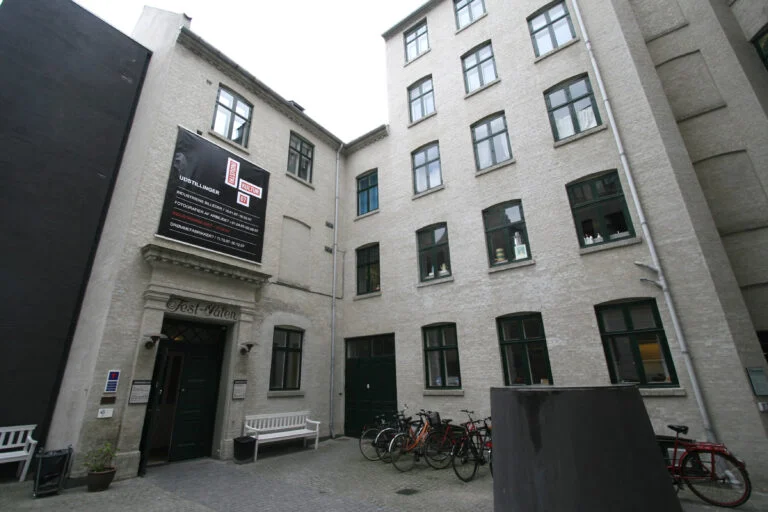
Upon arrival at the Østerbro lille Museum, visitors are welcomed by a charming façade that mirrors the aesthetics of the surrounding neighborhood. The building itself emanates a sense of history and local character, inviting curiosity without appearing overwhelming or imposing. The museum’s entrance is discreet yet inviting, offering a warm welcome that reflects the institution’s community-oriented ethos. Adjacent to the entrance is clear signage providing practical information about opening hours, ticket prices, and current exhibitions, maintaining transparency and ease of access from the outset. The immediate area surrounding the museum benefits from the pleasant urban scenery typical of Østerbro, with leafy streets and nearby parks creating a tranquil atmosphere and setting the tone for a measured and contemplative visit. The overall visual impression upon arrival is one of understated elegance, inviting exploration and encouraging a slower, more thoughtful engagement with the exhibits.
Highlights and Key Exhibitions
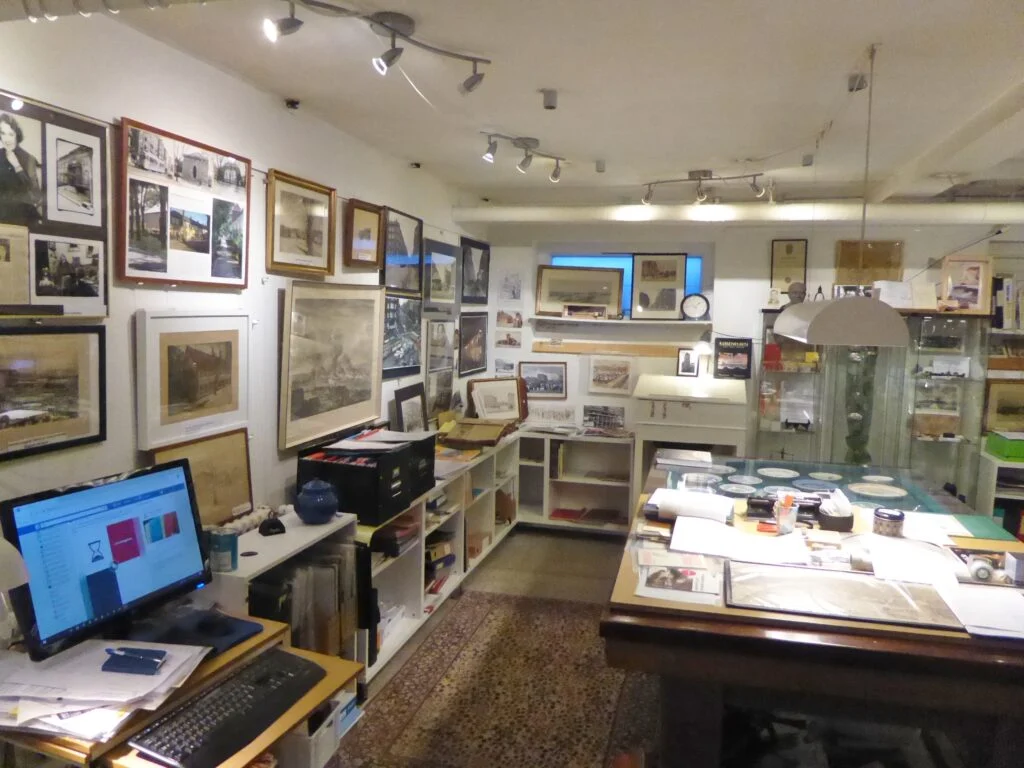
The core strength of the Østerbro lille Museum lies in its ability to present focused exhibitions that illuminate the cultural and historical facets of the Østerbro district. While the museum’s permanent collection is modest in scale, it is rich in context and meaning, prioritizing quality over quantity. Artifacts, photographs, and documents are carefully selected to tell nuanced stories of the community’s past, ranging from urban development and architectural transformations to social history and local traditions. One noted highlight includes a well-presented series on the district’s post-war evolution, tracing changes in demography, industry, and cultural life with a thoughtful blend of objects and interpretive panels. The museum also places emphasis on contemporary art and local creative practices, hosting rotating exhibitions that showcase emerging talent from the area, thereby maintaining a dynamic connection to current cultural currents. These temporary displays complement the more historically focused sections, allowing visitors to appreciate the ongoing narrative of Østerbro as a living and evolving neighborhood. The meticulous curation ensures that each exhibit is informative and engaging, though some visitors might find the scale more suited to those with a particular interest in local history rather than the casual tourist seeking broader Scandinavian cultural perspectives.
Visitor Experience
The visitor experience at the Østerbro lille Museum is characterized by its intimate scale and personalized approach. The museum’s layout is straightforward, facilitating an easy flow from one exhibition space to the next and enabling visitors to absorb information at a comfortable pace. Interpretive materials are well-written and accessible, with multilingual options enhancing understanding for international visitors. The staff are noted for their friendliness and knowledge, offering helpful insights and guidance that enrich the overall experience. Despite its small footprint, the museum pays careful attention to creating a welcoming atmosphere, with cozy seating areas and quiet corners that encourage reflection and deeper engagement. However, given its limited size, the museum might not sustain long visits for those seeking an extensive or diverse range of exhibits. It excels as a focused cultural stop, particularly rewarding for history buffs, local residents, and those interested in urban studies and community narratives. The blend of historical artifacts and contemporary art installations also caters to a broad spectrum of interests, fostering a multi-dimensional understanding of the district’s identity.
Tickets, Access, and Planning
Planning a visit to the Østerbro lille Museum is straightforward, with essential information readily available on the museum’s official website. Ticket prices are reasonable and reflect the institution’s community-centric mission, making it accessible to a wide audience including students, seniors, and families. Discounts and occasional free-entry days are also part of the museum’s commitment to inclusivity. The museum’s location within Østerbro is well-served by Copenhagen’s efficient public transportation system, with nearby bus and metro stops facilitating easy access from various parts of the city. Bicycle parking is provided for those choosing to explore Copenhagen’s renowned cycling routes, aligning with the city’s sustainable transport ethos. Accessibility provisions are thoughtfully incorporated; the museum is barrier-free with ramps and adequate facilities for visitors with mobility challenges. However, due to the building’s historic nature, some areas may have spatial constraints that limit movement for wheelchair users, a factor worth verifying ahead of a visit. Opening hours are generally consistent, though visitors are advised to confirm times in advance as the museum may adjust schedules during holidays or for special events.
Final Verdict
The Østerbro lille Museum stands out as a distinctive gem within Copenhagen’s cultural landscape, offering an insightful and intimate portrayal of the Østerbro district’s heritage. It succeeds admirably in its mission to preserve local history while fostering a living connection to contemporary culture through carefully curated exhibitions. The museum’s modest size and focused scope are both a strength and a limitation, allowing for a concentrated and meaningful visitor experience but potentially leaving those seeking broader art or history collections wanting more. Its accessibility and community-oriented approach underscore a genuine commitment to education and engagement, making it a valuable stop for residents and visitors interested in deepening their understanding of Copenhagen beyond its more famous landmarks. While it may not appeal to every type of museum-goer, especially those favoring large-scale displays or international art collections, the Østerbro lille Museum offers a rewarding and authentic encounter with local culture that enriches one’s appreciation of Danish urban life and history.