Københavns Museum Review
History Museums · Copenhagen, Denmark. Københavns Museum stands as a vital repository of Copenhagen’s rich and layered past, offering visitors a comprehensive glimpse into the city’s evolution from its medieval origins to the vibrant metropolis it is today. Situated…

History Museums · Copenhagen, Denmark. Københavns Museum stands as a vital repository of Copenhagen’s rich and layered past, offering visitors a comprehensive glimpse into the city’s evolution from its medieval origins to the vibrant metropolis it is today. Situated…
Best forScience, technology, hands-on learning
Review focusHistorical collections, local context, and visitor planning
Historical Context
Københavns Museum stands as a vital repository of Copenhagen’s rich and layered past, offering visitors a comprehensive glimpse into the city’s evolution from its medieval origins to the vibrant metropolis it is today. Situated in Denmark’s capital, the museum serves not only as a guardian of historical artifacts but also as a cultural institution dedicated to preserving and narrating Copenhagen's unique urban story. Its collections encompass a broad spectrum of periods and themes, including the city's founding, its growth through trade and industry, the impact of world events on local life, and contemporary developments shaping its identity. The museum provides invaluable context for understanding how Copenhagen has evolved socially, politically, and architecturally. By focusing exclusively on the city’s heritage, Københavns Museum invites visitors to engage deeply with both the tangible and intangible elements that have defined Copenhagen’s character. This focus positions it as an indispensable resource for locals and tourists alike seeking to appreciate the nuances of Denmark’s capital.
What You See on Arrival
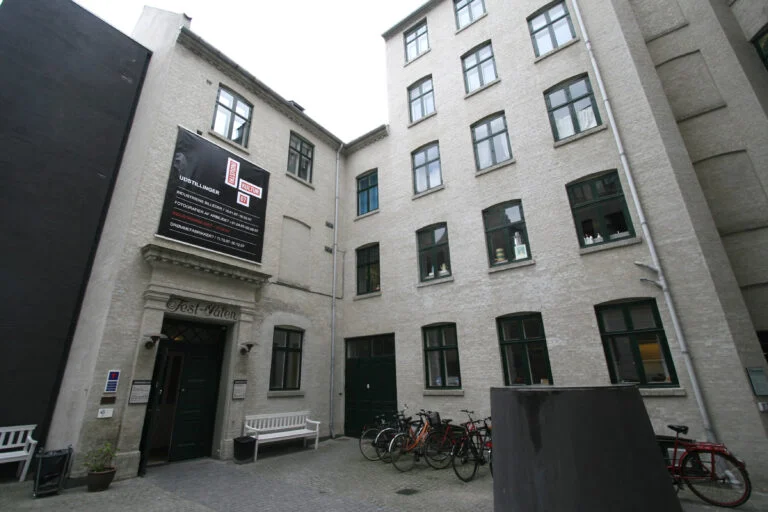
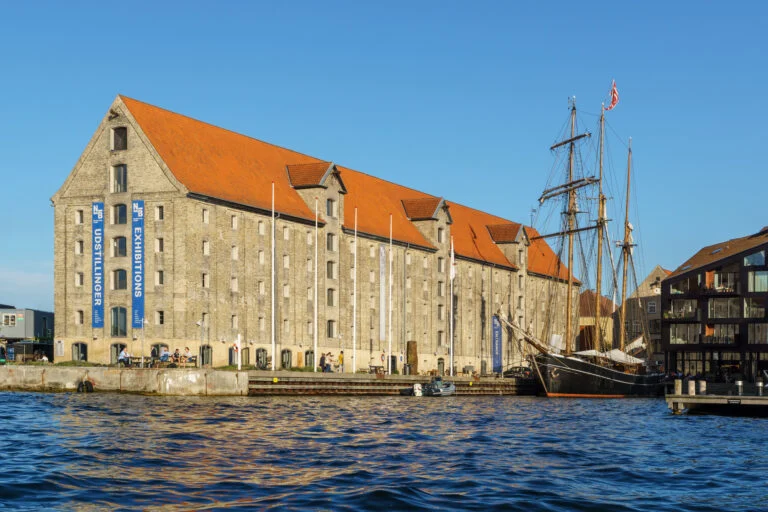
Upon approaching Københavns Museum, visitors are greeted by a historic building whose architectural character subtly hints at the nearly 800 years of historical content contained within its walls. The location is conveniently placed within the city, easily accessible from various central points, making it a natural stop for anyone exploring Copenhagen’s urban landscape. The exterior blends classical design with contemporary modifications, reflecting the museum’s commitment to honoring the past while addressing modern-day expectations. Outside, informational signage and clear wayfinding assist in orienting visitors from the moment they arrive. The entrance area opens into a welcoming reception and information desk staffed by knowledgeable personnel ready to provide guidance. This initial impression is one of order and professionalism, setting a respectful tone for the historical journey that lies ahead. Visitors can immediately appreciate the museum’s blend of tradition and accessibility, which underscores its role as a community institution as well as a tourist destination.
Highlights and Key Exhibitions
The core of Københavns Museum’s appeal lies in its well-curated permanent exhibitions that chart the city’s development across centuries. The archaeological findings section is particularly striking, housing artifacts from the Viking Age and early medieval periods that reveal the origins of Copenhagen as a trading hub. These displays are complemented by expertly crafted narratives and multimedia presentations that illuminate everyday life during various historic phases. The museum’s coverage of the Renaissance and Baroque eras highlights the transformation of the city’s architecture and urban planning, with detailed models and illustrations offering insight into the ambitions of its rulers and citizens.
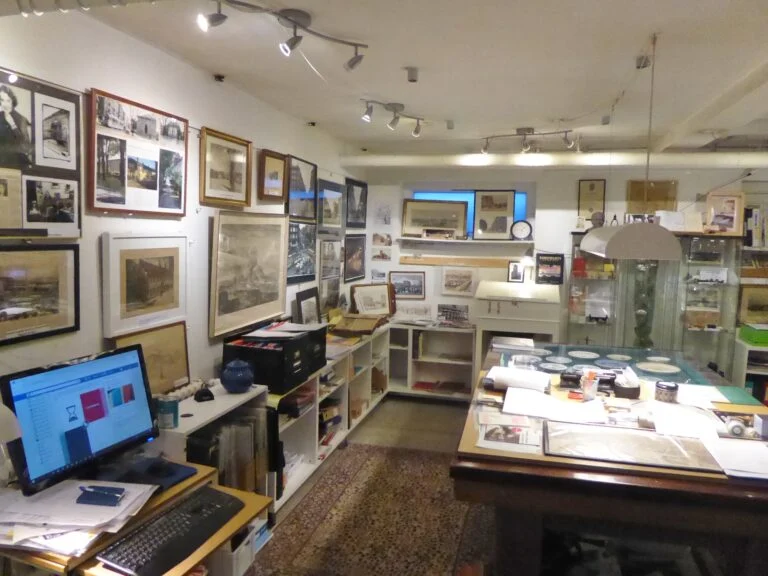
An especially compelling part of the collection is dedicated to Copenhagen during the 19th and 20th centuries. Here, visitors encounter exhibits covering industrialization, social reform movements, and the city’s resilience through wars and occupation. The museum excels in depicting how these events affected ordinary people, incorporating personal stories, photographs, and material culture to create an immersive historical portrait.
Furthermore, the museum also pays attention to Copenhagen’s contemporary identity, presenting recent urban developments and cultural shifts that continue to shape the city. This connection between past and present provides a holistic understanding of Copenhagen’s dynamic urban fabric. While temporary exhibitions are occasionally hosted, the strength of Københavns Museum lies in its stable, thoughtfully maintained permanent displays that resonate with a broad audience.
Visitor Experience
Københavns Museum offers a visitor experience marked by clarity, engagement, and educational value. Interpretation throughout the museum is primarily presented in Danish, yet English translations are generally available, broadening its accessibility to international guests. The exhibition design favors a balanced combination of traditional display methods and modern technology, including interactive elements, audio-visual aids, and digital kiosks, which enrich the narrative without overshadowing the artifacts themselves.
The museum’s layout encourages a logical progression through chronological phases, allowing visitors to build knowledge gradually. Seating areas are thoughtfully placed for rest and reflection, while the lighting and spatial arrangement promote a comfortable and contemplative atmosphere. Staff are approachable and attentive, providing additional context or assistance whenever needed.
Educational programs and workshops are part of the museum’s broader mission, although scheduling details and availability are best confirmed in advance. The museum shop offers a selection of books, souvenirs, and locally crafted goods, further enabling visitors to take home a tangible memory of their experience.
Tickets, Access, and Planning
The museum maintains a straightforward ticket pricing structure with concessions available for students, seniors, and groups, making it accessible to a wide demographic. Admission fees are reasonable for the depth and quality of the exhibitions presented. Visitors are encouraged to check the official website prior to their visit for the most current information regarding opening hours, ticket options, and any public health guidelines.
Accessibility is well catered for, with ramps and elevators facilitating movement for visitors with mobility impairments. Clear signage and accessible restrooms further enhance the inclusivity of the facility. For those relying on public transportation, the museum is ideally positioned within Copenhagen’s well-developed transit network, including nearby bus stops and metro stations. Ample information concerning parking for those arriving by car is also available online.
Planning a visit also benefits from the museum’s website, which provides practical details alongside educational content to help visitors prepare their itinerary. While the museum is substantial, a visit can comfortably be completed within two to three hours, depending on one’s level of interest.
Final Verdict
Københavns Museum offers a compelling and comprehensive encounter with the history of Denmark’s capital. Its strength lies in the depth and clarity of its permanent exhibitions, supported by an environment that balances historical gravitas with modern visitor needs. The museum succeeds in illuminating the city’s development through a rich tapestry of artifacts, images, and narratives, making it a key destination for anyone looking to understand Copenhagen beyond its surface.
While the museum does not heavily emphasize temporary exhibitions, this focus on permanence encourages repeated visits and sustained engagement with Copenhagen’s story. The visitor experience is largely positive, marked by informative interpretation, welcoming staff, and thoughtful facilities that accommodate diverse audiences.
In summary, Københavns Museum serves as both a cultural touchstone and educational resource. It stands out as a must-visit for those interested in urban history and Scandinavian heritage, providing a nuanced and accessible account of Copenhagen’s past and present. Whether for local visitors or international tourists, it promises a rewarding journey into the heart of one of Europe’s most historically significant capitals.