Østerbro lille Museum
History Museums · Copenhagen, Denmark. Østerbro lille Museum is a charming local history museum located in the vibrant district of Østerbro in Copenhagen, Denmark. This museum offers visitors a unique glimpse into the everyday life and cultural heritage of…
Best forMasterpieces, architecture, cultural history
Setting / nearbyThe vibrant district of Østerbro in Copenhagen, Denmark
Overview
Østerbro lille Museum is a charming local history museum located in the vibrant district of Østerbro in Copenhagen, Denmark. This museum offers visitors a unique glimpse into the everyday life and cultural heritage of the area, focusing on the social and historical fabric that has shaped this part of the city. As a smaller, community-oriented institution, it provides an intimate and accessible way to engage with local history, appealing to both residents and tourists interested in exploring Copenhagen beyond the usual landmarks.
The museum’s emphasis on local narratives and personal stories allows visitors to connect with the past in a meaningful way. Exhibits often showcase artifacts, photographs, and documents that reflect the lives of Østerbro’s inhabitants over the years, illustrating the evolution of the neighborhood from its earlier days to the present. It represents an important resource for understanding the social and cultural dynamics of this part of Copenhagen.
Collection Highlights
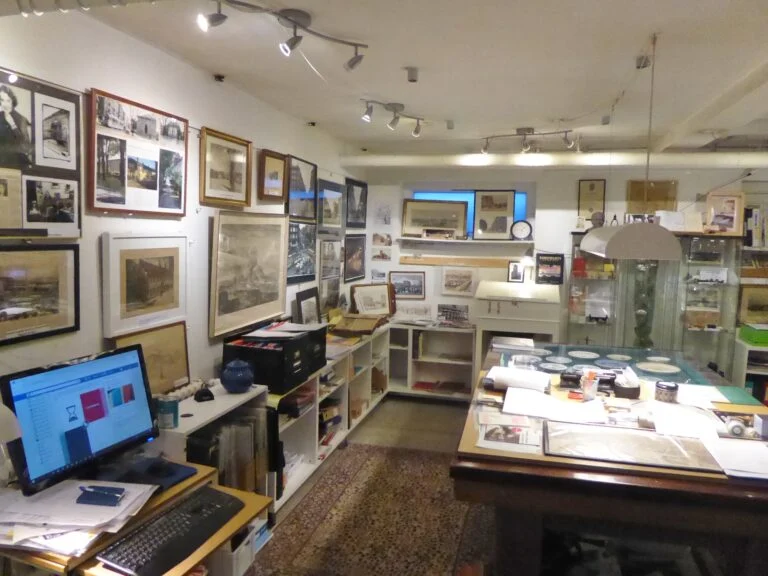
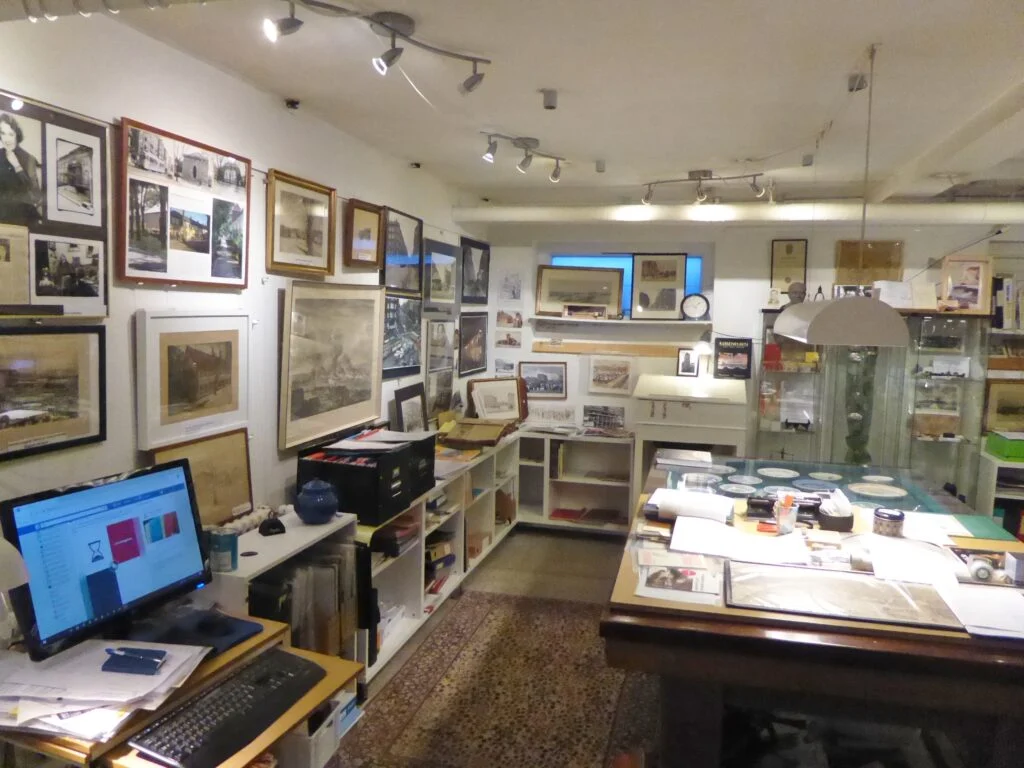
The heart of Østerbro lille Museum lies in its collection of objects that reveal the daily experiences and communal spirit of the Østerbro district. Visitors might encounter historical household items, textiles, tools, and personal belongings that once belonged to local families, painting a vivid picture of domestic and work life in various periods. These artifacts are thoughtfully curated to highlight the traditions and lifestyles that have persisted or changed throughout the district’s history.
Photographic archives and visual displays are an important component of the museum’s storytelling. They capture street scenes, public events, and intimate moments that together chart the neighborhood’s transformation. Exhibitions may also delve into significant local developments, such as industrial growth, housing projects, and social initiatives that have helped define Østerbro’s character.
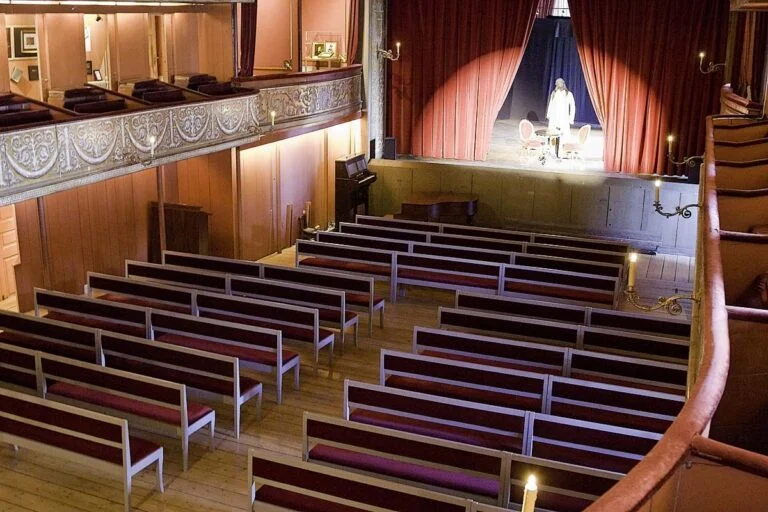
The museum may feature rotating exhibitions or special thematic displays that further enrich the visitor experience by focusing on particular aspects of local life, including cultural celebrations, education, or community activism. Such exhibits help to keep the narrative fresh and engaging, connecting the past to contemporary interests and concerns.
Building and Setting
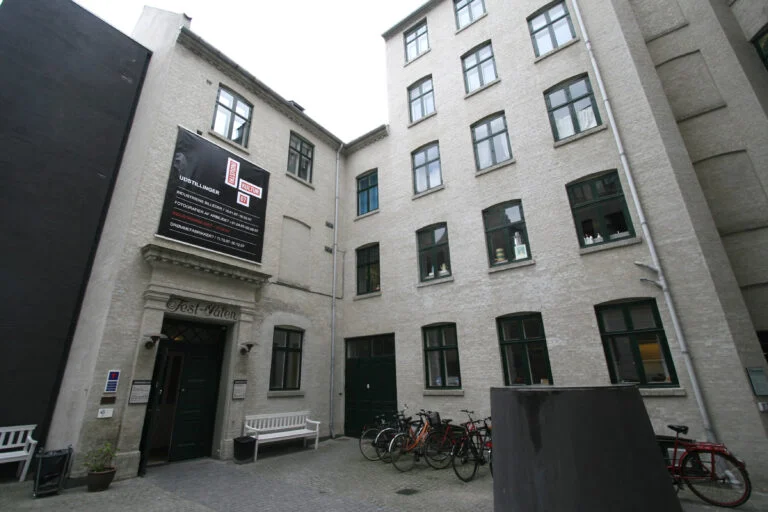
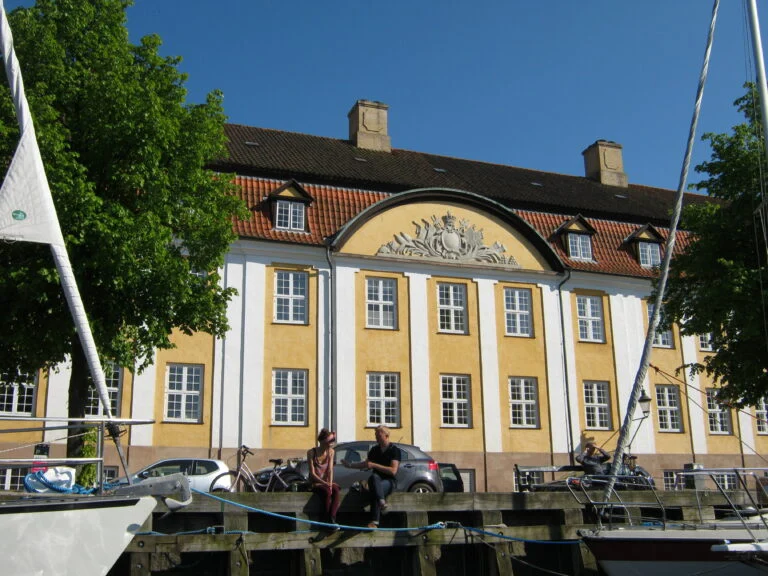
Østerbro lille Museum is housed in a location that complements its focus on local history. The building itself may be of historical significance or designed to fit harmoniously within the neighborhood, offering an authentic setting for the museum’s collections. Its relatively modest scale encourages a welcoming atmosphere, inviting visitors to explore at a relaxed pace.
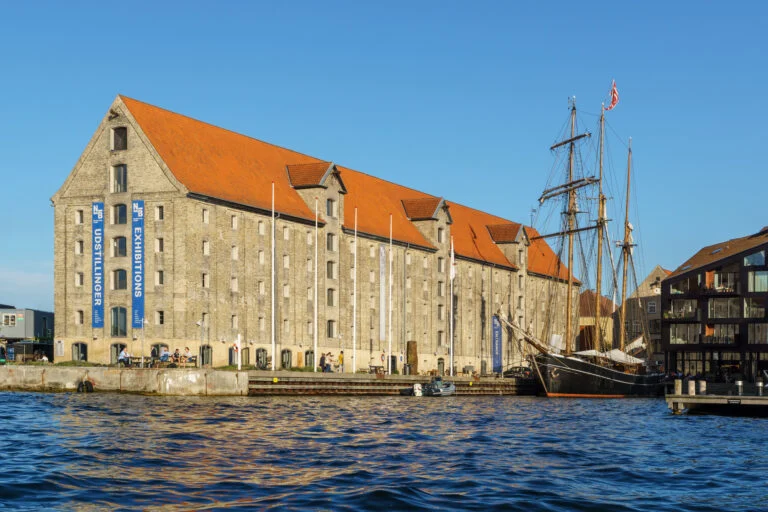
Situated in Østerbro, a district known for its blend of residential charm and urban vitality, the museum benefits from a location that is easily accessible and near several other cultural and recreational attractions. The surroundings typically feature a mix of traditional Danish architecture alongside modern developments, providing an insightful context for understanding the district’s evolution.
The museum’s position within the city allows it to serve as a cultural hub for the local community while also appealing to those interested in the broader history of Copenhagen. Its setting emphasizes the close relationship between place and memory, reinforcing the importance of neighborhood in shaping social identity.
Practical Information
Visitors planning to explore Østerbro lille Museum should check the latest information regarding opening hours, admission fees, and any special events or temporary exhibitions on the official website: http://www.detlillemuseum.dk/. Since details may vary seasonally or due to unforeseen circumstances, verifying these factors before visiting is advisable.
The museum typically caters to a diverse audience, including families, students, history enthusiasts, and tourists seeking a deeper connection with Copenhagen’s local culture. Accessibility features and visitor services may be available, but it is recommended to inquire in advance for specific needs to ensure a comfortable visit.
While the museum may offer guided tours or educational programs, information on scheduling or availability should be confirmed through direct contact or online resources. Visitors may also benefit from exploring related cultural sites in the Østerbro district to enrich their understanding of the area’s heritage.
Why Visit
Østerbro lille Museum presents a rare opportunity to experience the history of Copenhagen on an intimate scale, focusing on the people and stories that have shaped a distinctive part of the city. It invites visitors to move beyond grand narratives and explore the everyday realities that contribute to local identity and community cohesion.
This museum is especially appealing for those interested in social history, urban development, and cultural traditions within a Danish context. It provides valuable insight into how neighborhoods evolve while retaining a sense of continuity and belonging. The personal and communal nature of the collections encourages reflection on the relationship between place, memory, and identity.
Visiting Østerbro lille Museum can also enrich one’s appreciation of Copenhagen by highlighting a neighborhood that balances tradition and modernity, offering a quieter but equally vibrant perspective on the city’s life. For locals and visitors alike, the museum serves as both a repository of heritage and a living space for cultural engagement.
In a city filled with renowned art galleries, historic palaces, and expansive museums, Østerbro lille Museum stands out for its focus on local history and community stories, making it a rewarding destination for those seeking authentic experiences. Its warm and approachable atmosphere invites exploration, discovery, and connection, ensuring a meaningful visit that complements broader explorations of Denmark’s capital.