Arbejdermuseet Review
History Museums · Copenhagen, Denmark. Arbejdermuseet, or The Danish Labour Museum, stands as a significant institution dedicated to chronicling the history and culture of the working class in Denmark. Established in 1983, the museum’s mission revolves around preserving and…
History Museums · Copenhagen, Denmark. Arbejdermuseet, or The Danish Labour Museum, stands as a significant institution dedicated to chronicling the history and culture of the working class in Denmark. Established in 1983, the museum’s mission revolves around preserving and…
Best forDesign, architecture, visual culture
Review focusHistorical collections, local context, and visitor planning
Historical Context
Arbejdermuseet, or The Danish Labour Museum, stands as a significant institution dedicated to chronicling the history and culture of the working class in Denmark. Established in 1983, the museum’s mission revolves around preserving and presenting the social, political, and cultural development of workers from the late 19th century into the modern era. This period was marked by rapid industrialization and the subsequent rise of trade unions, labor movements, and political activism that shaped Danish society profoundly. The museum is situated in a building that once functioned as a labor union hall, adding a tangible layer of historical resonance to the exhibitions within. Through a combination of artifacts, immersive recreations, and multimedia presentations, Arbejdermuseet offers visitors insight into the everyday lives, struggles, and achievements of workers. It also contextualizes larger societal shifts, including the fight for workers’ rights, the welfare state, gender roles, and migration. The museum’s historical narrative is not only local but also intersects with broader European and global labor history.
What You See on Arrival
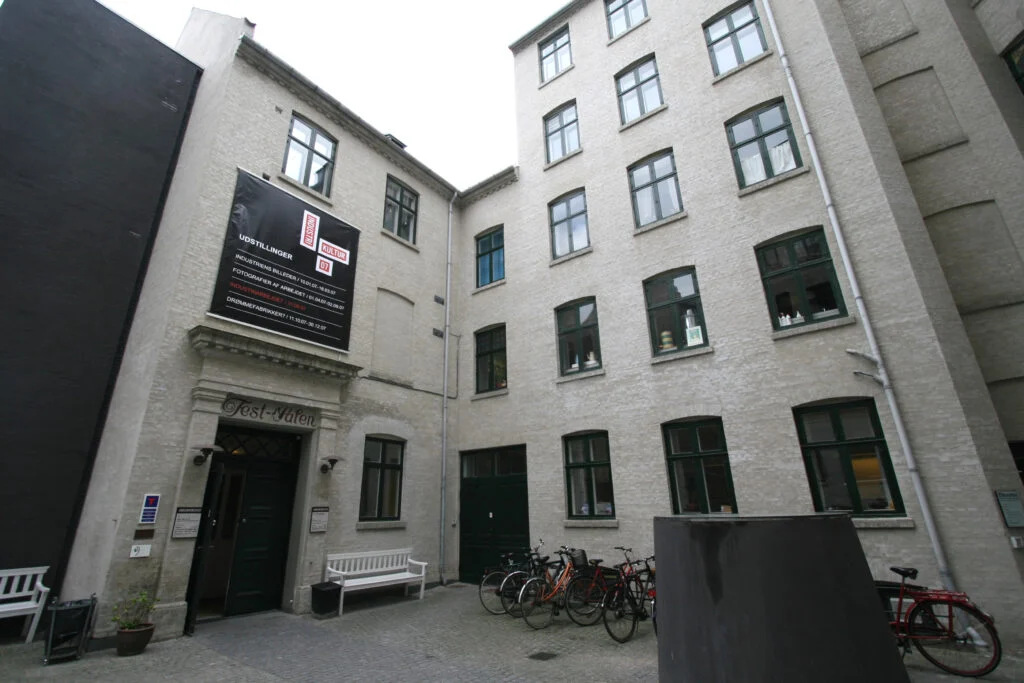
Upon arrival at Arbejdermuseet, visitors encounter a discreet yet welcoming entrance tucked within the vibrant urban fabric of Copenhagen’s city center. The museum’s façade reflects its heritage, retaining the architectural charm of the original workers’ union building, which evokes a sense of authenticity and continuity. Inside, visitors are greeted by a thoughtfully arranged space that balances the historical ambiance with modern exhibit design standards. The lobby area features clear signage and a modest reception desk, ensuring smooth orientation. A small museum shop offers related literature and unique souvenirs that connect to the themes of labor history and Danish cultural heritage. The initial exhibition areas flow organically from the entrance, gently immersing visitors into the world of Danish workers. The space is clean and well-maintained, emphasizing accessibility and comfort without overwhelming the visitor with excessive visual clutter.
Highlights and Key Exhibitions
Arbejdermuseet excels in its ability to blend a rich palette of artifacts with immersive and interactive displays, creating a dynamic narrative of working-class life. One of the core highlights is the faithful reconstruction of an early 20th-century workers’ apartment. This recreated domestic space enables visitors to step back in time to understand the living conditions, family dynamics, and everyday challenges faced by working-class families during pivotal decades of social change. Complementing this intimate perspective are displays related to the labor movement’s organizational structures, including trade union offices and meeting rooms that depict the efforts behind political activism and labor rights advocacy.
The exhibition extends to portray the role of women in the workforce and the shifting gender roles within industrial and post-industrial societies, offering a nuanced understanding of social history often overlooked in traditional historical accounts. The museum also tackles the impact of technological advancements on labor and the evolution of working conditions, addressing themes such as industrial safety and workplace welfare initiatives.
Multimedia installations and personal testimonies enrich the narrative, providing voices from history and contemporary reflections that bridge past and present. These incorporate audio-visual materials, archival photography, and oral histories, lending a human dimension to the technical and political storylines.
For those interested in the socio-political dimensions, the museum carefully traces the development of the Danish welfare state, showcasing how labor movements influenced national policies on education, healthcare, and social security. This contextualization places Arbejdermuseet within a broader dialogue about democracy, social justice, and civic responsibility.
Visitor Experience
Visitor experience at Arbejdermuseet benefits from thoughtful layout and interpretative design, inviting engagement without overwhelming. The museum employs straightforward signage, wall texts, and multilingual descriptions—primarily in Danish and English—making the exhibitions accessible to an international audience. Interactive elements encourage visitors to actively participate, fostering empathy and understanding rather than passive observation.
The use of recreated environments, such as the worker’s home and union meeting rooms, is especially effective in immersing visitors in historical contexts, affording a tactile dimension to learning. The museum’s audio-visual installations are well integrated, providing informative content that complements physical exhibits. However, some visitors might find the density of information demanding if attempting to absorb it all in one visit, suggesting that a paced approach may be preferable.
Staff presence is typically attentive and knowledgeable, prepared to assist with inquiries and provide additional context. Educational programs and guided tours, while not overly commercialized, add value for those seeking deeper insight into specific themes. Additionally, the museum caters well to families with children, offering accessible learning experiences that encourage curiosity about labor history and social change.
Tickets, Access, and Planning
Arbejdermuseet is situated within central Copenhagen, easily reachable by public transportation, including buses and the city’s metro system. Its central location makes it an ideal stop for visitors exploring the historic district. The museum is open regularly, with clear information on opening hours and any seasonal variations available on its official website. Admission prices are reasonable and represent good value given the depth and quality of exhibitions.
Facilities for visitors with mobility concerns are thoughtfully provided, including wheelchair access and elevators where necessary, ensuring an inclusive environment. The museum encourages advance planning through its website, which offers practical visitor information, details on current exhibitions, and suggestions for nearby points of interest. While the layout is manageable for individuals with limited time, a visit of at least one to two hours is recommended to fully appreciate the scope of the museum’s content.
The museum’s shop and café provide additional amenities that contribute to the visitor’s overall comfort. Payment options include standard methods, and staff are accommodating with regard to ticket purchases and general inquiries.
Final Verdict
Arbejdermuseet presents a compelling and well-curated exploration of Denmark’s labor history, offering an experience that balances educational depth with emotional resonance. Its strength lies in the combination of authentic historic settings and multimedia storytelling, which together offer a vivid portrayal of working-class life through changing epochs. The museum successfully illuminates the often underrepresented narratives of labor and social movements, placing these within wider national and global contexts.
While the exhibitions are rich in detail and thoughtfully presented, visitors seeking a quick overview might find the comprehensive displays somewhat intensive. Nevertheless, the museum’s user-friendly layout and clear interpretive aids facilitate a rewarding visit for a broad audience, from history enthusiasts to families and students. The Arbejdermuseet stands as a valuable cultural institution in Copenhagen, providing critical insights into social history and fostering an appreciation for the labor movement’s enduring impact on contemporary society.
For those interested in understanding the roots and evolution of working-class culture in Denmark, this museum offers an engaging and informative destination, distinguished by its commitment to authenticity, inclusivity, and educational outreach.