Oluf Høst Museum Review
Gudhjem, Denmark. The Oluf Høst Museum, located in the coastal town of Gudhjem on the Danish island of Bornholm, offers a focused glimpse into the life and work of one of Denmark’s most distinctive 20th-century painters.…
Gudhjem, Denmark. The Oluf Høst Museum, located in the coastal town of Gudhjem on the Danish island of Bornholm, offers a focused glimpse into the life and work of one of Denmark’s most distinctive 20th-century painters.…
Best forMuseum lovers, culture travelers, first-time visitors
Review focusCollections, visitor experience, and practical planning
Historical Context
The Oluf Høst Museum, located in the coastal town of Gudhjem on the Danish island of Bornholm, offers a focused glimpse into the life and work of one of Denmark’s most distinctive 20th-century painters. Oluf Høst (1884–1966) was a key figure in Danish modern art, closely associated with the Bornholm School of painters who were inspired by the island’s unique light and landscape. Høst’s work stands out for its blend of traditional Danish art with modernist influences, emphasizing the local environment while engaging with wider artistic currents of his time.
The museum is housed in the artist’s former home and studio, a property that remains much as it did during his lifetime. This connection to Høst’s personal environment provides a contextual anchor that distinguishes this institution from larger art museums where the work is removed from the artist’s lived space. In this respect, the Oluf Høst Museum serves both as a biographical site and an exhibition space, aiming to illuminate the intimate relationship between Høst’s surroundings, his life events, and his oeuvre.
Founded in 1998, the museum offers a rare opportunity to explore early- to mid-20th-century Danish art from the perspective of a regional artist whose work suffered relative obscurity outside Denmark for many years. Its location on Bornholm places it within a network of island cultural institutions that emphasize local heritage, occasionally challenging visitors to reconcile the remote setting with Høst’s broader artistic relevance. While the museum is clearly targeted toward those with an interest in Danish art history or Bornholm’s cultural identity, it does not claim to function as a comprehensive art museum in the usual metropolitan sense.
What You See on Arrival
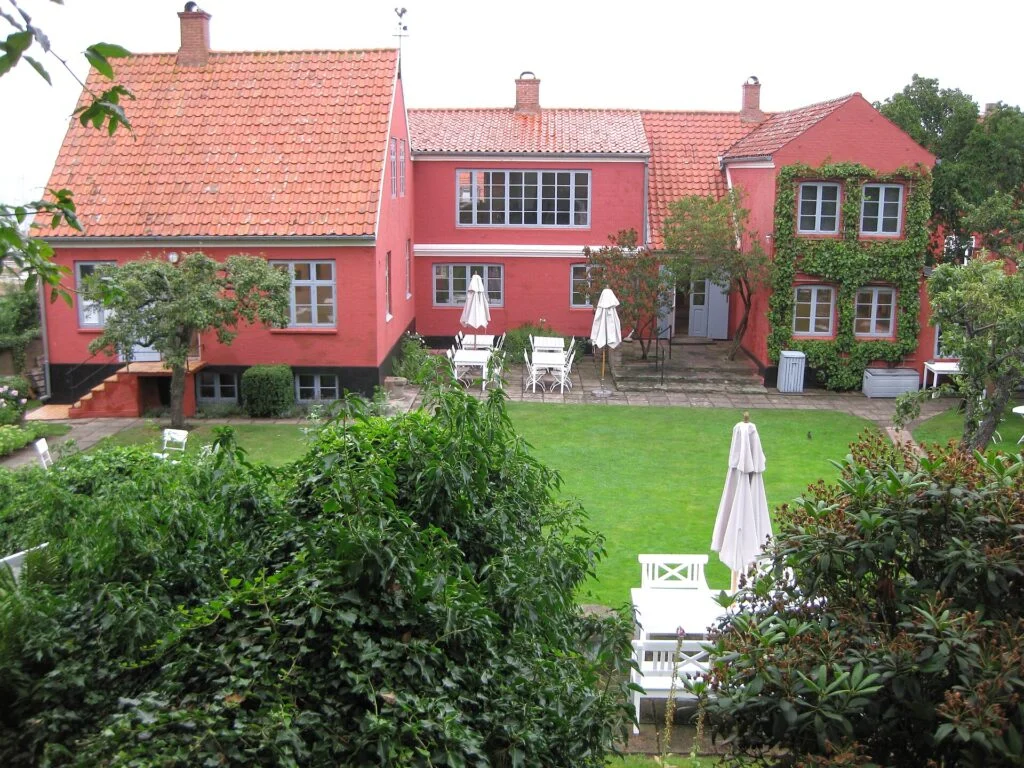
Arriving at the Oluf Høst Museum, visitors encounter a property that reflects the quiet, rural character of Bornholm’s northeastern coast. The museum is situated near Gudhjem, itself a small town known for its historic harbor and maritime culture rather than as a bustling urban center. The setting is modest, enhancing the sense of intimacy both with the artist’s work and his personal history. The museum building includes the artist’s home, studio, and garden, preserved in a way that permits a seamless transition between domestic architecture and displayed art.
The entrance experience is designed to establish a sense of place first and foremost. Visitors are gently introduced to the connection between landscape and creativity which defined much of Høst’s practice. Unlike larger national art museums which often emphasize grand entrances and architectural statements, the Oluf Høst Museum embraces an understated presentation. This humility aligns closely with the contemplative mood that characterizes much of Høst’s painting work.
The museum identifies itself primarily as a biographical site focused on an individual artist rather than a venue for broad contemporary art trends or a multi-artist survey. This distinction helps manage expectations: those looking for a comprehensive survey of 20th-century Danish art might find the scope narrow but concentrated. Visitors immediately gain the impression that the experience is immersive in a lived environment sense, rather than relying heavily on textual or interactive interpretation.
Highlights and Key Exhibitions
The core of the Oluf Høst Museum is its permanent collection of works by the artist himself, combined with the personal artifacts and memorabilia that illuminate his artistic process. Since Høst worked primarily in the first half of the 20th century, the paintings on display largely reflect the evolving art styles of that period—from late Romanticism to Impressionist and early Expressionist tendencies—while being firmly rooted in the Bornholm landscape.
Key paintings often featured include Høst’s portrayals of Gudhjem and its surroundings, characterized by strong, deliberate brushwork and a subdued, often brooding palette. His preference for twilight and evening scenes serves both as a formal experiment with color and a symbolic register of familiar Danish moods. Original sketches and preparatory studies frequently accompany finished canvases, allowing visitors to appreciate Høst’s methodical approach to composition and atmosphere.
The museum’s layout is organized partly by theme and partly chronologically, leading guests through the trajectory of Høst’s career and illuminating recurring motifs such as the windmills near Gudhjem, coastal views, and the seasonal changes impacting the island. This arrangement highlights the artist’s lifelong engagement with Bornholm as a subject rather than a backdrop, emphasizing how place defines artistic identity in Høst’s case.
Additionally, the museum includes some works by Høst’s associates and students from the Bornholm School, situating him within a regional artistic community. These pieces offer context but never overwhelm the central focus on Høst. The inclusion of domestic artifacts—furniture, household items, personal correspondence, and photographic materials—strengthens the biographical narrative without reducing the museum to a mere house museum.
What is less developed here is the inclusion of broader thematic or stylistic comparisons that might link Høst’s work to international art movements in a more explicit way. While art historians and engaged visitors can discern these connections, the museum’s curatorial style favors a coherent telling of the artist’s life over attempts to universalize or reframe the work in broader terms.
Visitor Experience
As a museum centered on a single artist within his home environment, the Oluf Høst Museum offers a quiet and focused visit. The experience is best suited to those with an existing interest in landscape painting, Danish art history, or regional cultural heritage. The flow through the rooms and studio allows for deliberate viewing and reflection, supporting an intimate engagement with the work.
The scale of the museum limits crowd size, which can benefit the contemplative visitor, but also means that visitor facilities and interpretive resources are more modest than at larger institutions. Interpretive materials tend to be straightforward, combining wall texts, labels, and occasional multimedia presentations that provide essential context without overwhelming the artistic content.
The museum’s strength lies in its ability to link the physical space—home, studio, and landscape—to the creative output. Visitors gain insight not only into the artwork but also into the rhythms of Høst’s daily life, his seasonal observations, and his dialogue with the Bornholm surroundings. This aspect offers a different kind of educational value compared to standard gallery displays.
However, the specificity of the subject matter might limit appeal for more casual art museum visitors or those interested in a broader range of styles and periods. The museum does not position itself as offering a wide array of interactive elements or installations designed to attract less specialized audiences. Those seeking comprehensive art historical overviews or large-scale national narratives may find this presentation narrow.
Tickets, Access, and Planning
Information about practical details such as hours, admission policies, accessibility, and supplementary visitor services is best confirmed by consulting the official Oluf Høst Museum website or contacting the institution directly. Given the museum’s location in Gudhjem—a town with limited public transport connections—prospective visitors should consider travel arrangements carefully, especially outside Bornholm’s main tourist season.
The modest scale of the museum suggests that it does not accommodate very large groups simultaneously, so checking ahead for any visitor guidelines is advisable, particularly for groups or during special local events that might affect opening times or access. The museum’s rural location may be less convenient for those relying on public transit, although it can be reached reasonably by bicycle or car.
As with many artist’s house museums, the blend of art display and domestic spaces means that some areas might not be fully accessible for visitors with mobility issues. The degree of access can vary year by year depending on maintenance or exhibition changes, so up-to-date information from the museum is essential for those with specific needs.
The Oluf Høst Museum is not generally oriented toward large-scale tourist flows, nor does it operate an extensive range of visitor amenities beyond what is typical for small heritage museums. Visitors planning their trip should be prepared for a quieter, more contemplative setting without expecting extensive commercial services on-site.
Final Verdict
The Oluf Høst Museum is a carefully curated institution dedicated to preserving and presenting the work and life of an artist who remained rooted in his local environment while engaging with broader art movements subtly and on his own terms. Its location on Bornholm, in the artist’s former home, shapes its identity as both a biographical museum and a gallery space, offering an unusually intimate look at creative process and environment.
For visitors with a particular interest in Danish art or the ways landscape shapes artistic identity, the museum offers a focused and authentic experience. It excels in illustrating how a single artist’s lifelong relationship with place can generate a body of work that is quiet but deeply felt. The presence of personal artifacts and the preserved domestic context provide meaningful interpretive support without detracting from Høst’s paintings themselves.
On the other hand, the museum’s small size and subject-specific scope impose natural limits. Those seeking a broader survey of Danish or Scandinavian art may find the collection’s scale too narrow, and visitors expecting extensive amenities or interactive programming might consider this setting somewhat restrained. Accessibility and transport considerations should also be part of planning due to Gudhjem’s modest infrastructure.
In sum, the Oluf Høst Museum appears best suited to motivated visitors who appreciate intimate art environments and who are prepared to engage thoughtfully with a contained but rich artistic narrative. It offers a unique window into a regional artist whose work engages deeply with place and time, but it requires a focused visitor mindset to fully appreciate the significance and coherence of its collection. Those who come with this perspective are likely to find the museum a quietly rewarding stop on Bornholm’s cultural map.
For current visitor information regarding opening times, ticketing, and available services, it is advisable to consult the Oluf Høst Museum’s official website before planning a visit.