Randers Kunstmuseum Review
Randers, Denmark. Randers Kunstmuseum, located in the city of Randers, Denmark, positions itself as a dedicated space for Danish art from the 20th century to the present day. Unlike general art museums that aim to present…
Randers, Denmark. Randers Kunstmuseum, located in the city of Randers, Denmark, positions itself as a dedicated space for Danish art from the 20th century to the present day. Unlike general art museums that aim to present…
Best forMuseum lovers, culture travelers, first-time visitors
Review focusCollections, visitor experience, and practical planning
A Museum with a Clear Point of View
Randers Kunstmuseum, located in the city of Randers, Denmark, positions itself as a dedicated space for Danish art from the 20th century to the present day. Unlike general art museums that aim to present an encyclopedic sweep across periods and styles, this institution focuses its narratives and acquisitions on modern and contemporary works with a particular accent on regional and national artistic developments. The museum’s identity is unmistakably tied to Danish cultural production, making it a distinctive site for those interested in understanding the trajectory of art in Denmark during the last century.
This focus is not simply chronological but also thematic and formal. The museum engages with Danish Modernism, the evolution of abstraction, and later post-war art movements, thereby framing a pointed conversation about national identity, artistic experimentation, and social change as reflected through art. The curatorial stance is clear: to examine and present Danish artistic practices in a way that situates local creators within broader dialogues of the 20th and 21st centuries, without resorting to an overwhelming international survey.
What Defines the Collection
Randers Kunstmuseum houses a collection built predominantly around Danish artists active from roughly the 1900s onwards. This includes significant portrayals of the Bornholm School, a group of painters who brought impressionistic and naturalistic sensibilities to Denmark’s small island landscapes, interpreting light and nature with delicate intention. Alongside this, the museum’s holdings extend to figures associated with more expressive and experimental post-war art, representing shifts in style and political engagement throughout the century.
The collection features various media, including painting, sculpture, prints, and drawings. Emphasis is placed on canonical Danish artists such as Vilhelm Lundstrøm and Else Alfelt, whose works serve as landmarks within the museum’s narrative. Additionally, the museum’s holdings cover graphic art and ceramics, reflecting the broader crafts movement that parallels Danish fine arts history.
While the collection is well-rooted in national strands, it also hints at international influences that have permeated Danish art, such as French modernism and German expressionism, though these external threads are curated to support rather than dominate the Danish focus. This deliberate framing offers visitors insightful perspectives on how regional art intersects with wider artistic currents.
Standout Galleries and Themes
Certain galleries within Randers Kunstmuseum merit particular attention for the coherence of their curatorial vision and the depth of their collections. A gallery dedicated to the Bornholm School presents an excellent opportunity to appreciate early 20th-century Danish landscape painting, characterized by a respectful study of light and environment. This section is strongly representative of Denmark’s natural and cultural landscapes and provides a concrete entry point into local artistic traditions.
Another notable area explores Danish Modernism through paintings that experiment with abstraction and form. Here, the dialogue between artists like Lundstrøm and Alfelt clarifies a transition from representational to more abstract modalities in Danish art. Sculpture and ceramics galleries supplement this, demonstrating the versatility and craftsmanship intertwined with major art movements.
The museum also includes thematic displays revolving around Danish identity, urban versus rural life, and the impact of socio-political changes on art. These thematic groupings assist in contextualizing works beyond formal qualities, encouraging visitors to consider content and context simultaneously.
Pacing, Interpretation, and Atmosphere
The museum’s layout contributes to an experience that is, by typical Danish museum conventions, orderly and deliberate. The visitor is invited to move through chronological and thematic sections with clear signage and logical progression of artworks. Galleries avoid overcrowding, which prevents visual fatigue and allows for contemplative engagement with individual works. The balance between larger paintings and smaller pieces like prints offers a varied rhythm, though some visitors seeking a brisk overview may find the experience somewhat methodical rather than dynamic.
Interpretive materials are factual and focused, providing background on artists, movements, and individual works without overwhelming the visitor with excessive academic jargon or speculative readings. Labels are concise, offering sufficient context to understand importance and style, though deeper interpretative layers may require supplemental reading or guided tours, which are not standard at this institution.
Atmospherically, the museum maintains a quiet and respectful environment typical of many Scandinavian art spaces. This fosters reflection but might also feel somewhat reserved, lacking interactive elements or contemporary multimedia enhancements that some visitors might expect. For those seeking a contemplative, traditional gallery experience with a clear narrative through Danish art, this setup works effectively.
Strengths and Limitations
Among Randers Kunstmuseum’s strengths is the focused scope of its collection. By concentrating on Danish art from the 20th century onward, it offers depth over breadth, an approach particularly useful for scholars, students, or enthusiasts of Danish art specifically. The quality of holdings is solid, presenting canonical as well as lesser-known artists who together chart a meaningful artistic journey.
The museum’s avoidance of sprawling international collections means it can maintain clarity and coherence in its displays. However, this specificity also limits its appeal for visitors looking for a more diverse or comparative art experience encompassing wider national or global art histories.
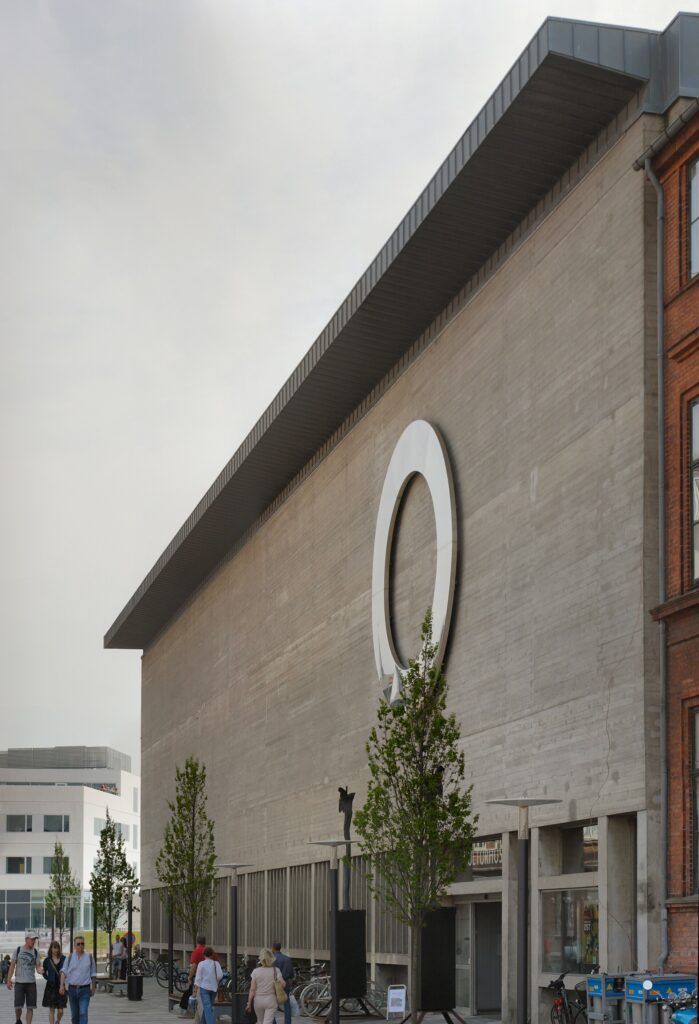
Another strength lies in the building’s spatial organization which makes measured viewing possible. It avoids overstimulation and respects the artworks’ scale and ambiance.
On the flip side, the museum’s atmosphere and interpretive strategy may feel conservative to those who prefer interactive or experimental presentation styles. Though effective for its mission, it is not a venue for avant-garde museum technology or highly immersive approaches. There may also be limited programming or changing exhibitions available at times, given the museum’s emphasis on its permanent collection rather than frequent temporary displays.
From a practical planning perspective, details about visitor amenities and support services are somewhat limited in public sources. Interested visitors should verify current arrangements through official channels since aspects like tours, audio guides, accessibility, and opening hours can impact the overall experience but are not comprehensively documented.
Before You Go
For those considering a visit to Randers Kunstmuseum, it is worth noting the environment and audience best suited to the museum’s offerings. The audience is likely to be people with a genuine interest in Danish art history, ranging from students and researchers to cultural tourists seeking insights into Denmark’s artistic identity post-1900.
Visitors who prefer large or international art collections with diverse global holdings might find the museum’s narrow focus too concentrated. Similarly, those who favor digital or interactive museum experiences might be somewhat underwhelmed by the straightforward, traditional exhibition style.
Clearly, checking the official museum website before arrival is advisable. This is necessary to confirm up-to-date information on visiting hours, admission policies, accessibility accommodations, and any special programming that might enhance the visit experience. Given the museum’s relatively modest profile compared to larger national institutions, practical details may shift and are best verified directly.
Final Assessment
Randers Kunstmuseum stands as a thoughtful institution presenting Danish art of the 20th and 21st centuries with a clear and defined curatorial focus. Its strength lies in concentrating on regional and national art movements, offering visitors carefully organized displays that trace development from early modernism to contemporary practices within Denmark.
The museum succeeds in providing a well-rounded understanding of its chosen era and geography through solid collections and well-considered gallery arrangements. Its approach is measured rather than flashy, privileging clarity and reflection over experiential gimmicks. Visitors interested specifically in Danish art or those willing to engage seriously with the subject will find considerable value.
That said, the museum’s refusal to broaden its scope significantly limits its appeal to general or international audiences looking for a more varied art historical survey. Likewise, its interpretive style and atmosphere lean towards the conservative, which might not suit those expecting highly interactive or multimedia-enhanced experiences.
In summary, Randers Kunstmuseum is a commendable small institution that occupies its niche effectively, particularly for those seeking insight into Danish artistic developments of the last century. Visitors should come prepared for a focused, contemplative art experience and plan their visit by consulting the museum’s official resources in advance to ensure a smooth visit.