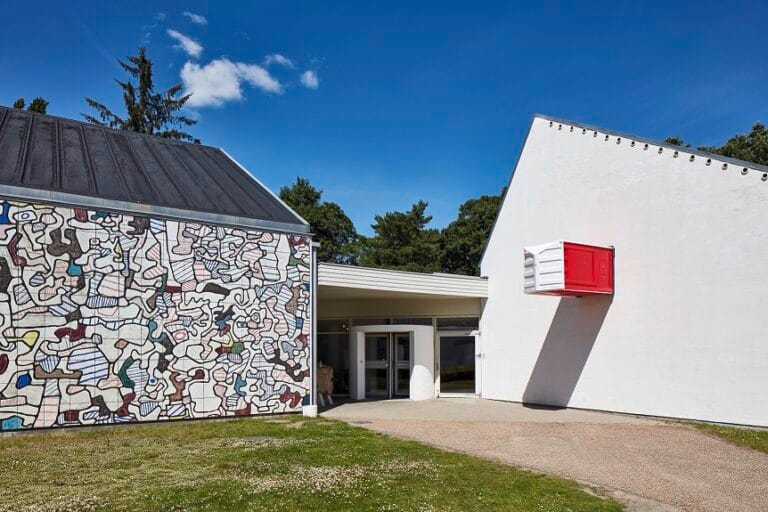
Oluf Høst Museum
Gudhjem, Denmark. The Oluf Høst Museum, located in the coastal town of Gudhjem on the Danish island of Bornholm, is a dedicated art museum centered on the life and work of Oluf Høst (1884–1966). Høst was…
Best forMuseum lovers, culture travelers, first-time visitors
Setting / nearbyGudhjem, Denmark
Overview
The Oluf Høst Museum, located in the coastal town of Gudhjem on the Danish island of Bornholm, is a dedicated art museum centered on the life and work of Oluf Høst (1884–1966). Høst was a significant figure in Danish painting during the 20th century, associated with the Bornholm school of painters. His art is deeply tied to local landscapes, seasons, and everyday scenes, making the museum not just an art institution but also a place that reflects the character and environment of Bornholm.
This museum functions primarily as a single-artist museum. It offers visitors an opportunity to explore Høst’s creative output, which includes a range of paintings, drawings, and personal artifacts. It situates his work within the context of Bornholm’s natural and cultural landscape in the early to mid-1900s. The museum holds particular importance for those interested in Danish modern art movements, artist biographies, and regional artistic traditions.
Collection Highlights
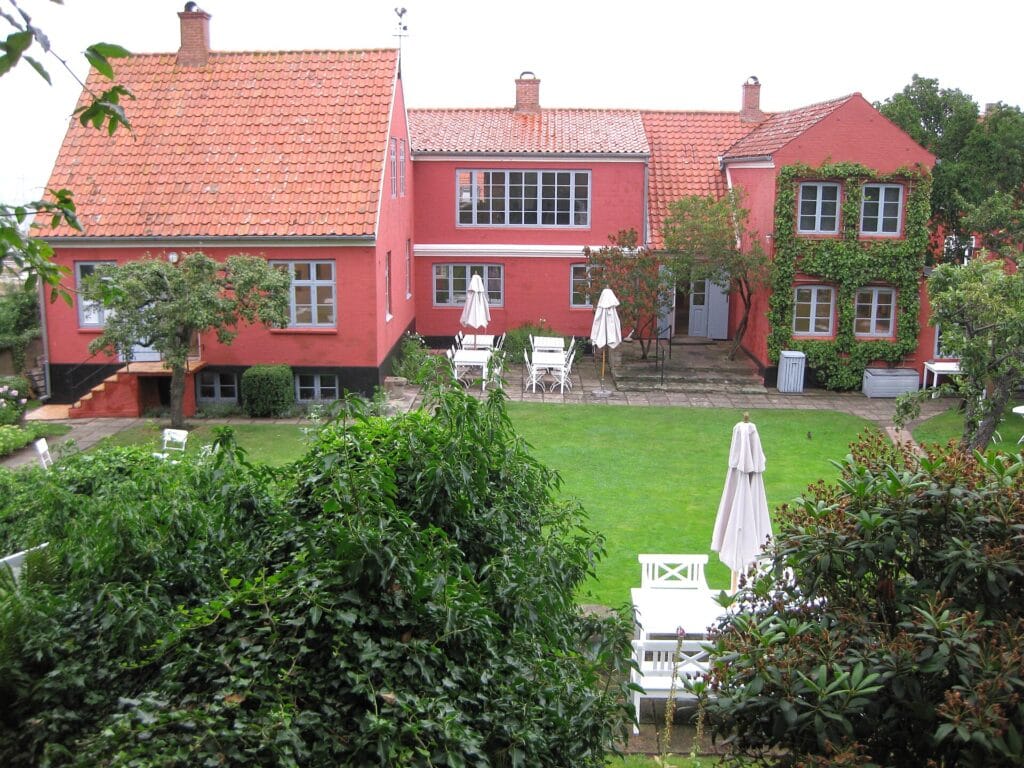
At the core of the Oluf Høst Museum’s collection are the paintings of Oluf Høst himself. These works mostly depict Bornholm’s landscape and everyday life, often rendered with a contemplative and at times brooding tone. Visitors can expect to encounter numerous representations of the local countryside, village scenes, and seascapes. His work is noted for its interplay of light and shadow and recurrent imagery, such as the characteristic red-roofed houses that appear repeatedly in his oeuvre.
The museum includes oil paintings as well as drawings and sketches which show the development of Høst’s themes and style over the decades. His interest in changing weather, the passage of time, and the seasons are important motifs found in the collection. Beyond finished paintings, the museum also displays personal belongings and studio objects that help convey Høst’s working methods and artistic concerns.
While the focus remains on Oluf Høst’s personal art, the museum occasionally provides context through related works by other artists or exhibitions that explore the Bornholm art scene and its influences. However, the collection is primarily driven by Høst’s personal legacy, making it a focused rather than broad-ranging art institution.
Building and Setting
The Oluf Høst Museum is located in Gudhjem, a small town on the island of Bornholm off Denmark’s eastern coast. Gudhjem itself is known for its charming harbor and distinctive steep streets, and the museum’s setting reflects the quiet, maritime atmosphere that characterized much of Høst’s subject matter.
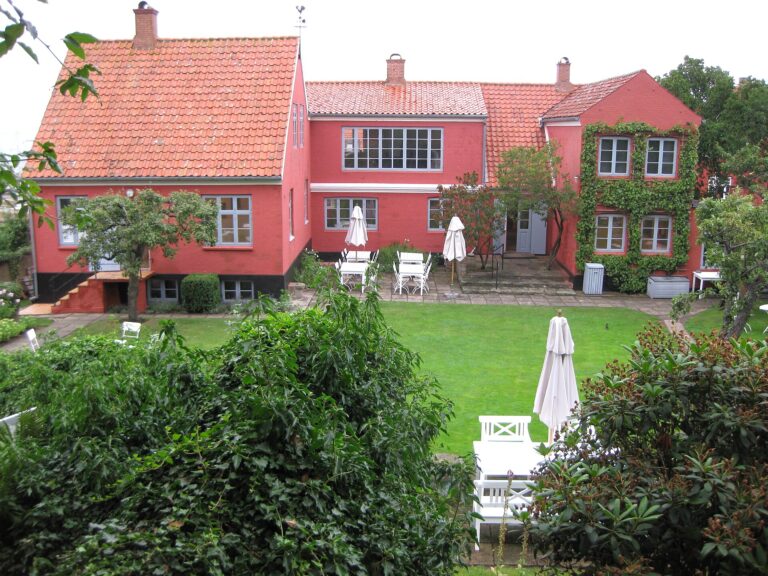
The museum is housed in the former home and studio of Oluf Høst, which has been preserved to provide a sense of his working environment. This setting adds greater depth to the visit by allowing visitors to connect the art on display with the physical space where Høst created it. The building’s architecture is typical of the regional style, with simple yet functional spaces that relate naturally to the surrounding landscape.
This intimate museum is modest in size, so it does not overwhelm with quantity but offers a concentrated and personal experience. Its location in Gudhjem’s old town means visitors can easily combine a visit with exploring local cafés, shops, and the harbor area, which offer a view of the landscape that inspired many of Høst’s paintings.
Practical Information
Visitors planning a trip to the Oluf Høst Museum should consult the official website or contact the museum directly for up-to-date information on opening hours, admission fees, and any available tours or guided visits. Since the museum is relatively small and specialized, visitors may want to check whether prior booking is needed or recommended during peak travel seasons.
The museum’s accessibility information, facilities, and availability of audio guides or educational materials might vary. Those with specific needs or preferences are advised to verify details in advance. Similarly, no details on café or shop facilities are confirmed here, so it is worth planning accordingly.
Given its location on Bornholm, reaching the museum typically involves travel by ferry and local transport or car. Visitors should allow time to navigate travel logistics, especially on weekends or holidays when visitor volumes may rise. The museum’s size means it can generally be explored within an hour or two, although art lovers may prefer a more leisurely visit.
Why Visit
The Oluf Høst Museum appeals particularly to those interested in the intersection of artist biography and regional art. It offers a rarely detailed look into the life and work of a Danish painter whose themes were closely linked to Bornholm’s environment but hold wider artistic significance in terms of mood and modernism.
A visit here may provide insight into how landscape painting endured and transformed during the 20th century in Denmark, reflecting broader artistic and personal concerns without the distractions of a larger, less focused institution. The intimacy of the museum setting, combined with the preserved studio environment, enhances understanding of Høst’s creative process and his relationship to place.
Visitors should temper expectations about the scale and scope since this is not a large contemporary art museum or a national institution. Its focus is narrow but deep, best suited to those willing to engage with the nuances of one artist’s extensive exploration of light, memory, and locale. Those with an interest in Danish culture, northern European landscapes, or the dynamics of single-artist museums will find particular value.
In summary, the Oluf Høst Museum offers a specialized museum experience where art and environment meet. It provides an accessible point of entry into a significant chapter of Denmark’s artistic heritage, framed by the unique character of Bornholm and the enduring legacy of Oluf Høst’s paintings. Anyone with curiosity about art’s relationship to place, mood, and the passing of time may find this museum a quietly rewarding destination.