Okinawa Prefectural Museum and Art Museum Review
Art Museums · Naha, Japan. The Okinawa Prefectural Museum and Art Museum, located in Naha, the capital of Okinawa Prefecture, stands as a pivotal institution dedicated to the rich history, culture, and art of the Ryukyu Islands. Okinawa’s unique…
Art Museums · Naha, Japan. The Okinawa Prefectural Museum and Art Museum, located in Naha, the capital of Okinawa Prefecture, stands as a pivotal institution dedicated to the rich history, culture, and art of the Ryukyu Islands. Okinawa’s unique…
Best forMasterpieces, architecture, cultural history
Review focusCollection highlights, building, visitor flow
Historical Context
The Okinawa Prefectural Museum and Art Museum, located in Naha, the capital of Okinawa Prefecture, stands as a pivotal institution dedicated to the rich history, culture, and art of the Ryukyu Islands. Okinawa’s unique position as a bridge between Japan, China, and Southeast Asia has shaped a distinctive cultural identity that this museum seeks to preserve and present. The museum’s scope goes beyond traditional Japanese art and history, emphasizing the Ryukyu Kingdom era, Okinawan folk culture, and post-war recovery. Established to promote a deeper understanding of Okinawa’s complex heritage, the museum combines historical artifacts with contemporary art, reflecting the dynamic interplay of tradition and modernity. It also addresses sensitive historical issues, including the impact of World War II and the ongoing presence of U.S. military bases, providing a nuanced narrative rarely found in conventional museum settings. This contextual foundation is essential to appreciating the museum’s broader mission to foster cultural pride and educate both residents and visitors about the Okinawan identity.
What You See on Arrival
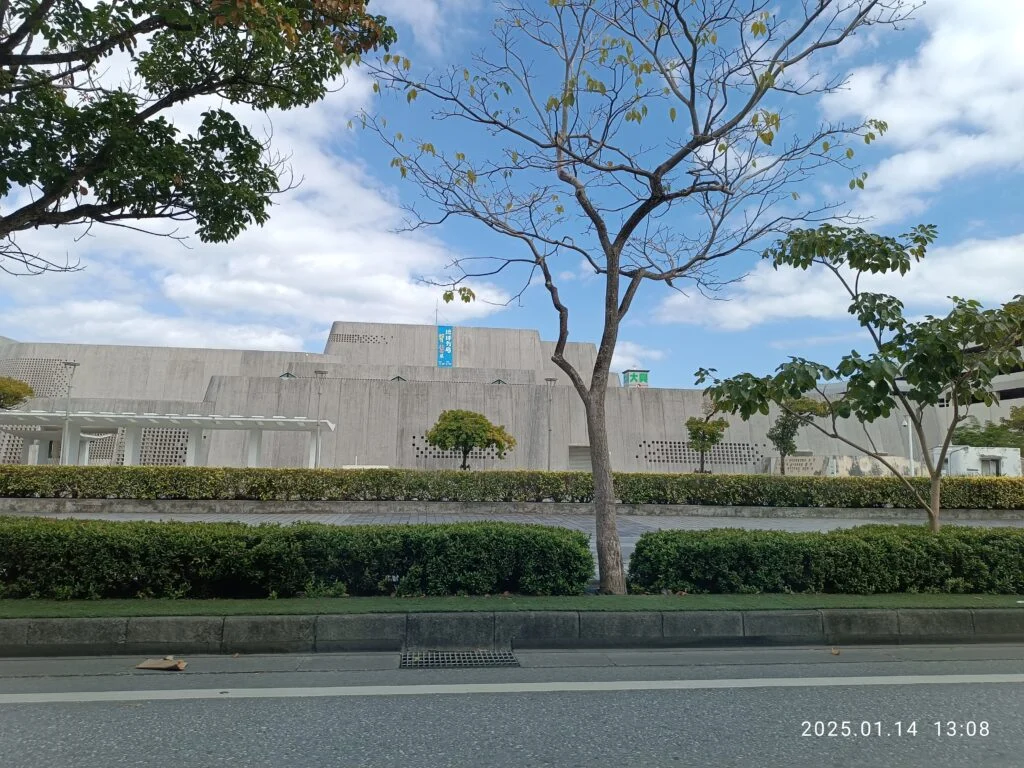
Visitors approaching the Okinawa Prefectural Museum and Art Museum are greeted by a striking modern architectural design that harmoniously blends with the surrounding natural environment. The building’s sleek lines and use of local materials like black coral stone create a sense of place, rooting the institution firmly in Okinawa’s landscape. The entrance plaza features a serene open space, thoughtfully landscaped with indigenous flora that introduces visitors to the island’s natural beauty before they step inside. On arrival, informative signage and clear directional markers set the tone for an organized and accessible visit. The museum’s layout is divided between two main wings, one focused on history and natural sciences, and the other dedicated to art, allowing visitors a clear sense of direction. A large lobby houses a welcoming reception desk, a museum shop stocked with regionally inspired goods, and a café offering light refreshments, all designed to cater to diverse visitor needs. Early impressions suggest a well-maintained facility that is inviting without being overwhelming.
Highlights and Key Exhibitions
One of the museum’s foremost strengths lies in its well-curated historical exhibits that chart Okinawa’s journey from the prehistoric period through the Ryukyu Kingdom era, up to modern times. The archaeological displays, including ancient pottery, tools, and trade artifacts, offer insights into early island life and overseas interactions. The extensive Ryukyu Kingdom exhibit is especially notable, with its intricate lacquerware, traditional textiles, and replicas of royal regalia, giving a tangible sense of the region’s regal past. The museum’s natural history section underscores Okinawa’s biodiversity, featuring displays on the island’s unique fauna and marine ecosystems, enriching the broader cultural narrative.
On the art side, the museum showcases a diverse collection spanning traditional Okinawan folk crafts, such as bingata textiles and ceramics, as well as contemporary works by Okinawan artists. This balance emphasizes the ongoing evolution of local art traditions. Temporary exhibitions, while changing, typically continue this focus, offering both regional and occasionally international perspectives on art and culture.
Throughout the museum, multimedia installations and bilingual explanations enhance the storytelling, making the exhibitions accessible to a global audience. However, in some cases, explanatory texts could benefit from deeper contextualization, particularly for visitors less familiar with Okinawan history or language nuances.
Visitor Experience
The Okinawa Prefectural Museum and Art Museum generally aims for a visitor-friendly experience supported by clear signage and spacious galleries. The lighting and display cases are thoughtfully arranged to highlight artifacts and artworks without distracting glare or overcrowding. However, some visitors might find the approach to exhibit pacing somewhat traditional, favoring a linear path that can appear lengthy for those seeking a quicker overview.
While the museum does well in balancing educational content with visual appeal, there are moments when the density of historical information may feel overwhelming, especially in sections that delve deeply into political and wartime subjects. With that said, the availability of audio guides and interactive displays helps mediate this challenge, catering to a range of learning preferences.
The museum shop and café provide pleasant spaces to unwind and reflect on the visit, with locally produced souvenirs and a menu that includes Okinawan specialties. Rest areas are sufficiently spaced, but seating can be limited during peak times. The staff is known for being courteous and helpful, though English proficiency may vary, which is something to consider for international visitors.
Tickets, Access, and Planning
Planning a visit to the Okinawa Prefectural Museum and Art Museum is relatively straightforward. The institution is centrally located in Naha, accessible via public transportation and within reasonable distance from other cultural landmarks in the city. Parking facilities are available but may be limited on busy days.
Admission fees are modest and aligned with other public museums in Japan, with discounts offered for students, seniors, and groups. Entry is free for children under a certain age, encouraging family visits. The museum’s official website provides up-to-date information on opening hours, fees, and any visitor advisories, which is advisable to consult before arrival.
Accessibility is well-considered with ramps, elevators, and accessible restrooms, supporting visitors with mobility challenges. The museum also offers materials and services tailored for visually or hearing-impaired guests, though these might not be as extensive as in some larger metropolitan institutions.
Visitors should allocate at least two to three hours to appreciate the breadth of exhibits comfortably. Those with a strong interest in Okinawan history or art may find themselves wanting more time, especially to explore both the permanent collections and rotating exhibitions thoroughly.
Final Verdict
The Okinawa Prefectural Museum and Art Museum presents a compelling and comprehensive portrait of Okinawa’s multifaceted identity through its thoughtful historical and artistic displays. Its commitment to showcasing the cultural distinctiveness of the Ryukyu Islands while acknowledging the complexities of modern Okinawa makes it a valuable destination for cultural enthusiasts, historians, and casual visitors alike.
While the museum excels in architectural integration, artifact curation, and educational programming, it occasionally leans toward a traditional museum model that might feel information-heavy for some. Nonetheless, the availability of multimedia aids and bilingual explanations mitigates this potential barrier. The facility’s attention to visitor comfort, accessibility, and local engagement further enhances its appeal.
This institution stands as a vital cultural resource, providing insight not only into Okinawa’s past but also into its ongoing story as a unique region within Japan and the broader Asia-Pacific. For those seeking to deepen their understanding of Okinawan culture or simply appreciate its artistic heritage, the Okinawa Prefectural Museum and Art Museum offers a richly rewarding experience grounded in authenticity and respect for the region’s enduring legacy.