National Museum of the Philippines Review
Manila, Philippines. The National Museum of the Philippines stands as the central institution committed to preserving and presenting Filipino identity through history, art, and natural heritage. Unlike general museums that might scatter attention over a broad…
Manila, Philippines. The National Museum of the Philippines stands as the central institution committed to preserving and presenting Filipino identity through history, art, and natural heritage. Unlike general museums that might scatter attention over a broad…
Best forMuseum lovers, culture travelers, first-time visitors
Review focusCollections, visitor experience, and practical planning
Why This Museum Matters
The National Museum of the Philippines stands as the central institution committed to preserving and presenting Filipino identity through history, art, and natural heritage. Unlike general museums that might scatter attention over a broad array of unrelated topics, this museum anchors itself in the specific task of chronicling the Filipino experience, from precolonial times to the contemporary era, across a wide range of disciplines. Its focus is not merely on assembling objects but on defining and celebrating the nation's cultural and natural legacy with a distinctly national orientation.
This definition matters because museums dedicated to nationhood often face pressures either to lean heavily into nationalist mythology or to risk dilution by trying to be too encyclopedic. The National Museum of the Philippines negotiates this balance in important ways. It offers a substantial collection rooted in Philippine archaeology, ethnology, fine arts, and natural history that resists simple glorification and aims instead for depth and complexity. The institution is part of a broader governmental effort to foster historical awareness amid a society navigating rapid modernization and globalization. Its role is not just about preservation but also about consolidating historical narratives that have often been fragmented or marginalized, contributing to a clearer sense of Filipino cultural and ecological roots.
The Collection in Focus
The museum’s collection divides mainly into three branches: archaeology and ethnography, natural history, and fine arts. Among these, the archaeological and ethnographic holdings provide a foundation often missing in other Southeast Asian national museums—the emphasis on indigenous cultures and precolonial societies. The prehistoric artifacts, such as Neolithic tools and burial jars, offer a tangible link to ancient Philippine civilizations. Important items include early pottery, metalwork, and textiles that reflect diverse ethnic groups like the Ifugao and the T’boli. This grounding in indigenous material culture prevents the museum from being solely a repository of colonial-era legacy or imported art.
In the natural history section, specimens like the iconic Philippine eagle and endemic fauna reflect the nation’s rich biodiversity. This aspect is not just a nod to natural sciences but a reminder of the island archipelago’s environmental uniqueness. The conservation message is subtle but persistent, providing a context that many visitors might overlook in other cultural museums.
Fine arts holdings cover the span from 19th-century nationalist painters such as Juan Luna and Fernando Amorsolo to contemporary artists exploring Filipino identity in a modern context. Luna’s celebrated “Spoliarium,” a monumental painting about suffering and colonial oppression, remains a key piece embodying political and artistic significance. These artworks trace artistic evolution alongside historical currents, bridging art history with social themes.
Compared to other museums in the region, the National Museum’s collection sacrifices neither breadth nor depth but exposes the tangled and at times contradictory narrative of a colonized and diverse archipelago. There are gaps, particularly in post-World War II contemporary art and in the representation of Muslim Mindanao’s artistic traditions, which receive less attention. Still, the core holdings provide a critically important baseline for understanding the Philippines through its material culture.
How the Story Is Told
The museum’s narratives unfold largely through traditional display methods, with objects grouped by chronology, theme, and region. The archaeological and ethnographic objects are paired with well-researched labels and occasionally multimedia elements that enrich context without overwhelming the presentation. The text panels appear carefully written and avoid jargon, making them accessible to a broad public but also precise enough for serious students of the region’s history.
Artworks are exhibited alongside their historical and political backgrounds, helping situate them within larger social movements, such as the nationalist movements of the late 19th century and postcolonial identity debates. Yet, there is a cautious restraint in interpretation; artworks don’t come with heavy-handed readings, allowing different perspectives to emerge. The museum’s reluctance to impose singular narratives is a strength, although it may leave visitors seeking deeper interpretive engagement wanting more.
Natural history exhibits rely heavily on specimen displays and taxidermy, supplemented with explanations of habitats and ecological challenges. While informative, these displays can feel somewhat dated in museological terms, lacking the immersive, interactive qualities found in natural museums elsewhere. This approach keeps the focus sharp but does little to enliven a subject that benefits greatly from dynamic presentation.
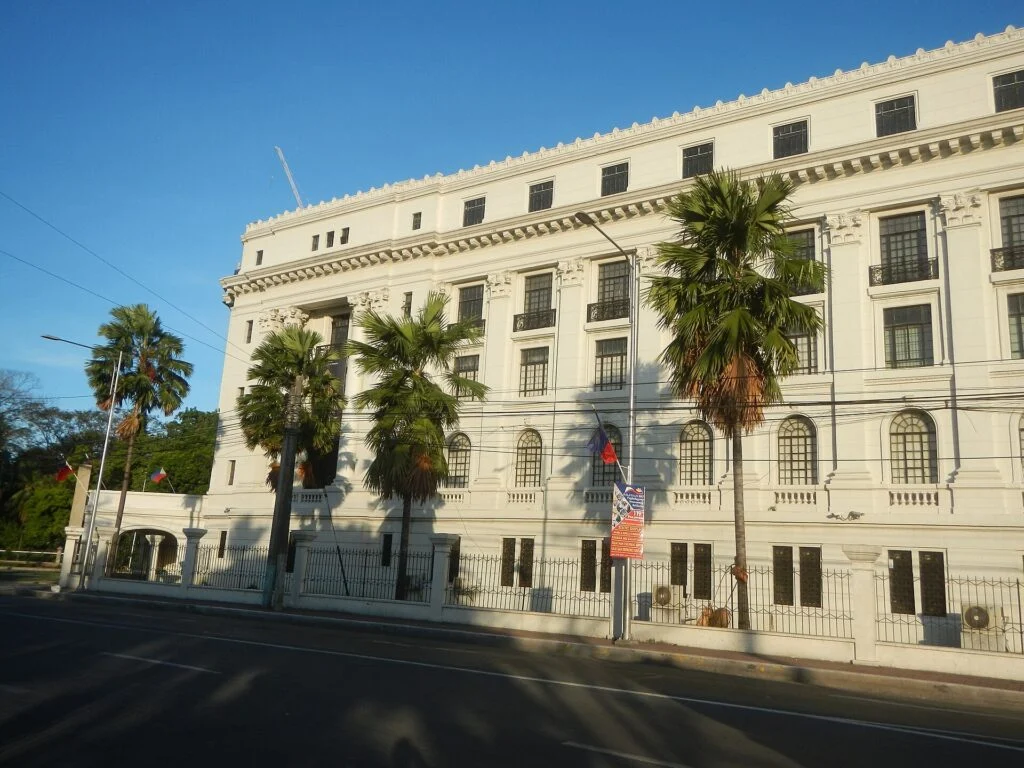
The museum’s building itself, originally a neoclassical structure from the early 20th century, frames the collection with a sense of historical continuity. Its solid architecture projects institutional authority, though it presents certain spatial constraints—ceiling heights, lighting, and layout—that limit exhibition innovation. The National Museum does an adequate job making the most of its space, but the physical environment often reminds visitors of the challenge to modernize within a protected heritage building.
The Visitor Experience
Details on visitor services and amenities are less frequently documented, but as the nation’s premier museum institution, it can be inferred that basic provisions such as ticketing, information desks, and security are in place. Factors like signage clarity, visitor flow, and orientation aids influence the experience, yet reliable information about these is sparse. The museum’s sizeable and varied collection means pacing can be uneven; some exhibits demand close attention due to their intricacy and symbolism, while others invite shorter, more casual viewing. This meshes with the broad interests addressed but makes a single visit feel ambitious.
The museum’s location in Manila places it in the center of the country’s cultural and governmental activities, accessible for both local and international visitors. Proximity to other cultural landmarks enriches a day of exploration but also competes for attention. Written guides and online resources are critical aids, particularly for those wanting to delve deeper into the collections’ socio-historical backgrounds.
The institution has offered exhibitions and educational programs that extend beyond static displays, although the prominence and reach of these efforts fluctuate. This museum seems geared primarily towards audiences with some prior interest or background in Philippine history and culture rather than casual tourists, which shapes expectations about visitor support and interpretation.
Who Will Enjoy It Most
The museum holds particular significance for those invested in Southeast Asian studies, Philippine history, and indigenous cultures. Scholars and students researching precolonial societies, colonial history, or postcolonial identity will find the archaeological and ethnographic collections especially informative. Art historians examining nationalism in Southeast Asian visual culture will appreciate the holdings of pioneering Filipino painters.
Nature lovers interested in regional biodiversity can also find value in the museum's natural history exhibits, though those seeking interactive or cutting-edge ecological displays might look elsewhere.
Given the museum's sometimes academic tone and reliance on textual interpretation, visitors with a genuine curiosity about Filipino heritage but limited prior knowledge might struggle without additional resources. It caters well to an audience willing to engage intellectually or with specialized interests rather than those expecting a purely entertainment-focused outing.
Planning the Visit
Current practical details such as opening hours, ticketing policies, available discounts, and whether guided tours or audio guides are offered should be checked on the official National Museum of the Philippines website before planning a visit. Given the museum’s status and location, it is reasonable to expect that these will be clearly communicated and managed, but verification is advised.
Visitors should allow several hours to absorb the depths of the collection or consider multiple visits if time is limited, especially if combining art, archaeology, and natural history is important. Language may not pose a significant barrier as exhibits are primarily in English and Filipino, but supplementary materials or programs in other languages are less certain.
Accessibility arrangements are not widely detailed in publicly available sources, so those with specific needs should inquire in advance.
Editorial Verdict
The National Museum of the Philippines occupies a pivotal position as a custodian of Filipino history, art, and natural heritage. Its strength lies in a coherent and focused suite of collections that navigate the complexities of a diverse archipelago shaped by indigenous traditions, colonial encounters, and nationalist aspirations. By foregrounding archaeological and ethnographic artifacts alongside significant artworks and natural history specimens, the museum creates a layered narrative that resists simplistic storytelling.
Though some presentation elements reflect the constraints of a heritage building and more traditional museology, the collections themselves are well-chosen and documented. The museum’s reluctance to over-interpret its art and artifacts invites thoughtful engagement but also limits appeal to more casual visitors. There is room to strengthen the inclusiveness and dynamism of the exhibition methods, particularly in natural history and contemporary cultural expressions.
Ultimately, the museum is most effective as a resource for those committed to understanding Philippine culture and history through its physical traces. It is a reference point rather than an entertainment venue, making it an essential institution in the network of Southeast Asian museums, especially for specialists and informed audiences.