National Museum of Georgia Review
Tbilisi, Georgia. The National Museum of Georgia presents more than a broad national survey; it embodies a focused effort to articulate Georgia’s distinct historical and cultural trajectory through its archaeological, historical, and ethnographic treasures. Located in…
Tbilisi, Georgia. The National Museum of Georgia presents more than a broad national survey; it embodies a focused effort to articulate Georgia’s distinct historical and cultural trajectory through its archaeological, historical, and ethnographic treasures. Located in…
Best forMuseum lovers, culture travelers, first-time visitors
Review focusCollections, visitor experience, and practical planning
A Museum with a Clear Point of View
The National Museum of Georgia presents more than a broad national survey; it embodies a focused effort to articulate Georgia’s distinct historical and cultural trajectory through its archaeological, historical, and ethnographic treasures. Located in Tbilisi, this institution eschews the generic “national museum” label as a bottomless catch-all in favor of orienting its vast holdings toward Georgia’s pivotal role at the crossroads of Europe and Asia. Far from merely cataloguing objects, it foregrounds the deep roots of Georgian statehood, religion, artistry, and societal development, providing a coherent framework rather than a diffuse narrative. This clarity of purpose ensures the collection has a sharper analytical edge compared with broader national institutions that might dilute their identity by trying to cover everything with equal weight. The museum’s point of view is thoroughly Georgian—not just in geography but as an assertion of cultural continuity amid a complex regional history.
What Defines the Collection
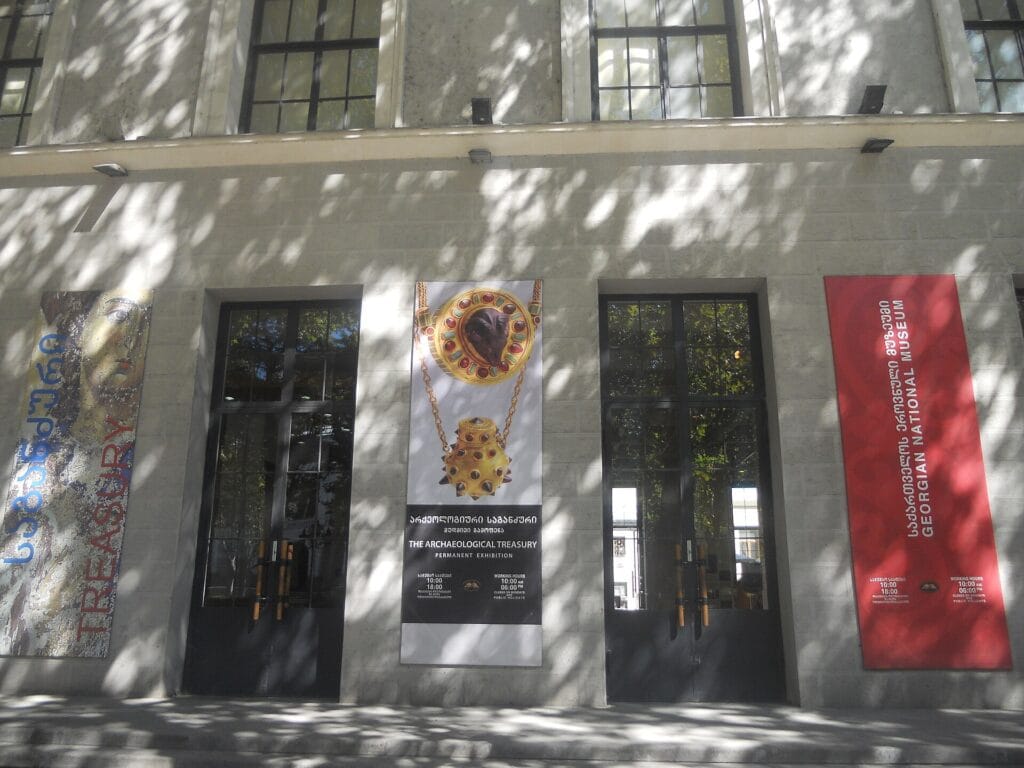
Dating from prehistoric times to the modern era, the collection’s spine lies in its archaeological artifacts, medieval Christian iconography, numismatics, and ethnographic materials. The archaeological holdings are substantial, with items from the Bronze Age Colchian culture through to classical antiquity, reflecting Georgia’s role as a corridor for human migration and cultural exchange. Objects such as the ancient gold funeral masks from the Pichvnari necropolis demonstrate both technical mastery and the interstate connections Georgia once had with the Mediterranean. Medieval religious art dominates another core segment, showcasing the Georgian Orthodox Church’s integral role in national identity formation. Georgian manuscripts, fresco fragments, and illuminated texts provide a particularly vivid window into this era.
Ethnographic displays, while less visually arresting, add an essential social dimension, introducing traditional garments, household items, and tools that narrate the rural and village life underpinning much of Georgian society until recent times. These collections deepen understanding of grassroots culture beyond the monumental and sacred. Coins and medals punctuate the story with insights into commerce, political authority, and shifting power dynamics within Georgian territories. While comprehensive in scope, the collection consistently prioritizes objects that illustrate state formation, cultural resilience, and regional interactions rather than presenting a generalized regional or Soviet-era history.
Standout Galleries and Themes
The archaeological galleries hold particular weight, revealing Georgia’s ancient civilizations with material that is both regionally specific and globally significant. The Colchian gold collection demands attention because it refutes any simplistic notion of Georgia as periphery, instead positioning it as a producer and conduit of sophisticated metalwork and ancient wealth. These objects confront the visitor with tangible evidence that Georgia once participated in broader circulations of luxury and artistic innovation.
The medieval Christian art section is equally compelling. It goes beyond static religious art and instead reasserts how the Georgian Orthodox Church functioned as a cultural and political anchor during centuries of foreign domination and internal fragmentation. The manuscripts and frescoes, some borrowed from churches outside the capital, bring regional variations and theological nuances to light—no small achievement for a museum representing national unity.
Ethnographic areas balance this historical weight by highlighting everyday survival strategies and communal identities, foundations often overshadowed by grand narratives of empire and faith. This choice strengthens the museum’s argument that Georgian identity is not confined to elite or sacred domains. The coins gallery, though small, offers a succinct chronological summary of Georgia’s economic history and its connections to neighboring empires, rounding out the overall narrative with its practical implications.
Pacing, Interpretation, and Atmosphere
While direct information on the visitor experience is limited, reports suggest that the museum employs largely traditional display methods, with static cases and text panels rather than highly interactive technology. This can be a double-edged sword. On one hand, the more subdued presentation allows the artifacts themselves to hold the spotlight, especially the rarer, delicate objects that might lose impact in over-stimulation. On the other hand, visitors accustomed to more multimedia-driven exhibitions could find some sections less engaging or harder to contextualize, especially without a guide.
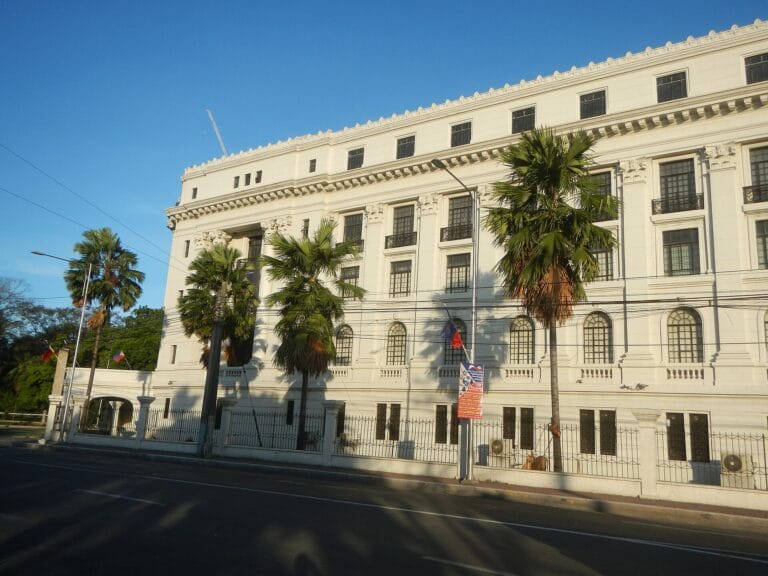
Pacing is likely uneven due to the breadth of the collection. The density of objects in core archaeological and medieval sections demands time and some prior interest. The ethnographic and numismatic sections, by contrast, may serve as lighter respites. The overall atmosphere probably reflects the building’s neoclassical architecture, which carries a sober, institutional tone consistent with a national archive rather than a commercial leisure destination. This suits the museum’s scholarly ambitions but may not encourage casual browsing.
Interpretative materials seem to focus on factual description rather than narrative storytelling or thematic unpacking. Labels tend to situate objects within Georgian history carefully, though the extent of multi-language support or accessible summaries is unclear from public data. Attention to detail in describing origins and linkages suggests an informative approach, but not one designed for rapid or emotional visitor engagement.
Strengths and Limitations
A clear strength is the museum’s emphasis on Georgia’s historical depth and cultural specificity. Its collection of Colchian gold work and medieval religious manuscripts is internationally recognized among specialists. By anchoring the museum around these holdings, it avoids the trap of fragmentary identity that afflicts many national museums in borderlands. The ethnographic and numismatic components add important contextual layers without diverting from this central thesis.
The main limitation lies in the museum’s traditional presentation style and variable interpretative innovation. The focus on cataloguing and conservation sometimes prioritizes completeness over visitor accessibility. Absence of multimedia or more immersive interpretive aids might limit appeal to younger audiences or those unfamiliar with Georgian history. Moreover, temporal and physical constraints of the historic building could restrict expansion or diversification of displays.
Another practical issue is the relative scarcity of contemporary or Soviet-era collections, which are often crucial for understanding Georgia’s recent transformations and modern identity politics. This choice reflects the institution’s chronological priorities but narrows the scope of experience for those interested in recent history.
Before You Go
Potential visitors should verify current details on the museum’s official site, including opening hours, ticketing, and any visitor services. Given official information is not fully documented in widely accessible sources, it is advisable to check if advance bookings are required or recommended. Details about tours, availability of audio guides, or accessibility features also warrant confirmation to avoid surprises.
For anyone planning a visit from abroad, familiarity with Georgian history beforehand will likely enhance appreciation, particularly regarding the archaeological and medieval collections. Those less acquainted with the subject may find the museum intellectually rich but dense, so preparing some background reading could aid absorption.
Final Assessment
The National Museum of Georgia is defined by its commitment to presenting a concentrated, historically grounded view of Georgian culture and history. This focus shapes a collection that is strongest when unpacking Georgia’s ancient civilizations and the medieval Christian heritage that helped define its national character. The blend of archaeology, religious art, ethnography, and numismatics achieves a measured, multi-layered portrait of a nation shaped by geography and faith.
However, the museum’s traditional display style and relatively limited interpretative methods may pose challenges for more casual or younger visitors. The omission of substantial contemporary and Soviet-era materials narrows the coverage but reflects a deliberate curatorial stance. For those interested in the deep roots of Georgian culture and identity expressed through art and artifacts, this museum offers valuable, authoritative insights framed with clarity. Its intellectual rigour makes it a significant institution within the region, even if its accessibility could improve for a broader audience.