Museo Nacional de Antropología David J. Guzmán Review
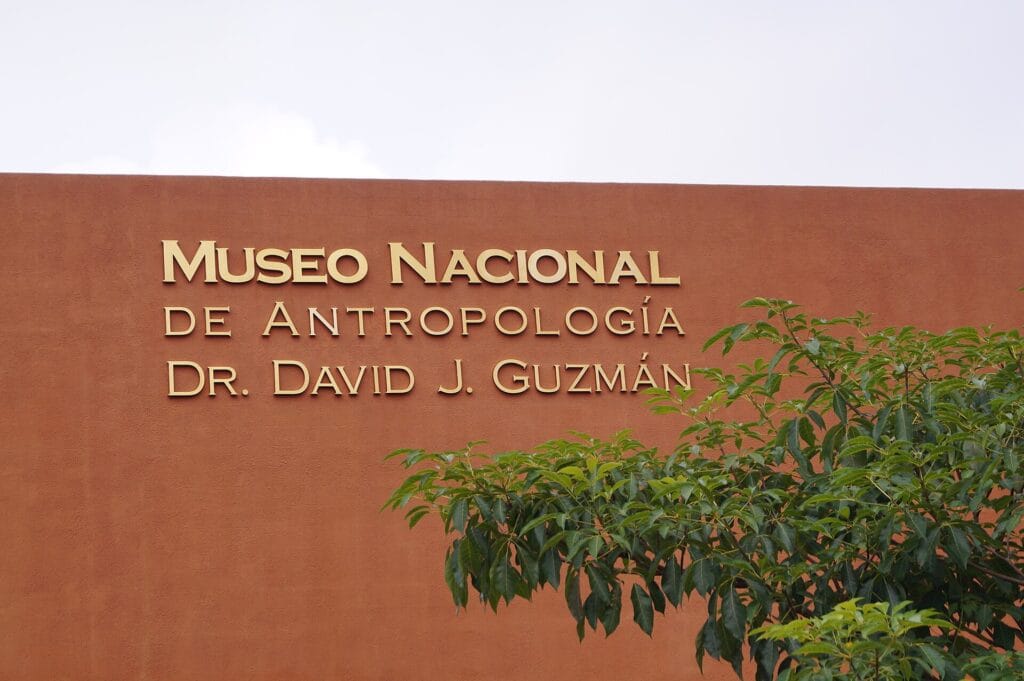
San Salvador, El Salvador. The Museo Nacional de Antropología David J. Guzmán (MUNA) stands as El Salvador’s principal institution devoted to the country’s archaeological and anthropological heritage. Located in San Salvador, it occupies a significant position in a…
San Salvador, El Salvador. The Museo Nacional de Antropología David J. Guzmán (MUNA) stands as El Salvador’s principal institution devoted to the country’s archaeological and anthropological heritage. Located in San Salvador, it occupies a significant position in a…
Best forMuseum lovers, culture travelers, first-time visitors
Review focusCollections, visitor experience, and practical planning
The Museum in Context
The Museo Nacional de Antropología David J. Guzmán (MUNA) stands as El Salvador’s principal institution devoted to the country’s archaeological and anthropological heritage. Located in San Salvador, it occupies a significant position in a region where pre-Columbian history and indigenous cultures form a layered and complex backdrop to modern national identity. Unlike larger, more internationally marketed museums that might cover a broader swath of Central American history or merge natural history with anthropology, this museum commits firmly to the human story of El Salvador. It centers on the region’s indigenous past, colonial encounters, and ongoing cultural expressions, offering a focused lens rather than an expansive general overview.
By focusing on anthropology as its core, MUNA positions itself as a crucial repository of El Salvador’s cultural memory rather than a celebratory extravaganza of national symbols. The museum bears the name of David J. Guzmán, an important Salvadoran anthropologist, which signals its foundation in scholarship and a deep respect for academic rigour. In a country where the civil war of the 1980s affected many cultural institutions and historical narratives, having a dedicated anthropological museum contributes to a more nuanced understanding of identity issues tied to ethnicity, history, and social change within El Salvador.
Collections Worth Understanding
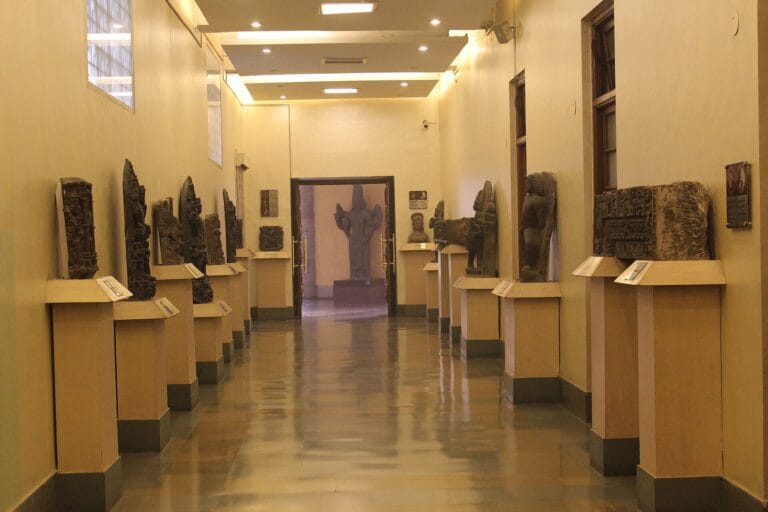
MUNA’s collection is made up predominantly of artifacts from pre-Hispanic archaeological sites, including ceramics, stone tools, sculptures, and textiles associated with the Pipil, Maya, and other indigenous groups from the western region of El Salvador. It holds one of the most comprehensive archaeological assemblages documenting the cultural developments from the Preclassic through the Postclassic periods, something that sets it apart from regional museums that sometimes emphasize colonial or more recent history.
There is also a notable selection of ethnographic materials related to indigenous communities, aiming to document living traditions alongside ancient ones. The presence of pottery and carved stone from renowned sites like Tazumal adds weight to the collection’s regional specificity. The museum includes a variety of stone stelae and altars, which are of particular archaeological and cultural interest because they allow direct connections to the political and religious life of pre-Hispanic polities in the area.
Its anthropology coverage extends to colonial objects and documents, but these are fewer and serve mostly to show the transition of indigenous cultures into the colonial era, rather than a full colonial survey. This sharpens the museum’s identity as a staging ground for understanding indigenous cultures rather than colonial power or national history in general. For students of indigenous art, ritual, and lifeways in El Salvador, the collection offers a strong foundation, although it is not intended as a comprehensive Central American anthropology collection.
Presentation and Storytelling
The museum’s narrative approach largely privileges archaeological and anthropological processes over dramatic storytelling or performance. This is in keeping with its academic legacy and focus on material culture. Displays integrate artifacts with explanatory panels that rely primarily on straightforward factual information—dates, provenance, function—rather than broader interpretive themes or storytelling driven by personal accounts or folklore. This approach can feel somewhat dry or conventional to those seeking immersive, narrative-rich experiences, but it aligns with the museum’s aim to serve as a research and educational hub.
Where interpretation excels is in demonstrating cultural continuity and change, linking pre-Columbian objects with their ethnographic descendants, and situating El Salvador within its Central American context. Graphic and textual materials tend to be clear but spare; the emphasis is on the tangible evidence of cultural practices. The inclusion of multimedia or interactive components appears limited, reflecting a preference for traditional display methods over digital storytelling.
Interpretive ordering moves roughly chronologically with thematic sidesteps into particular cultural phenomena such as burial rites or ceramics production. This can encourage focused study for visitors with specific interests in techniques or rituals but might challenge those hoping for a more inclusive or thematic overview of Salvadoran identity that incorporates contemporary perspectives more directly.
The Experience on the Ground
Although direct visitor accounts vary, MUNA is generally described as a quietly authoritative space, with an orderly layout supportive of study and contemplation rather than bustling social interaction or entertainment. Its location near the center of San Salvador makes it reasonably accessible, though it does not benefit from the heavy tourist traffic that surrounds larger museums in capital cities around the world.
The building itself, a modernist structure with clean lines and practical gallery spaces, provides a neutral backdrop that avoids overshadowing the collections but doesn’t contribute much atmosphere beyond functional design. Lighting and environmental controls meet standard museological practices, ensuring the preservation of sensitive materials.
Public services and visitor facilities appear modest and practical rather than elaborate. This reinforces the impression of the museum as an institution dedicated primarily to academic and cultural preservation functions. Programming beyond the galleries – such as lectures, temporary exhibitions, or community engagement projects – happens but on a limited scale, consistent with the museum’s profile.
Where the Museum Excels
The museum’s deepest strength lies in its focused ambition: to be the national repository of El Salvador’s anthropological heritage. By concentrating on indigenous past and present, it avoids dilution of purpose in favor of complexity. This results in a clarity of expertise and collection coherence that is not always present in museums boasting a broader mandate.
It serves as an important reference point for researchers studying pre-Hispanic Central America, especially with its collection of stelae and ceramics from important Maya and Pipil sites. By maintaining a strong archaeological base, MUNA preserves material records critical to understanding the history and cultures of the region before colonial disruption.
Moreover, its ethnographic collections, including textiles and everyday objects, provide valuable tangible links to living traditions, anchoring the site’s anthropological narrative within ongoing cultural practices. The museum can shape the narratives about indigenous resilience and cultural identity in El Salvador by presenting evidence anchored in material culture rather than abstract concepts or nationalist mythmaking.
What to Know Before Visiting
Accurate, up-to-date visitor information appears limited online, so prospective visitors should consult the museum’s official website or local tourism resources before heading to San Salvador. Those interested in archaeology, anthropology, or the indigenous cultures of Central America are the most likely to find the museum engaging.
While the museum tackles important cultural and historical periods, it does not seem designed for high-impact entertainment or child-friendly interactive learning. Visitors seeking multimedia-heavy exhibitions or multicultural narratives extending beyond El Salvador’s indigenous context might find the scope somewhat narrow.
Information on accessibility, opening hours, admission policy, and guided tours should be verified beforehand. Language options for exhibition labels are likely primarily Spanish, and detailed English-language interpretation may be limited.
Our View
The Museo Nacional de Antropología David J. Guzmán plays a necessary and focused role in El Salvador’s cultural landscape by concentrating on the country’s indigenous past through archaeology and anthropology. Its deliberate focus lends depth and coherence that larger, more diffuse institutions may lack, though this focus narrows its appeal chiefly to specialists or those with a serious interest in regional prehistory and ethnography.
The museum favors traditional display and academic-style interpretation over storytelling or sensory engagement methods, a choice that suits its audience but might exclude casual visitors or those expecting broader contextualization of El Salvador’s tumultuous colonial and modern histories. Its collection—grounded in archaeological finds and cultural artifacts from known historical sites—serves as an essential repository for the tangible traces of the region’s indigenous cultures and their legacies.
In sum, MUNA offers valuable and substantive resources for understanding El Salvador’s anthropological dimensions. It does not seek to be a broad cultural spectacle, but rather a sober, authoritative source rooted in material culture and scholarly tradition. This makes it a pivotal institution for researchers and those deeply invested in the layered histories of Central America’s indigenous peoples.