National Museum of Georgia
Tbilisi, Georgia. The National Museum of Georgia in Tbilisi acts as a central hub for the country’s archaeological, historical, and ethnographic material. Unlike a museum dedicated solely to art or a single period, it combines multiple…
Best forMuseum lovers, culture travelers, first-time visitors
Setting / nearbyTbilisi, Georgia
Overview
The National Museum of Georgia in Tbilisi acts as a central hub for the country’s archaeological, historical, and ethnographic material. Unlike a museum dedicated solely to art or a single period, it combines multiple disciplines under one roof, representing the vast sweep of Georgia’s past from the earliest prehistoric settlements to more recent centuries. This range offers insight not only into Georgian history but also into its place in the wider Caucasus region. Its location in the capital city underscores its function as a national repository rather than a local or city museum.
Collection Highlights
At the heart of the National Museum of Georgia is its archaeological collection, which includes objects from some of the oldest known sites in the country. Items like stone tools, early metalwork, and burial goods shed light on prehistoric human activity in the region. The museum holds artifacts from the Bronze and Iron Ages, highlighting the technological and cultural development over millennia.
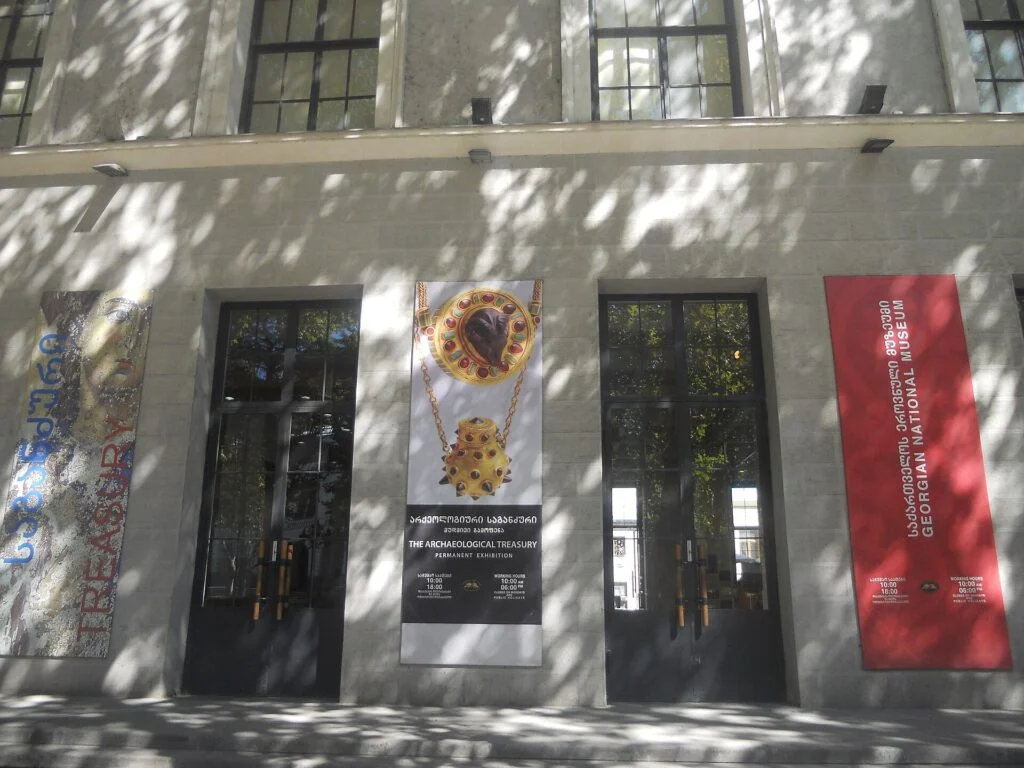
One of the better-known features of the museum is its collection of gold and silver jewelry from ancient and medieval Georgia. These pieces illustrate craftsmanship traditions and social hierarchies across the centuries. Beyond jewelry, the museum preserves ceramics, textiles, weaponry, and religious objects, many linked to Georgia’s long-standing Christian heritage.
Ethnographic material offers a look at rural and urban life through tools, clothing, and household items from past centuries. These artifacts reveal practical aspects of Georgian daily life, including farming, artisan crafts, and domestic customs. In addition to local objects, the museum includes items related to Georgia’s interactions with neighboring cultures, reflecting a history of trade, conflict, and exchange.
The museum’s numismatic collection, comprising coins and currency, traces economic history and changing political regimes. Manuscripts and old printed books form part of the holdings too, with examples in Georgian script that witness the development of written culture.
Building and Setting
The museum’s main building is a historic structure in Tbilisi, constructed in the early 20th century. This building, often referred to as the "Blue Palace," originally served as the residence of a duke within the Russian imperial administration. The architecture places it among other significant state and cultural buildings along Rustaveli Avenue, a central street known for its mix of public institutions.
Inside, the museum’s layout organizes exhibitions across several floors and galleries, with spaces adapted to fit the needs of its diverse collections. The building and its location in the heart of Tbilisi integrate the museum into the city’s broader cultural framework. The neighbourhood includes academic, artistic, and governmental landmarks.
Practical Information
Updated visitor details, including opening hours, ticket prices, guided tours, and available services should be confirmed through the museum’s official website, as these can change. The website also provides information on temporary exhibitions and any special events.
The National Museum of Georgia is accessible from various parts of Tbilisi via public transportation. Visitors may need to plan ahead regarding parking or accessibility accommodations, which the museum can clarify.
The museum conducts research and conservation in addition to exhibition, which may influence the availability of some sensitive objects or temporary gallery closures.
Why Visit
The National Museum of Georgia stands out for its broad chronological and disciplinary coverage. Its archaeological and ethnographic holdings make it a key place to understand Georgia’s long-term history and cultural evolution, especially for those interested in how material culture reflects social and technological change. Visitors with a focus on Caucasus archaeology or goldsmithing traditions will find substantial resources here.
On the other hand, the museum does not focus narrowly on contemporary art or solely on one historical period, so those seeking a concentrated display of fine art or modern exhibitions may feel its presentation is more academic or encyclopedic. The displays prioritize objects and facts rather than immersive or interpretive storytelling that some other institutions emphasize.
It is worth noting that the museum serves as a national repository, which naturally shapes the content to represent Georgian identity and heritage as a whole. For anyone curious about the region’s ancient civilizations, medieval history, and ethnographic fabric, the collection offers a foundation difficult to match elsewhere in the country. Its setting within Tbilisi’s institutional district also makes it accessible as part of a wider itinerary around the city.
In summary, the National Museum of Georgia is a place where the country’s material history is collected and displayed across many centuries. The museum’s strength lies in the depth and variety of its archaeological and historical objects, giving a tangible sense of Georgia’s place in the past. Visitors who appreciate straightforward presentation of artifacts and are interested in the diverse layers of Georgian history will find the museum a fruitful stop. Checking the latest visitor details on the official website will help prepare for the visit.