National Museum of Denmark Review
Danish History & Civilisation · Copenhagen, Denmark A Nation Told Through Objects The National Museum of Denmark is one of those institutions that.

Danish History & Civilisation · Copenhagen, Denmark A Nation Told Through Objects The National Museum of Denmark is one of those institutions that.
Best forArchitecture, royal history, heritage
Review focusArchitecture, history, visitor experience
Historical Context
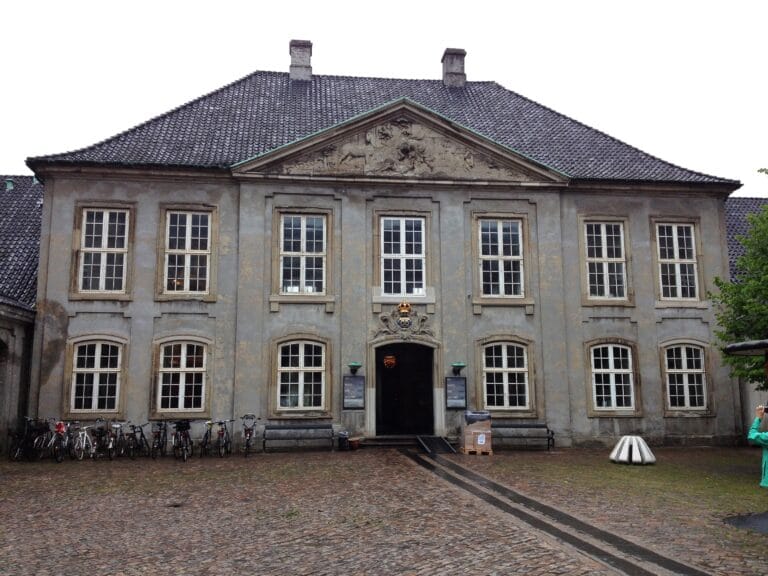
The National Museum of Denmark, situated in the elegant Prince’s Palace in central Copenhagen, stands as a premier institution dedicated to narrating Danish history through its extensive collection of artefacts. Unlike many museums that focus on individual headline objects, this museum offers a sustained and coherent account of the nation’s social, political, religious, and cultural development over millennia. Its role transcends mere display; it embeds Denmark’s past into a continuous human story, underscoring historical continuity and the country’s evolving identity. The palace itself, a fine example of historical architecture, amplifies the visitor’s sense of connection with Danish heritage, grounding the experience in a physical and historical context that resonates before reaching the exhibitions.
What You See on Arrival
Upon arrival, visitors are greeted by the dignified facade of the Prince’s Palace, whose architectural atmosphere sets a tone of reflection and attentiveness to history. Inside, the museum’s layout is immediately approachable. The galleries are arranged to encourage a chronological journey that gently introduces visitors to the flow of Denmark’s past. The spatial design avoids overwhelming complexity by offering a clear and logical pathway. Initial rooms often feel intimate, focusing on smaller archaeological finds and domestic artefacts that draw visitors into the personal side of history. As one progresses, the spaces open up, allowing thematic displays that provide broader social and cultural perspectives, moving through key eras such as prehistory, the Viking Age, the medieval period, and modern developments.
Highlights and Key Exhibitions
The museum’s collection excels in presenting Danish history on a human scale. Among its most memorable exhibits are the renowned bog bodies—remarkably preserved remains that offer an intense and almost haunting insight into prehistoric life. These displays transcend the usual archaeological curiosity by emphasizing the lived experiences of ancient peoples. The Viking collections stand out as a highlight, featuring weapons, jewellery, tools, and ritual objects that illuminate a multifaceted society marked by trade, travel, warfare, and craftsmanship. Importantly, the museum resists mythologizing Viking culture, instead offering nuanced interpretations supported by material evidence that convey everyday life alongside legendary exploits.
The medieval galleries deepen the narrative through religious artefacts, wood carvings, ecclesiastical objects, and documentation of political transformation, charting the institutional growth that shaped Danish identity. Later exhibitions bring the timeline into the modern era, linking the nation’s historical roots to contemporary cultural and design achievements. These sections ensure the museum avoids becoming solely a repository of antiquity, instead presenting history as a dynamic continuum relevant to today’s Denmark.
Visitor Experience
Visitors to the National Museum of Denmark can expect an experience that is rich and substantial without being overwhelming. The museum’s careful curation and measured pacing allow for several hours of engagement without fatigue. The atmosphere is calm and contemplative, accommodating both detailed study and casual browsing. This approachability makes the museum well-suited for a wide range of visitors—from families seeking an educational outing to independent travelers wanting cultural grounding in Copenhagen.
The interpretive materials and gallery design support different levels of prior knowledge. Novices to Danish history leave with a coherent framework that makes further exploration accessible, while specialists and enthusiasts find considerable depth in archaeological and historical details. Intellectual engagement is fostered through clear, balanced interpretation that enhances understanding without overshadowing the collection itself.
Tickets, Access, and Planning
Visitors are advised to allow at least two to three hours for a fulfilling visit, particularly if they wish to explore the archaeological and Viking exhibits thoroughly. The museum is centrally located, making it an excellent complement to a broader itinerary within Copenhagen’s cultural landscape. Potential visitors should consult the museum’s official website or contact the institution directly to verify current ticketing, opening times, and any special exhibitions or policies, as these details may vary.
Final Verdict
The National Museum of Denmark distinguishes itself by presenting the nation’s history with clarity, intellectual rigor, and a deeply human perspective. It eschews theatrical or sensationalist displays in favor of a restrained and thoughtful approach that allows the collection itself to narrate the story of Denmark. This disciplined organization and the seamless integration of architecture, narrative, and objects make the museum a premier destination for those interested in how a nation articulates its identity through time. While it may not cater to visitors seeking blockbuster art or highly immersive multimedia experiences, it remains one of the strongest cultural institutions in Scandinavia for anyone eager to explore Danish history in a meaningful and comprehensive manner.