Bode Museum Review
Art Museums · Berlin, Germany. The Bode Museum is a prominent cultural institution located on Museum Island in Berlin, Germany, an area renowned for its dense concentration of world-class museums. Established in 1904 and originally named the Kaiser-Friedrich-Museum, it…
Art Museums · Berlin, Germany. The Bode Museum is a prominent cultural institution located on Museum Island in Berlin, Germany, an area renowned for its dense concentration of world-class museums. Established in 1904 and originally named the Kaiser-Friedrich-Museum, it…
Best forMasterpieces, architecture, cultural history
Review focusCollection highlights, building, visitor flow
Historical Context
The Bode Museum is a prominent cultural institution located on Museum Island in Berlin, Germany, an area renowned for its dense concentration of world-class museums. Established in 1904 and originally named the Kaiser-Friedrich-Museum, it was renamed the Bode Museum in 1956 in honor of its first curator, Wilhelm von Bode, a pivotal figure in the development of Berlin's art collections. This museum was designed to house the city’s expansive collection of sculpture, Byzantine art, and numismatics, reflecting Bode's vision of integrating diverse yet interconnected artistic and historical disciplines under one roof. Throughout its history, the building has witnessed the tumultuous events of the 20th century, including damages during World War II and subsequent restoration efforts. Its architectural style is an embodiment of Berlin’s early 20th-century museum architecture, harmonizing Renaissance Revival details with practical exhibition spaces. Positioned strategically on the Spree River’s northern tip, it complements the ensemble of museums making up Museum Island, which was designated as a UNESCO World Heritage Site in recognition of its cultural and architectural significance.
What You See on Arrival
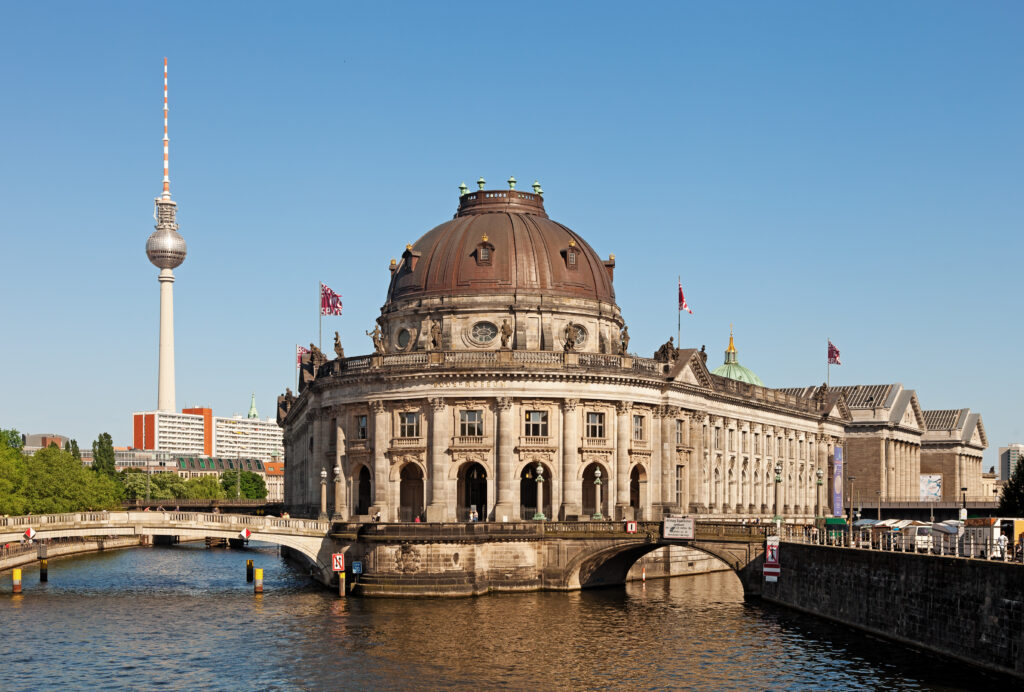
Approaching the Bode Museum, visitors are greeted by the striking façade of a palatial structure, which exudes an air of historic grandeur characteristic of early 20th-century European museums. Set against the serene backdrop of the Spree River, the location provides a picturesque setting that is both inviting and imposing. The museum’s ornate entrance features classical elements such as Corinthian columns and intricate stonework that hint at the depth and sophistication of the collections housed within. As one nears the main doorway, the integration of the building’s exterior with its riverside surroundings becomes evident, providing not just a cultural venue but an architectural experience in itself. The museum’s signage is clear, and the nearby pathways encourage exploration of Museum Island’s wider cultural offerings. This exterior presentation successfully tempers anticipation for the often complex and richly layered exhibitions waiting inside, setting a tone of reverence and curiosity.
Highlights and Key Exhibitions
The Bode Museum’s collection is distinguished principally by its extensive array of sculptures, which span from the early Middle Ages through the late 18th century. Among its most notable holdings are works from German, Italian, and Netherlandish masters, offering a cross-section of European sculptural development. Noteworthy pieces include a variety of Renaissance and Baroque sculptures that represent significant artistic movements and regional styles. These sculptures are displayed with careful consideration to lighting and spatial arrangement, allowing visitors to appreciate the craftsmanship and emotive power of each piece.
Additionally, the museum houses an impressive selection of Byzantine art, which is unusually comprehensive, providing insights into a largely underrepresented era in Western European museums. This collection includes icons, mosaics, and religious artifacts that emphasize the spiritual and artistic achievements of the Byzantine Empire, thus enriching the historical narrative of European art.
Another standout component is the numismatic collection, encompassing coins, medals, and monetary artifacts that chart the history of currency and its role in economic and artistic history. This section is designed with interactive displays and detailed descriptions, appealing to both casual visitors and specialists alike.
Overall, the Bode Museum excels in offering a cohesive yet diverse survey of historical art forms, with an emphasis on sculpture that sets it apart from other museums on Museum Island. The seamless interplay between its primary collections presents a compelling argument for the museum’s significance within Berlin’s cultural landscape.
Visitor Experience
Inside the Bode Museum, the visitor experience is marked by a blend of educational enrichment and aesthetic appreciation. The interior space, thoughtfully restored and maintained, balances historical ambiance with modern museum standards. Exhibition rooms are arranged to facilitate a chronological or thematic exploration, enabling visitors to connect artistic styles and historical periods fluidly.
Interpretative materials, including detailed labels, audio guides, and digital resources, are available in multiple languages, accommodating the museum’s international audience. These aids enrich understanding, providing historical context, artistic analysis, and curatorial insights that deepen engagement with the exhibits. Staff members are generally knowledgeable and approachable, enhancing the educational atmosphere.
The museum layout considers visitor flow and accessibility, although some areas may present challenges for those with limited mobility due to the building’s age and design constraints. Seating is available in several exhibition rooms, allowing for moments of reflection amid the rich displays.
While the museum is not among the largest in Berlin, its focused collection and well-organized presentation make for a concentrated and satisfying visit. The quiet, contemplative atmosphere is ideal for an immersive experience, particularly for individuals with a special interest in sculptural art or Byzantine artifacts.
Tickets, Access, and Planning
Ticketing arrangements at the Bode Museum are straightforward, with options for standard adult admission, reduced fares for students and seniors, and free entry for children under a certain age. Berlin Museum Card holders often benefit from waived fees or bundled admission, which is worth considering for visitors planning to explore multiple museums on Museum Island. It is advisable to check the official website for the latest ticket prices and any temporary changes in visitor policies.
Access to the museum is facilitated by its central location in Berlin. Public transport options include several tram and bus lines as well as nearby U-Bahn and S-Bahn stations, making the museum easily reachable from various parts of the city. For visitors with mobility concerns, while the museum does offer ramps and elevators where possible, certain historic architectural features may limit full wheelchair access to all areas.
Planning a visit is best done with attention to opening hours, which vary seasonally and may be subject to changes for public holidays or maintenance closures. Given the museum’s intimate scale, visits can typically be completed within two to three hours, allowing time for a focused and unhurried exploration.
Final Verdict
The Bode Museum stands out as a refined and culturally rich institution that offers a unique centerpiece within Berlin’s Museum Island ensemble. Its strength lies in the depth and quality of its sculpture and Byzantine art collections, presented in a historic yet visitor-friendly setting. The museum manages to bridge the gap between scholarly rigor and accessibility, appealing to both art connoisseurs and general visitors seeking a meaningful cultural experience.
While not as expansive as some of the larger Berlin museums, the Bode Museum’s specialized focus provides a welcomed alternative that complements the broader narratives found elsewhere on Museum Island. Its architectural presence and riverside location add to the overall ambience, making it a memorable destination for those interested in art history and European cultural heritage.
Potential visitors should prepare for a thoughtful and visually engaging experience that rewards attention to detail and an appreciation for art’s historical dimensions. Whether prioritizing sculpture, Byzantine art, or numismatic treasures, the Bode Museum offers a distinctive and worthwhile journey into Germany’s artistic past.