National Archaeological Museum Naples Review
Archaeology Museums · Naples, Italy. The National Archaeological Museum Naples, located in the vibrant city of Naples, Italy, holds a singular place among Europe’s foremost institutions dedicated to classical archaeology. Established in the late 18th century, its origins trace…
Archaeology Museums · Naples, Italy. The National Archaeological Museum Naples, located in the vibrant city of Naples, Italy, holds a singular place among Europe’s foremost institutions dedicated to classical archaeology. Established in the late 18th century, its origins trace…
Best forMasterpieces, architecture, cultural history
Review focusCollection highlights, building, visitor flow
Historical Context
The National Archaeological Museum Naples, located in the vibrant city of Naples, Italy, holds a singular place among Europe’s foremost institutions dedicated to classical archaeology. Established in the late 18th century, its origins trace back to the Bourbon monarchy’s efforts to consolidate and preserve artifacts from the surrounding Campania region and southern Italy. The museum’s collections are deeply intertwined with the rich archaeological heritage of Naples and its environs, notably the ruins of Herculaneum, Pompeii, and Stabiae, all victims of the catastrophic eruption of Mount Vesuvius in 79 AD. Over centuries, the museum has expanded to house a comprehensive spectrum of ancient Mediterranean civilizations, with a particular emphasis on Roman, Greek, and Egyptian antiquities. Its continued importance lies not merely in the quantity of artifacts but in the unparalleled quality and historical significance of the assemblage, offering profound insights into ancient life, art, and culture that have shaped European history.
What You See on Arrival
Approaching the National Archaeological Museum Naples, visitors are met with an imposing neoclassical façade that speaks to the grandeur of its collections housed within. Situated in the heart of Naples, the museum emanates a sense of historic gravitas and cultural prestige. The entrance area opens into a spacious and well-lit atrium, where visitors are immediately immersed in the atmosphere of antiquity. Classical statues and intricate mosaics greet those making their way inside, setting an evocative tone for the visit. Informational displays near the entrance provide a helpful orientation to the museum’s layout. The initial impression is one of order and grandeur, with an architectural design that honors the artifacts it protects. The building’s scale and the thoughtful arrangement of objects create a compelling invitation to explore further, signaling a museum experience that blends scholarly rigor with public accessibility.
Highlights and Key Exhibitions
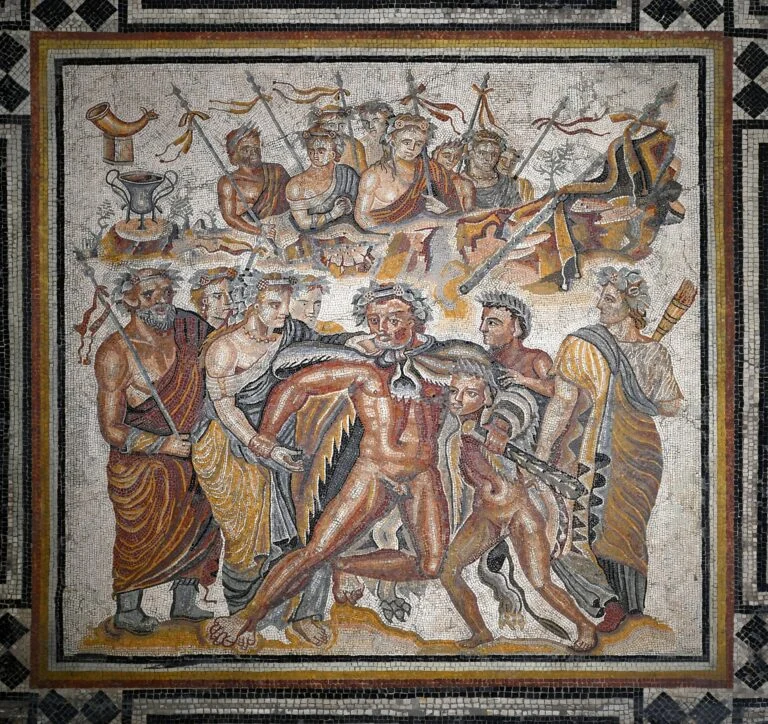
The National Archaeological Museum Naples is renowned for housing one of the most important collections of Greco-Roman antiquities in the world. Among its treasures are frescoes, sculptures, and everyday objects recovered from Pompeii and Herculaneum, preserved with remarkable clarity due to volcanic ash. The Farnese Collection, prominently featured in the museum, offers a distinguished assembly of Roman sculptures, including the iconic Farnese Bull—a monumental marble group that embodies the artistic finesse of the Roman Empire. Additionally, the intricate mosaics, such as the Alexander Mosaic, demonstrate the technical mastery of ancient artisans, depicting historic battles with vivid detail and dynamic composition. Egyptian artifacts add another dimension to the museum’s scope, presenting a broader Mediterranean context to the classical world and its interconnected cultures. The epigraphic and numismatic collections also warrant attention, showcasing ancient scripts and currency that illuminate the socio-political fabric of antiquity. This diverse range of exhibits allows visitors to trace the arc of ancient civilizations from daily life to grand imperial exploits.
Visitor Experience
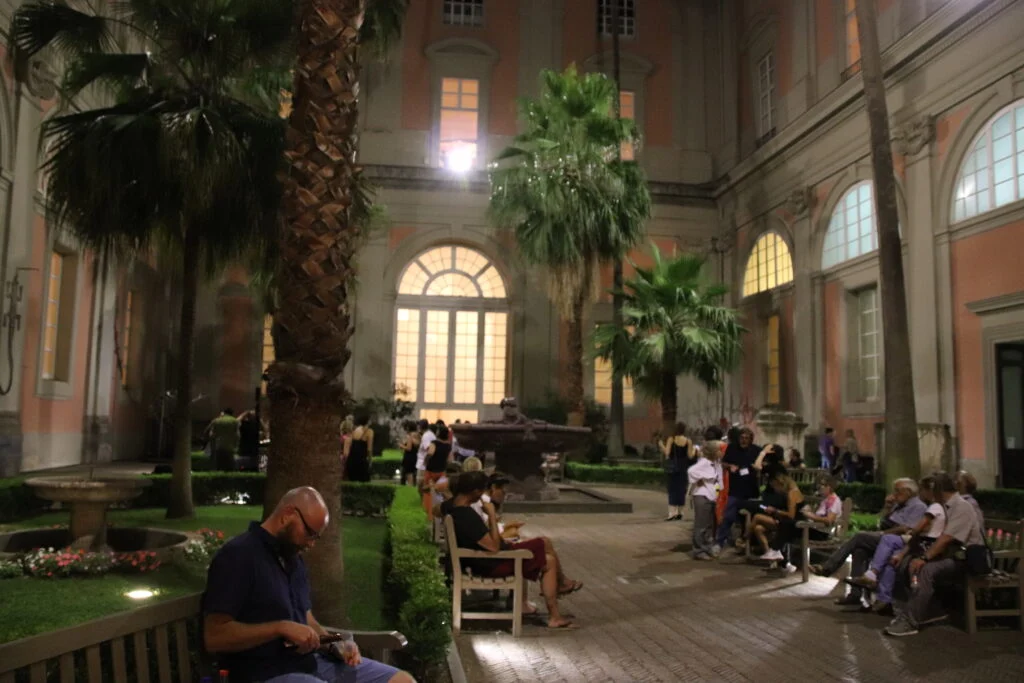
Visitors to the National Archaeological Museum Naples can expect an educational and immersive experience marked by meticulously curated galleries and informative labels. The museum employs a balanced approach to display, combining contextually rich explanations with the ability to admire each piece’s aesthetic qualities. Audio guides and printed materials are available, enriching the understanding of the cultural and historical significance of the exhibits, although multilingual support varies and may influence accessibility for a broader audience. While the museum is extensive, the layout is logical, guiding visitors through chronological and thematic sequences without overwhelming them. Seating areas and atmospheric lighting facilitate pauses for reflection, encouraging visitors to engage thoughtfully with the artifacts. However, at peak times, certain galleries may become crowded, which can detract from the contemplative environment one might seek. The museum’s design accommodates a wide range of interests, from casual tourists to serious scholars, making it a versatile cultural destination.
Tickets, Access, and Planning
Planning a visit to the National Archaeological Museum Naples involves consideration of several practical factors. Ticket prices are generally moderate and offer good value, with concessions available for students, seniors, and residents of the Campania region, helping to make the museum accessible to a wide audience. Booking in advance is advisable, especially during the high tourist season and cultural events that might draw larger crowds. The museum maintains regular opening hours throughout the week, with closures on certain holidays reflective of Italian cultural norms. Accessibility for visitors with mobility impairments is a priority, with ramps, elevators, and accessible restroom facilities thoughtfully integrated into the museum’s infrastructure. Public transportation links are robust, given the museum’s central location, facilitating easy arrival from various points in Naples. Parking options nearby are available but limited, encouraging the use of sustainable transit modes. For those intending to explore related archaeological sites, the museum serves as an excellent starting point, with its exhibitions offering essential contextual background.
Final Verdict
The National Archaeological Museum Naples stands as a pillar of classical archaeology and cultural heritage, offering an unparalleled window into the ancient world through its vast and meticulously preserved collections. Its strengths lie in the diversity and quality of its exhibits, notably those linked to the catastrophic events that shaped the region’s history, augmented by profound Greek, Roman, and Egyptian materials. The museum successfully balances scholarly depth with public engagement, providing visitors with interpretive tools to appreciate the cultural and historical context of the artifacts. While crowds can occasionally impinge on the visitor experience, and multilingual resources might be expanded, these are relatively minor considerations given the institution’s scope and significance. Whether one seeks to admire artistic achievements, understand ancient daily life, or trace the roots of Mediterranean civilizations, the museum delivers a richly rewarding experience. For anyone with an interest in archaeology, history, or art, the National Archaeological Museum Naples is a cultural treasure that merits a prominent place on any itinerary.