National Museum of China Review
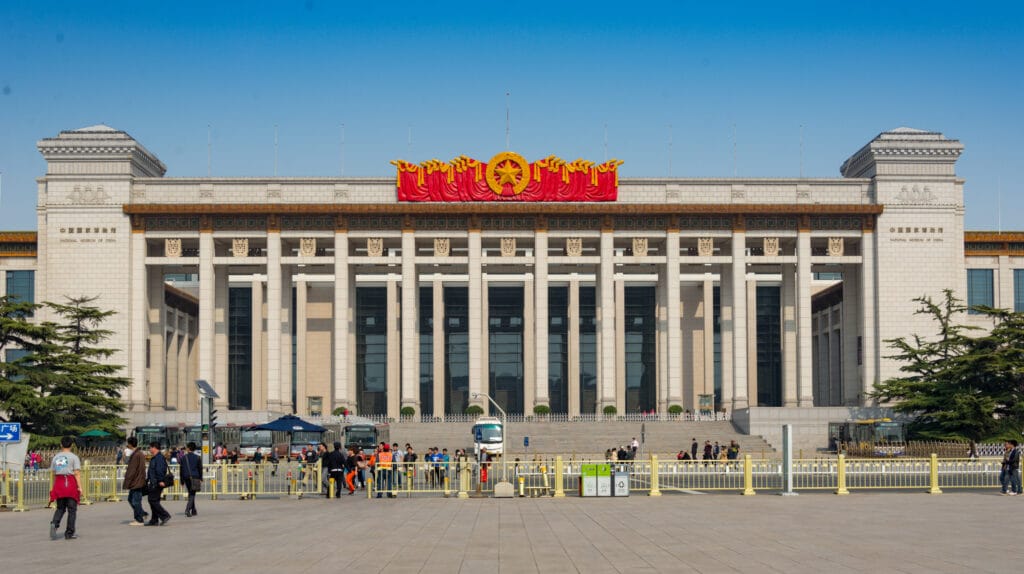
First Impressions The National Museum of China feels immense before you even enter. Its placement on Tiananmen Square gives it a ceremonial weight that.
First Impressions The National Museum of China feels immense before you even enter. Its placement on Tiananmen Square gives it a ceremonial weight that.
Best forScience, technology, hands-on learning
Review focusExhibits, interpretation, visitor flow
Historical Context
The National Museum of China, located on the eastern side of Tiananmen Square in Beijing, is one of the largest museums in the world and a central institution in presenting Chinese history and culture. Formed in 2003 through the merger of the Museum of Chinese History and the Museum of the Chinese Revolution, it reflects both ancient heritage and modern national identity.
Its roots, however, extend back to the early 20th century, when China began developing public museums as part of broader modernization efforts. These institutions were intended to preserve cultural heritage while also shaping a cohesive narrative of national history.
The museum’s collections span thousands of years, from prehistoric artifacts to contemporary objects, covering dynastic periods, technological developments, and cultural achievements. At the same time, it plays a significant role in presenting the political history of modern China, particularly the events of the 20th century.
Following a major renovation completed in 2011, the museum expanded significantly, both in size and in its ability to present large-scale exhibitions. Today, it functions not only as a repository of artifacts but also as a space where history, identity, and state narratives intersect.
What You See on Arrival
Arriving at the National Museum of China, visitors are immediately confronted with its monumental scale. The building stretches across the length of Tiananmen Square, its symmetrical façade and imposing columns emphasizing its status as a national institution.
Entering the museum, the sense of scale continues. Vast halls, high ceilings, and wide corridors create an environment that feels both grand and highly structured. The main atrium serves as an orientation point, with clear signage directing visitors toward different exhibition areas.
The layout is extensive, with galleries spread across multiple levels. The organization is generally chronological, guiding visitors through different periods of Chinese history. However, the sheer size of the museum means that navigation requires some planning.
The mood is formal and authoritative, reflecting the museum’s role in presenting an official narrative of history. At the same time, the modern design and lighting create a clean and accessible environment for viewing the collections.
Highlights and Key Exhibitions
One of the most significant aspects of the National Museum of China is its comprehensive presentation of Chinese history. The “Ancient China” exhibition is a central feature, displaying artifacts from prehistoric times through successive dynasties. Bronze vessels, jade carvings, ceramics, and calligraphy illustrate the development of Chinese civilization over millennia.
Among the standout objects are intricately cast bronze ritual vessels from the Shang and Zhou dynasties, which demonstrate both technological sophistication and cultural significance. These pieces provide insight into early religious practices and social structures.
The museum’s collection of ceramics is another highlight, showcasing the evolution of Chinese porcelain from early forms to highly refined works of art. These objects reflect both domestic use and the global influence of Chinese craftsmanship.
In addition to ancient artifacts, the museum features exhibitions on modern Chinese history, including the revolutionary period and the establishment of the People’s Republic of China. These galleries present documents, photographs, and objects that illustrate key political and social developments.
Temporary exhibitions often complement the permanent displays, offering focused explorations of specific themes or artistic traditions.
Visitor Experience
The visitor experience at the National Museum of China is defined by its scale and depth. The vast number of galleries means that visitors must make choices about what to see, as it is difficult to cover everything in a single visit.
Pacing can be challenging, particularly for those unfamiliar with the layout. However, the chronological organization helps create a sense of progression, allowing visitors to follow the development of Chinese history.
Signage is generally clear, though language barriers may affect some visitors. Audio guides and guided tours can enhance understanding, particularly in more complex sections of the museum.
Crowds can be significant, especially during peak times and in popular galleries. However, the size of the museum allows for quieter areas where visitors can engage more closely with the exhibits.
The atmosphere is formal and educational, with an emphasis on presenting information in a structured and comprehensive way. Facilities such as seating areas and rest spaces support longer visits.
Tickets, Access, and Planning
The National Museum of China is centrally located in Beijing and easily accessible by public transport, including subway lines that stop at Tiananmen Square. Its prominent location makes it a key destination for visitors to the city.
Entry to the museum is often free, though tickets may be required for admission, particularly for managing visitor numbers. Advance booking is recommended, especially during busy periods.
Given the museum’s size, visitors should plan their visit carefully. Focusing on specific exhibitions or time periods can help create a more manageable and meaningful experience.
Accessibility is generally well considered, with elevators and facilities designed to accommodate a range of needs. Guided tours and educational programs are also available.
Nearby attractions, including Tiananmen Square and the Forbidden City, make it easy to combine a visit to the museum with other historical sites.
Final Verdict
The National Museum of China is an essential institution for understanding the breadth and complexity of Chinese history. Its scale and scope are unmatched, offering a comprehensive overview of cultural and political development.
Who should visit? This museum is ideal for those interested in history, archaeology, and the evolution of one of the world’s oldest civilizations. It is particularly valuable for visitors seeking a deeper understanding of China’s past and present.
Why visit? Because the National Museum of China provides a unique opportunity to engage with thousands of years of history in a single location. Its combination of extensive collections and structured presentation makes it one of the most significant museums in the world.