Museum of Cycladic Art Review
Intro The Museum of Cycladic Art in Athens is one of the most successful focused museums in Europe because it proves that concentration can produce more.

Intro The Museum of Cycladic Art in Athens is one of the most successful focused museums in Europe because it proves that concentration can produce more.
Best forMasterpieces, architecture, cultural history
Review focusCollection highlights, building, visitor flow
Intro
The Museum of Cycladic Art in Athens is one of the most successful focused museums in Europe because it proves that concentration can produce more clarity than scale. In a city where the museum landscape is dominated by institutions of national breadth and international fame, this museum takes a different route. It does not attempt to summarize all of Greek antiquity or overwhelm the visitor with quantity. Instead, it builds a powerful experience around a specific body of material and a specific historical world. That choice gives the museum unusual force.
Its best-known works, the marble Cycladic figurines, have long fascinated artists, designers, and museum visitors because of their austere beauty and near-modern abstraction. Yet the museum’s real achievement is that it refuses to let those figures become detached from history. It restores them to the archaeological and cultural conditions that gave them meaning. In doing so, the museum becomes more than a gallery of beautiful objects. It becomes a museum of context, interpretation, and disciplined looking.
How the Site Works
The museum works through concentration and pacing. It is arranged so that visitors move gradually from the iconic Cycladic figures into a broader understanding of the ancient Aegean and surrounding cultures. This progression matters. Without it, the museum could easily collapse into a sequence of isolated masterpieces. Instead, the galleries are structured to show how form, function, burial practice, belief, and exchange fit together.
Because the institution is manageable in size, the route remains readable. Visitors can follow the narrative without fatigue, and the museum benefits from the fact that a first-time visitor can actually see the whole collection in a meaningful way. This is not a trivial advantage. Many larger archaeological museums leave visitors with only fragments. Here the structure itself supports understanding.
Exhibitions and Collection
The core collection is extraordinary. The Cycladic marble figurines are among the most distinctive works of prehistoric Europe, and the museum’s holdings are strong enough to make the institution internationally important. Their visual power is immediate, but the museum’s interpretation adds another level of value by showing how these objects belong to burial culture, island networks, and early Aegean social worlds. Instead of letting the figurines float as timeless aesthetic icons, the museum reanchors them.
This is where the museum is particularly strong. Archaeological institutions often drift toward one of two extremes: too little explanation, or too much explanation imposed on weak objects. Here the balance is much better. The objects are strong enough to hold the eye, and the interpretation is careful enough to deepen them rather than drown them. Additional displays of vessels, tools, metal objects, and later Greek and Cypriot material widen the frame further. These objects show that Cycladic culture was not isolated and that the museum’s headline works belong to larger historical systems.
Temporary exhibitions and educational programs can also extend the museum’s impact, but the permanent collection alone is enough to justify the visit. It is a rare museum where the curatorial argument feels as refined as the objects themselves.
Architecture / Space
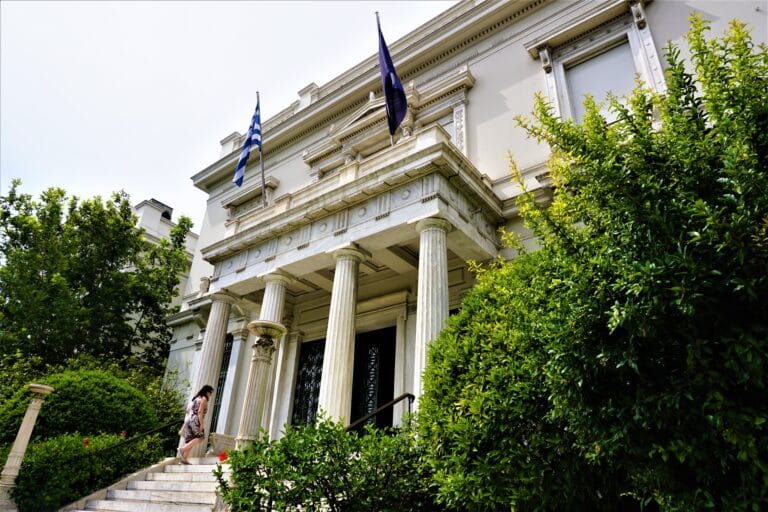
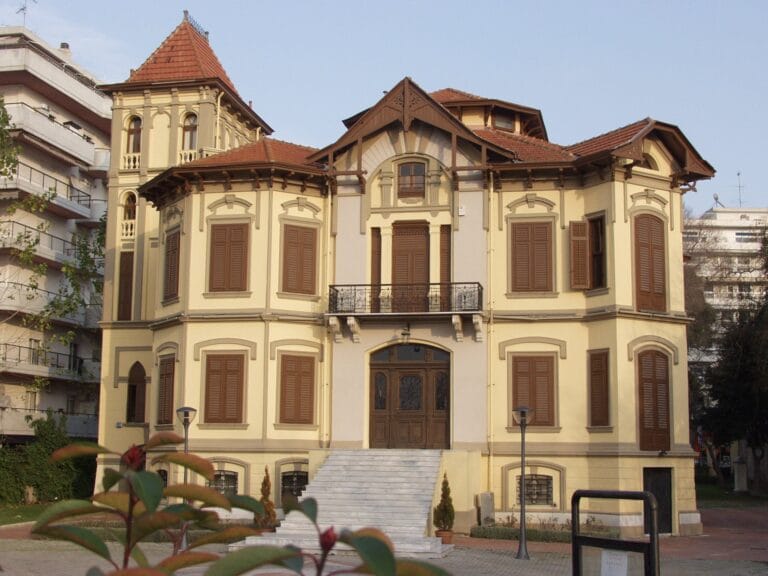
The architecture serves the museum exceptionally well because it remains quiet, disciplined, and proportionate to the material. The galleries are modern, but not aggressively monumental. This matters because the Cycladic figurines gain strength through spacing and stillness. They do not need theatrical staging. They need room, light control, and the opportunity for comparison. The museum generally understands that.
The location near Kolonaki is also useful. It places the museum within central Athens while preserving a calmer atmosphere than some of the city’s most heavily visited archaeological sites. The building feels civic and refined rather than grandiose, which suits the institution’s overall character.
Visitor Experience
The visitor experience is excellent because the museum rewards concentration without demanding endurance. The scale is humane, the route is intelligible, and the atmosphere usually supports close looking. This makes it unusually successful for both specialists and general visitors. Someone interested in prehistoric archaeology can find real depth here, while someone with no prior knowledge can still leave with a clear and memorable understanding of why the collection matters.
The museum also avoids a common urban-museum problem: it does not feel like a place to rush through simply because the city outside is full of competing attractions. On the contrary, it invites a slower mode of looking. That is one of the reasons it tends to stay in memory longer than some much larger institutions.
Historical Context
The museum matters historically because Cycladic art occupies an unusual place in public imagination. These objects are often admired through a modern lens for their abstract purity, but that admiration can strip away their ancient meanings. The Museum of Cycladic Art is important because it pushes back against that flattening. It re-historicizes the famous forms and reminds visitors that prehistoric Aegean culture was a lived and complex world, not a sourcebook for twentieth-century taste.
Its development from an important private collection into a public museum also reflects a wider story in Greek cultural life: the transformation of elite collecting into institutions of public interpretation. That transition gives the museum added significance within Athens itself.
Practical Information
Most visitors should allow about two hours for a strong first visit. More time is worthwhile for those particularly interested in prehistoric art, early Greek archaeology, or careful object comparison. Because the museum is compact and centrally located, it fits well into a day that includes other Athens museums, but it is best treated as more than a quick add-on. Practical details should be checked before arrival.
Final Verdict
The Museum of Cycladic Art is one of Athens’ most rewarding museums because it demonstrates how much can be achieved through focus, quality, and curatorial intelligence. It does not need giant scale to feel significant. The museum’s power lies in its ability to make a small group of ancient objects open into a larger historical world. For visitors who value precision and clarity in museum experience, it is outstanding.