Museum of Cycladic Art
##Overview The Museum of Cycladic Art in Athens, Greece, is one of the most elegant and intellectually focused museums in the city. It is best known for.
Best forScience, technology, hands-on learning
Setting / nearbyCentral Athens, near Syntagma Square, making it easily accessible for visitors exploring t
Overview
The Museum of Cycladic Art in Athens is a focused and thoughtfully curated institution dedicated to the ancient cultures of the Aegean, with particular emphasis on Cycladic civilization of the Early Bronze Age. Unlike the larger national museums in the city, which aim to present a broad sweep of Greek history, this museum offers a more concentrated and refined experience, allowing visitors to engage deeply with a specific artistic tradition that continues to influence modern visual culture.
Established in 1986, the museum is built around the private collection of Nicholas and Dolly Goulandris, whose dedication to preserving Cycladic artifacts has resulted in one of the most important collections of its kind globally. Over time, the museum has expanded its scope to include significant holdings of ancient Greek and Cypriot art, creating a cohesive narrative of cultural and artistic development across the eastern Mediterranean.
What sets the Museum of Cycladic Art apart is its clarity and restraint. The galleries are designed to highlight form, proportion, and material, allowing each object to stand on its own. The result is an experience that feels both archaeological and unexpectedly modern, where ancient objects resonate with contemporary ideas of minimalism and abstraction.
Collection Highlights
The museum’s most defining feature is its exceptional collection of Cycladic marble figurines, dating from around 3200 to 2000 BCE. These small, stylized sculptures—often depicting human figures with folded arms—are among the most iconic artifacts of prehistoric Europe. Their smooth surfaces, simplified anatomy, and balanced proportions give them a timeless quality that has inspired artists well into the modern era.
Walking through the galleries, visitors encounter variations in scale and detail. Some figurines are highly abstract, reduced to essential geometric forms, while others include delicate incisions indicating facial features or anatomical details. Traces of pigment on certain pieces suggest that these sculptures were once painted, adding another dimension to their original appearance.
In addition to the figurines, the museum displays Cycladic vessels, tools, and everyday objects, offering insight into life in the Aegean islands during the Bronze Age. These items help contextualize the figurines, suggesting a culture deeply connected to both ritual and daily practice.
The Ancient Greek collection extends the narrative into later periods, featuring pottery, bronze artifacts, and sculptures that illustrate the evolution of artistic techniques and themes. From geometric designs to more naturalistic representations, the progression is clearly presented and easy to follow.
The Cypriot collection introduces influences from the Near East and Egypt, reflecting Cyprus’s role as a crossroads of cultures. Terracotta figures, jewelry, and ceremonial objects highlight a distinct yet interconnected artistic tradition, enriching the museum’s overall story.
Building and Setting
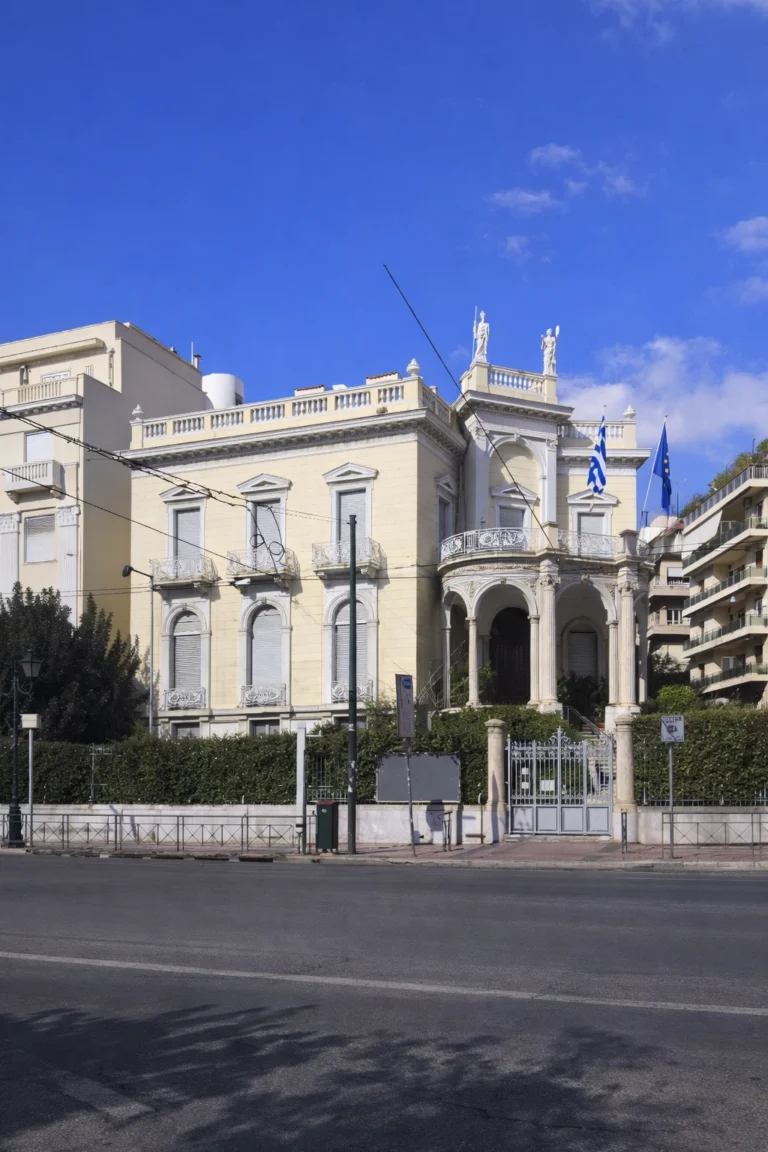
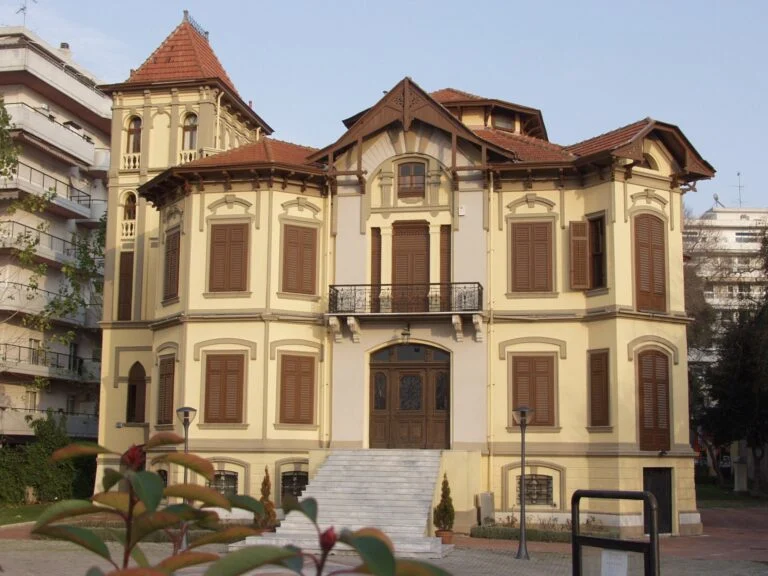
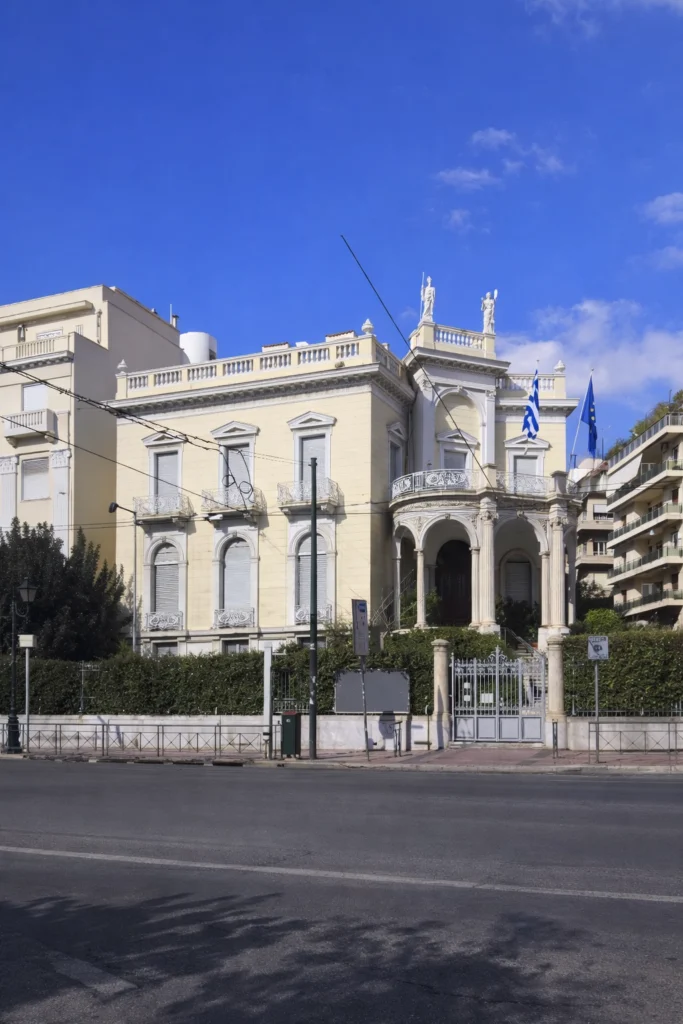
The Museum of Cycladic Art is located in central Athens, near Syntagma Square, making it easily accessible for visitors exploring the city. The institution is spread across multiple buildings, including a neoclassical mansion and a more modern structure, connected internally to create a seamless flow between galleries.
The architectural design plays a crucial role in shaping the visitor experience. Clean lines, neutral tones, and carefully controlled lighting create an atmosphere that emphasizes the objects themselves rather than the surrounding space. The galleries are neither crowded nor overwhelming, allowing visitors to move at a comfortable pace.
Large windows in certain areas provide natural light and occasional views of the city, subtly connecting the ancient artifacts inside with the modern urban environment outside. This contrast reinforces the museum’s central theme: the enduring relevance of early artistic expression.
The layout is intuitive, guiding visitors through different chronological and thematic sections without confusion. Clear signage and thoughtful spatial organization ensure that even first-time visitors can navigate the museum with ease.
Practical Information
The Museum of Cycladic Art is open year-round, with slightly extended hours during peak tourist seasons. Its central location makes it easily reachable by public transport, including metro and bus connections, as well as on foot from many major landmarks in Athens.
Tickets are moderately priced, with reduced admission available for students, seniors, and certain categories of visitors. Combination tickets or cultural passes may also include entry, depending on the season and current arrangements.
Visitors are advised to allow at least one to two hours for a full visit, though those with a deeper interest in ancient art may wish to spend longer exploring the collections in detail. The museum is generally less crowded than larger institutions in Athens, making it a good option for those seeking a quieter and more focused experience.
Facilities include a museum shop offering books and design items inspired by the collection, as well as a café where visitors can pause during or after their visit. Accessibility is well considered, with elevators and step-free access available throughout most of the building.
Why Visit
The Museum of Cycladic Art offers a unique perspective on ancient history, focusing on a culture that is often overshadowed by classical Greece but equally compelling in its artistic achievements. Its carefully curated collections and thoughtful presentation create an experience that is both educational and visually engaging.
For visitors interested in art, design, or archaeology, the museum provides a rare opportunity to see some of the most influential prehistoric objects in a setting that highlights their aesthetic qualities. The simplicity and elegance of the Cycladic figurines, in particular, leave a lasting impression.
Equally, the museum’s manageable size and clear structure make it accessible to a wide audience, from specialists to casual visitors. It is an ideal stop for those looking to explore a different dimension of Greek heritage—one that feels both ancient and unexpectedly modern.
In a city rich with historical sites, the Museum of Cycladic Art stands out for its focus, clarity, and atmosphere. It is not about scale or spectacle, but about the quiet power of form and the enduring human impulse to create.