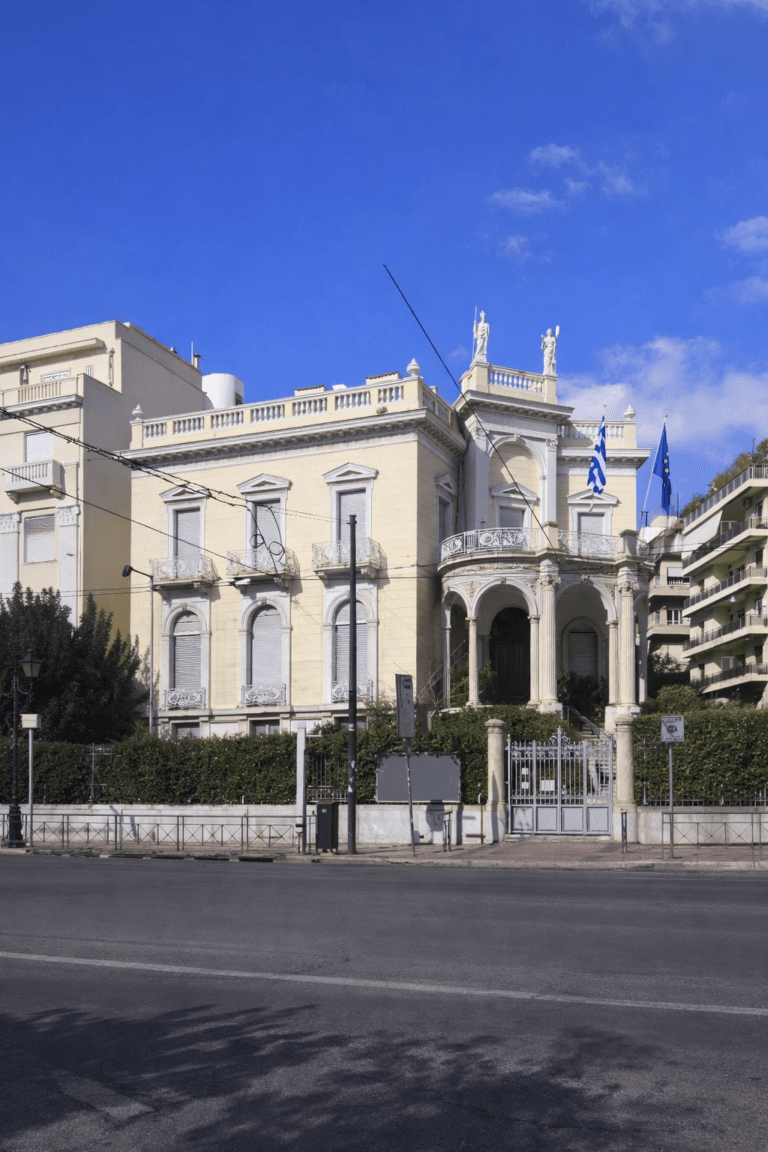
Art Collection of National Bank of Greece Review
The Art Collection of National Bank of Greece is a distinctive institution in Athens, embodying a rich narrative that blends financial.

The Art Collection of National Bank of Greece is a distinctive institution in Athens, embodying a rich narrative that blends financial.
Best forScience, technology, hands-on learning
Review focusExhibits, interpretation, visitor flow
Historical Context
The Art Collection of National Bank of Greece is a distinctive institution in Athens, embodying a rich narrative that blends financial history with the cultural and artistic heritage of Greece. Founded by the National Bank of Greece, an establishment dating back to the 19th century, the collection reflects the bank’s longstanding commitment to supporting the arts. This unique museological approach presents an intriguing intersection of economic history and artistic endeavor, illustrating how philanthropy and national identity intertwine within Greece’s cultural landscape. The collection's formation was motivated by a desire not only to preserve and showcase Greek art but also to underscore the role of the bank in fostering national development. Situated in a country famed for its ancient contributions to art and culture, the bank’s collection adds an important modern and contemporary layer to the artistic narrative of Greece, providing insights into periods often overshadowed by classical antiquities.
What You See on Arrival
Upon approaching the Art Collection of National Bank of Greece, visitors are immediately struck by the understated elegance of the building, situated in the heart of Athens. The bank’s premises lend an air of institutional grandeur without compromising accessibility or warmth. The design is both functional and inviting, with the entrance area providing clear informative points for visitors. Inside, the space is thoughtfully curated to accommodate the various periods and styles represented in the collection. The initial galleries establish a chronological progression, allowing visitors to orient themselves within the broader sweep of Greek art history from the late 19th century through to contemporary times. This transition from entry to exhibition space reflects a careful consideration of flow and narrative, encouraging visitors to engage meaningfully with the artworks on display.
Highlights and Key Exhibitions
The collection shines in its representation of important Greek artists whose works span critical movements and periods. A notable aspect of the museum is its emphasis on artworks from the 19th and 20th centuries, which captures the evolution of national identity and artistic expression through turbulent and transformative eras. Paintings from prominent figures associated with the Munich School highlight the blending of Greek themes with Western styles. The collection also excels in featuring modern and contemporary Greek art, including pieces that explore social, political, and cultural themes relevant to Greece’s recent history. The bank’s dedication to preserving works by pioneering female artists adds an inclusive dimension often missing from national collections.
The Art Collection hosts portfolios of prominent painters, sculptors, and graphic artists, creating a well-rounded overview of Greek visual arts. Although it does not include extensive archaeological artifacts, the focus on modern art represents a distinct and complementary narrative to the more ancient historical collections found elsewhere in Athens. A highlight within the collection is the remarkable curation of works exploring urban Athens and Greek society, providing an evocative glimpse into everyday life and its transformation over time. This thematic coherence is one of the museum’s greatest strengths.
Visitor Experience
The visitor experience at the Art Collection of National Bank of Greece is characterized by a measured and contemplative atmosphere. The galleries are designed to allow for a quiet appreciation of the artworks, enhanced by well-considered lighting and neutral wall tones that do not distract from the art itself. Museum staff are generally knowledgeable and approachable, providing useful context and support upon request. Signage throughout the museum is clear and informative, yet measured in quantity, enabling a self-guided visit that can be tailored to personal interest without overwhelming signage. However, visitors seeking extensive information may find some areas lacking in detailed descriptions or multimedia aids, which could enhance understanding for international audiences or newcomers to Greek art.
The museum’s layout is logical and accessible, though some areas might feel slightly compact due to spatial constraints of the historical building. Seating areas are available but limited, which might pose challenges for visitors requiring regular rest. The absence of an in-house café or dedicated dining area means that visitors planning longer visits or with families should consider refreshments in advance. The collection is well curated, but the relatively modest size means that the tour of artworks can be comprehensive in about two hours, allowing for a deep but not overwhelming museum experience.
Tickets, Access, and Planning
Information regarding tickets is typically straightforward, with reasonable pricing that reflects the institution’s cultural and nonprofit orientation. Discounts are often available for students, seniors, and groups, in keeping with common Greek museum practice. The museum’s hours align with standard daytime visiting times, which will be familiar and convenient for most tourists and locals alike. It is advisable to check the official website or local listings for any holiday closures or exceptional opening times, ensuring a smooth visit.
Access for those with mobility impairments is generally adequate, though not entirely barrier-free due to the age of the building. Some areas may have stairs or limited elevator service, so it is recommended to inquire in advance if accessibility is a key concern. The location in central Athens makes the museum easily reachable by public transport, and it is well placed for integration into a broader tour of Athens’ artistic and historical sites. For visitors interested in comprehensive exploration, timing a visit to coincide with other cultural institutions in the area is advantageous.
Final Verdict
The Art Collection of National Bank of Greece stands as a compelling cultural venue that effectively highlights a significant period of Greek artistic development often overshadowed by the country’s more ancient treasures. Its unique positioning—anchored by a national financial institution—adds a fascinating layer of historical and social context to the artworks on display. While the collection is not vast in scale, it is thoughtfully curated, offering visitors a nuanced glimpse into the artistic currents that shaped modern and contemporary Greece.
For those interested in Greek art beyond the classical, the museum provides valuable insights and a rich visual feast, particularly in its treatment of 19th and 20th-century works. Though improvements could be made in terms of visitor amenities and accessibility, the overall experience is both educational and aesthetically rewarding. The museum’s commitment to showcasing diverse artistic voices, including underrepresented artists, further enhances its cultural relevance.
In conclusion, the Art Collection of National Bank of Greece is a worthwhile destination for art lovers, scholars, and culturally curious travelers wishing to deepen their understanding of Greece’s artistic evolution. It strikes a commendable balance between institutional history and creative expression, enriching Athens’ vibrant cultural tapestry in a meaningful way.